Dartmouth Health CEO discusses leadership and more
According to Joanne Conroy, the role of health systems is 'working together across our region'

According to Joanne Conroy, the role of health systems is 'working together across our region'

The urgent health care provider is charting future growth of about 300 new employees every year for the next 5 years

New paint scheme honors the U.S. Air Force’s 75th birthday and the 400th anniversary of Portsmouth's founding

Rockingham, Strafford, Merrimack and Hillsborough in report’s ‘red zone’ for affordability

Demand remains high as lack of inventory continues to fuel record prices

State ranks 38th in nation, even as affordability remains nettlesome

UNH panel delves into its causes and new career strategies

Other leadership changes made as firm makes way for a ‘new next-generation facility’

Concord developer, hotel operator says he tries ‘my best to find common ground wherever you can’

Location and numbers tell the story behind the state’s highest median sale price

‘Out of date’ zoning rules seen as hindrance to more diversified building mix

Using the walk-in urgent care model, Optima Dermatology to make New Hampshire debut in February

Thoma Bravo to pay $2.6 billion for financial technology firm

‘The business community is going to be affected by this hugely,’ he says

New owner sees ‘tremendous amount of opportunity’ for 500,000-square-foot facility, 170-acre site in Durham

Like building a better mousetrap, Wagz founder built a smart dog collar
All across the country, and in New Hampshire, voters rejected the President’s party by electing historic numbers of Democrats up and down the ballot. This was notable, but there were several unintended consequences.

Voters across New Hampshire sent a clear signal: They are looking for economic change. They are worried about the cost of living, the ability to simply get by and the gap between what hard work promises and what it actually delivers. For business leaders, that signal is a call to action.
After a long and incredibly divisive midterm election cycle, Congress will return to Washington for the final weeks of the 119th Congress, commonly known as the “lame-duck session.” During this final sprint to the end of 2026, many agenda items and critical legislative deadlines loom.

The Great Wealth Transfer is cemented in our lexicon for good reason. Over $100 trillion in total assets is projected to pass between generations within the next 20 years as unprecedentedly large generations approach retirement and legacy planning. Small business succession is particularly consequential; these businesses represent both a significant financial asset and a life’s work.
With the Great Wealth Transfer in full swing, wealth preservation and tax reduction is a hot topic. With more than an estimated $100 trillion anticipated to be passed onto future generations in the next 20 years, proper estate and tax planning can help maximize the wealth being passed on.
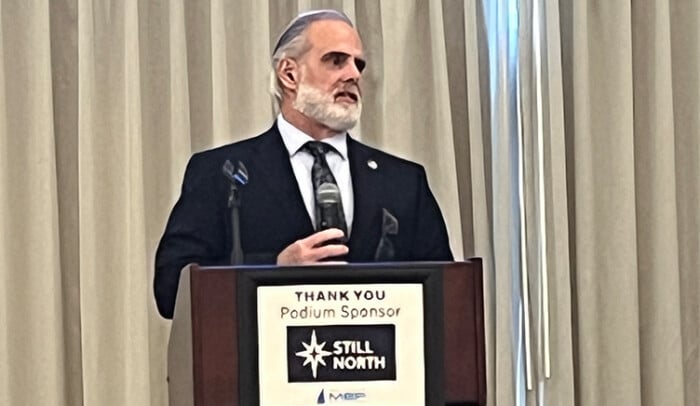
Peter Steele is the New England Regional Administrator of the U.S. Small Business Administration (SBA) serving Connecticut, Maine, Massachusetts, New Hampshire, Rhode Island and Vermont

Receiving an unsolicited inquiry from a potential buyer can feel validating. After years of building a company, someone is expressing interest in acquiring what you have created.

What a family business looks like today may be very different from what it looks like 20 or 30 years from now, but the entrepreneurial spirit behind it will remain.

Most business owners I meet have spent decades building something that matters to them, their employees and their community.