Q&A with SBA New England Regional Administrator Peter Steele
Peter Steele is the New England Regional Administrator of the U.S. Small Business Administration (SBA) serving Connecticut, Maine, Massachusetts, New Hampshire, Rhode Island and Vermont
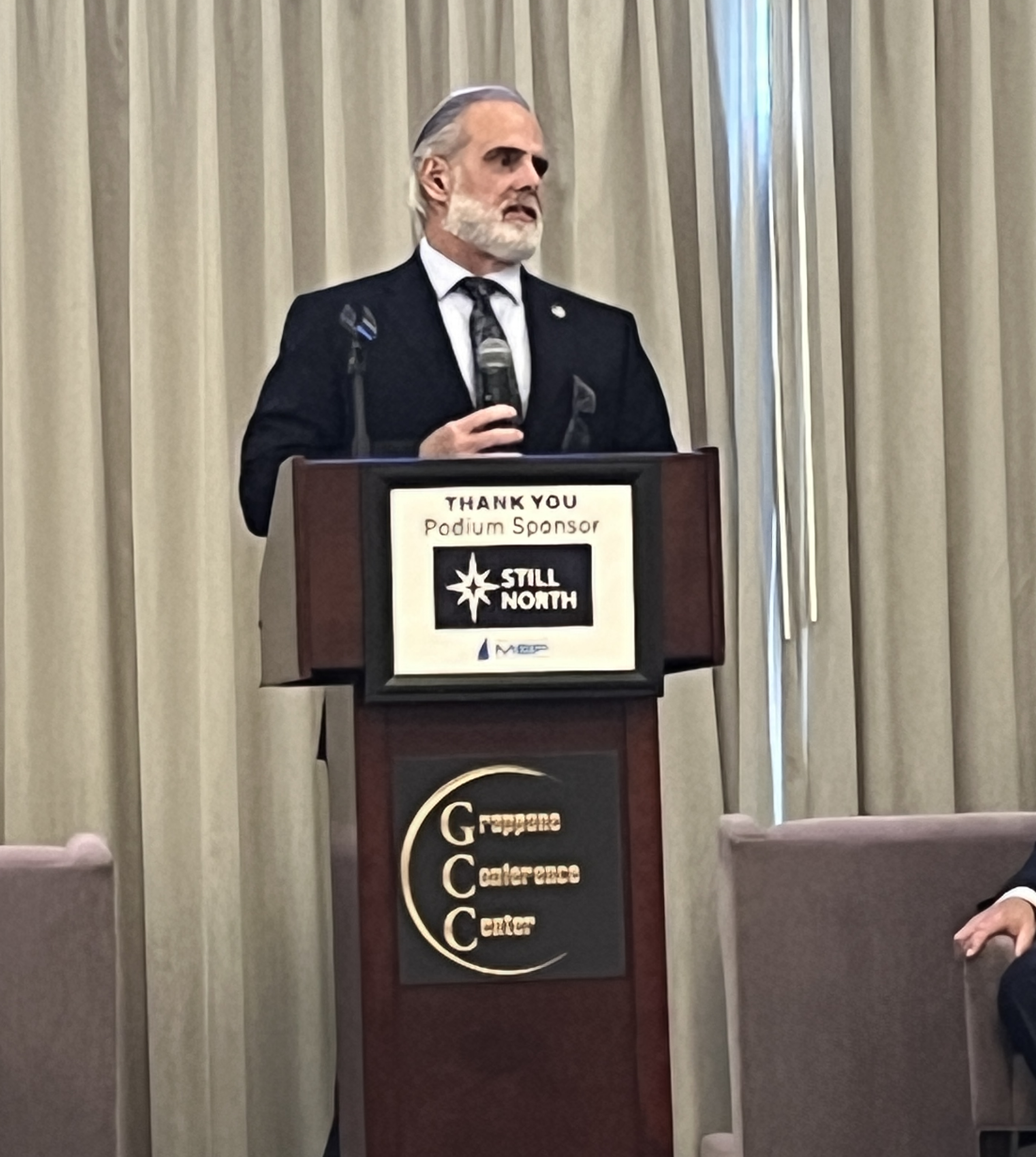
Peter Steele, New England regional administrator of the U.S. Small Business Administration, speaks Oct. 9 at the NH Manufacturing Extension Partnership’s Advanced Manufacturing and High Technology Summit in Concord. (Photo by Mike Cote)
Peter Steele is the New England Regional Administrator of the U.S. Small Business Administration (SBA) serving Connecticut, Maine, Massachusetts, New Hampshire, Rhode Island and Vermont. In an interview with NH Business Review, Steele discussed the current lending environment and its impact on New Hampshire small businesses.
Q. How have recent changes in SBA lending regulations reshaped the SBA lending environment?
A. Over the past year, under the leadership of SBA Administrator Kelly Loeffler, the SBA has executed a profound shift toward regulatory simplification, credit modernization and American-first economic resilience. Rather than burdening the market with complex bureaucratic hurdles, our agency has aggressively cut red tape to realign federal small-business frameworks with the realities of the modern economy.
A primary driver of this transformation has been our comprehensive “Made in America” manufacturing push. This year, the SBA completely waived loan fees for companies with manufacturing NAICS codes, launched the first-ever loan program dedicated exclusively to American manufacturers and introduced a landmark 90% Made in America Loan Guarantee for small manufacturing companies.
Q. What impact have regulatory changes had on commercial lenders?
A. By standardizing industry classifications and deploying streamlined, asset-based lending tracks, like our active 7(a) Working Capital Pilot (WCP) Program, we have provided financial institutions with greater structural clarity.
The WCP allows our lending partners to support small businesses through flexible, fee-waived credit facilities that smoothly handle cyclical inventory spikes and raw material procurement without forcing banks to navigate complex, outdated federal lending protocols. The primary transition for lenders has simply been scaling up their capacity to handle the unprecedented surge in commercial loan demand across our territory.
Furthermore, the SBA has just implemented the most significant upgrade for lenders in more than 20 years: the Intelligent Capital Access Platform (iCAP).
Q. What is iCAP, exactly, and what benefits does it provide lenders?
A. iCAP is SBA’s new loan origination system that replaces the decades-old E-Tran workflow system. More than 250 lenders have already processed over 1,000 7(a) loans through the iCAP pilot, and SBA plans to bring on more lenders through year-end. All lenders will use this modern, easy-to-use and paperless platform by early next year.
Among the benefits for lenders using the new iCAP platform:
• Eligibility and fraud checks happen earlier, so lenders learn sooner whether a deal qualifies and spend less time on files that won’t close.
• The platform uses AI to support better decisioning, and SBA plans to bring all of its loan products onto it. SBA will soon add 504 lending and loan servicing to iCAP.
• Since Oct. 1, loan sales on the secondary market now run through one electronic workflow. It connects lenders, investors and SBA’s Fiscal Transfer Agent, pulls loan data in automatically and uses e-signatures. Faster sales free up money that lenders can lend again.
Q. What can business owners do to best position themselves to be approved for an SBA loan?
A. The absolute best step any New Hampshire entrepreneur can take is to actively engage with our extensive local resource partner networks early in their growth cycles. Business owners should connect directly with the New Hampshire Small Business Development Center (SBDC) and local SCORE mentoring chapters, as well as our regional Veterans Business Outreach Center, which serves all of New England.
By working one-on-one with these certified counselors, local business owners can sharpen and refine their business models, perfect their financial statements and then evaluate which specialized capital track — whether it is a traditional 7(a) loan, a 504 real estate facility or a Working Capital Pilot line — best matches their operational trajectory.
Our excellent team in SBA’s New Hampshire District Office, based in Concord, stands fully ready to help local entrepreneurs navigate these newly expanded funding programs, cut through local hurdles and unlock their full-growth potential.
‘The absolute best step any New Hampshire entrepreneur can take is to actively engage with our extensive local resource partner networks early in their growth cycles.’
Peter Steele is the New England Regional Administrator of the U.S. Small Business Administration (SBA) serving Connecticut, Maine, Massachusetts, New Hampshire, Rhode Island and Vermont

Col. Rob Campbell has 27 years of experience leading organizations ranging in size from 24 to 5,000 people.

Robert Tourigny has been leading NeighborWorks Southern New Hampshire for more than 20 years, but he’s still chasing the big ones.

Don Gregori’s journey to become chief operating officer for a multinational technology company began with earning a liberal arts degree.
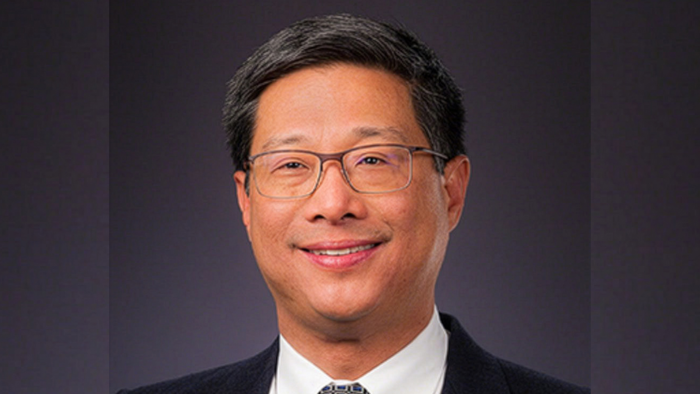
Since 2022, Ken Woo has been the president of Marmon Utility, an advanced manufacturing firm based in Milford that produces polymer insulators and underground cables, including the Hendrix and Kerite brands, for the electric utility industry.

Kyle Moschen, a senior media relations manager at Weber Shandwick based in Seattle, was this year’s commencement speaker at Nashua Community College.

A company whose products are essential to manufacturing and food production worldwide is headquartered in a former Walmart building in Bedford, New Hampshire.
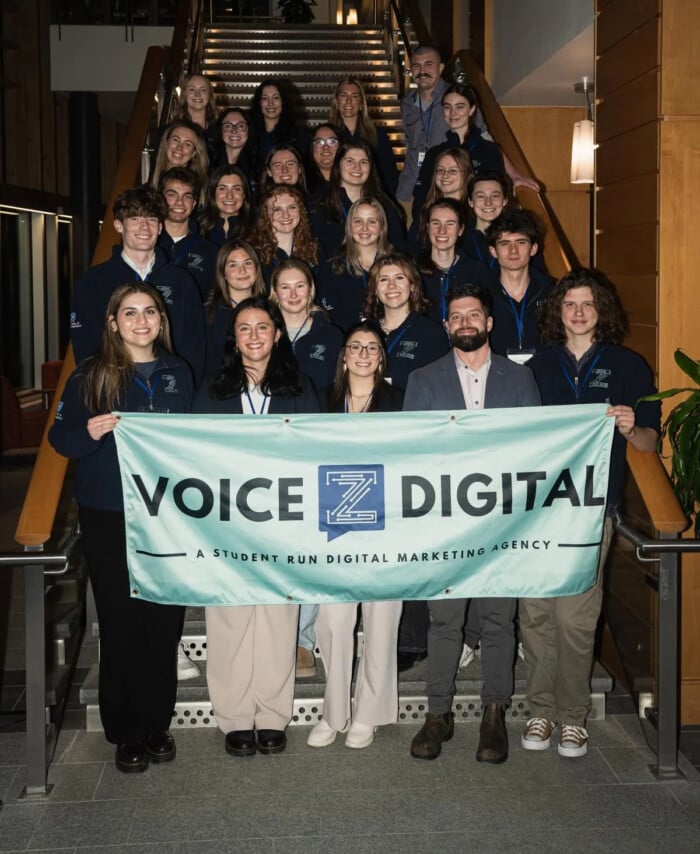
Voice Z Digital, a digital marketing agency run by students at the University of New Hampshire, recently celebrated working with its 100th client.
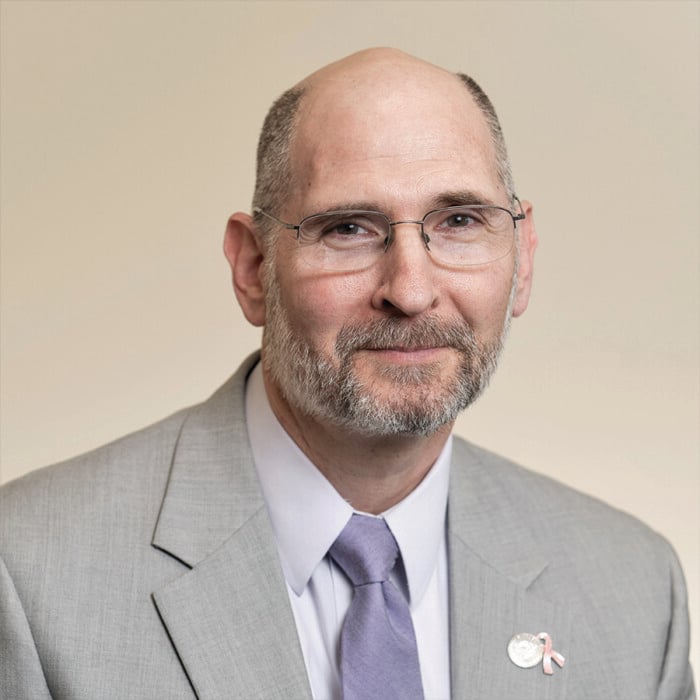
Rubinstein, who has served as the chancellor of the Community College System of New Hampshire since 2021, announced his plan to retire before the start of the 2026-27 academic year, capping a career in education that spans more than four decades.