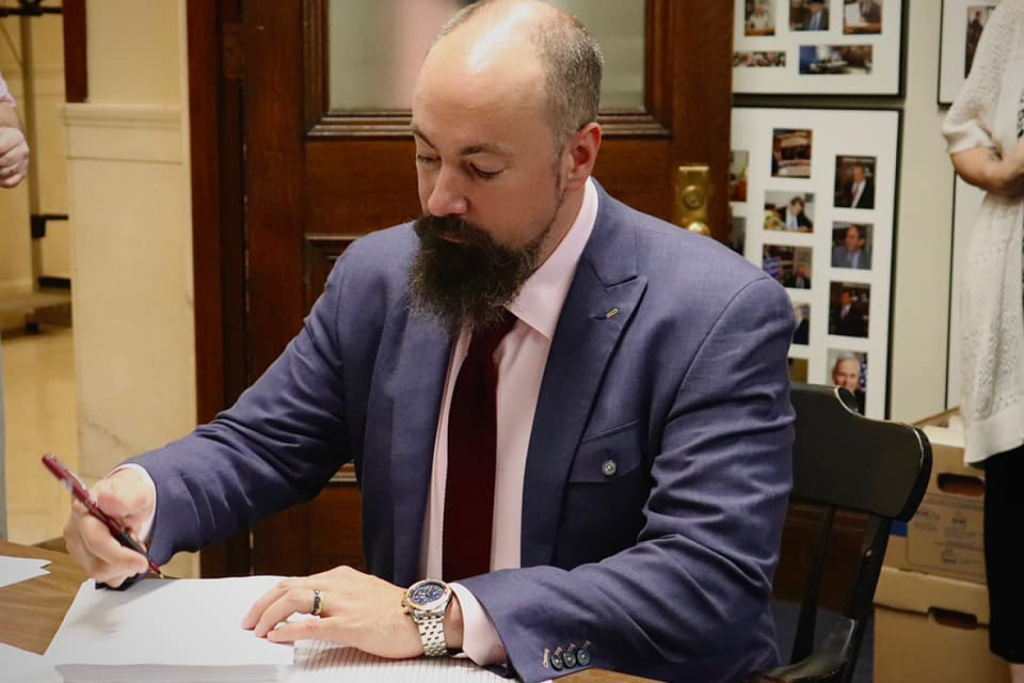
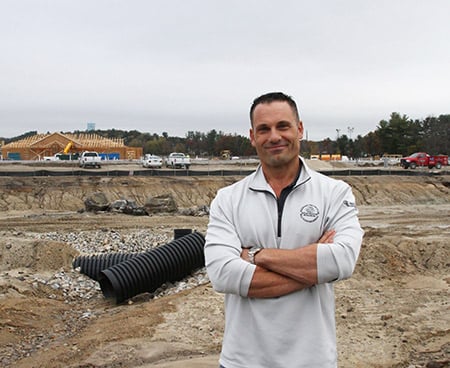
Q&A with Executive director of NeighborWorks Southern New Hampshire Robert Tourigny
Robert Tourigny has been leading NeighborWorks Southern New Hampshire for more than 20 years, but he’s still chasing the big ones.
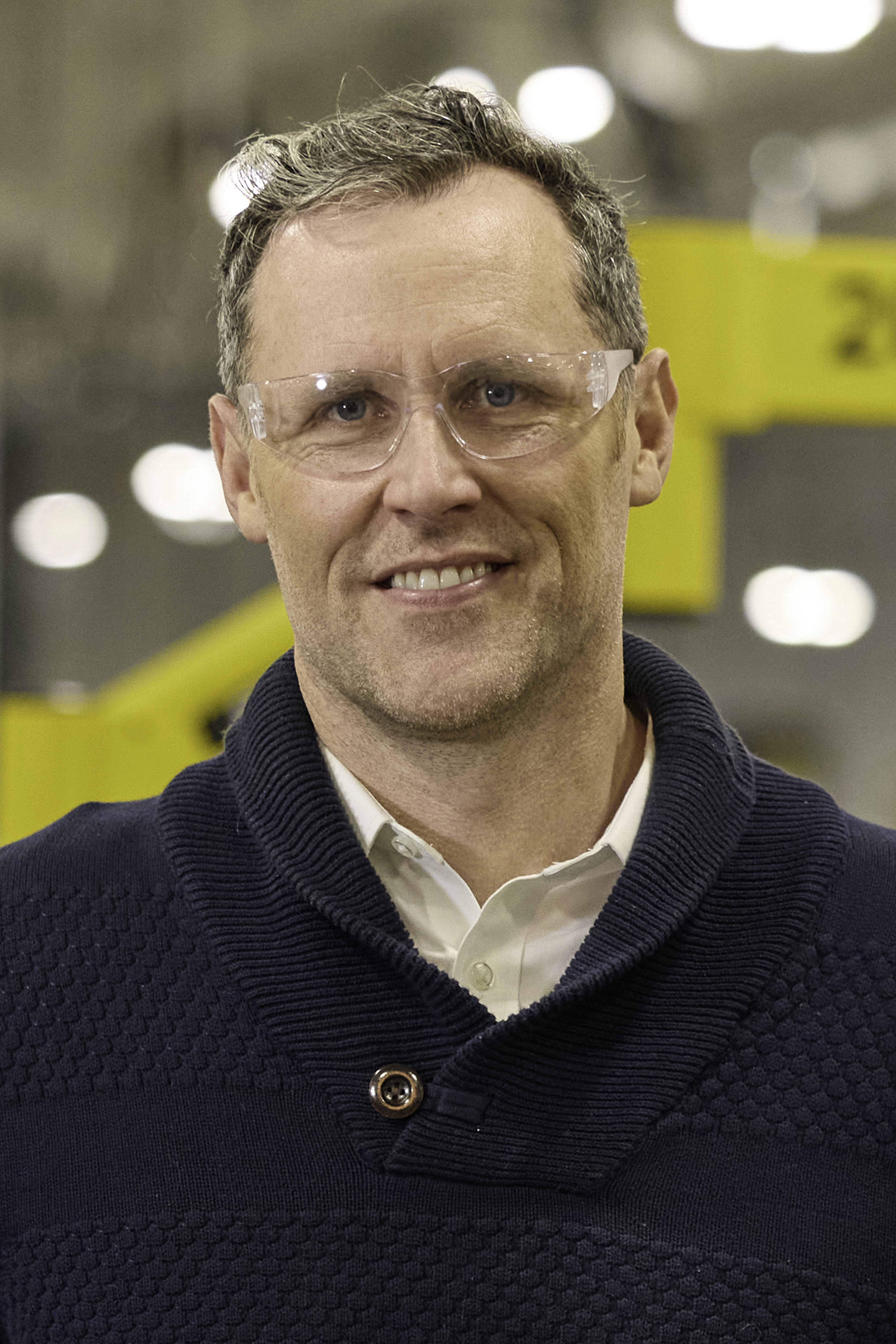
‘Almost everything that you touch in today’s world has been on a conveyor belt at one point or another,’ says Wire Belt CEO Jonathan Greer.
A company whose products are essential to manufacturing and food production worldwide is headquartered in a former Walmart building in Bedford, New Hampshire.
Wire Belt’s metal conveyor belts are used for industrial manufacturing including food production, textiles, electronics, agriculture and automotive applications. The company also operates locations in England and Germany.
“I’m happy to be the fifth generation of a family-run business,” CEO Jonathan Greer told 75 business and government leaders during a recent Made in New Hampshire event the company hosted.
Wire Belt was originally a division of J.W. Greer Company, a business founded in 1919 that made automated confectionary and bakery equipment. It spun off as a separate company in 1947. The company employs about 120 people in New Hampshire.
Jonathan Greer spent a couple of years on the West Coast trying to make the Olympic rowing team before pursuing an MBA. He decided to return to his roots and join the family company, seeing the potential to make a positive impact on the world, he said during an interview for NH Business Review’s “Down to Business” podcast.
“Almost everything that you touch in today’s world has been on a conveyor belt at one point or another,” Greer said.
Wire Belt helped jump start the production of Girl Scout cookies and Thomas English Muffins, Greer said. The company also has had a major role in industrial and aerospace applications.
“Our belts have moved spent uranium rods. They’ve helped moved parts for space shuttles, just a wide variety of products,” he said. “Whenever you’re moving from batch processing to continuous flow, you’re going to move on to a conveyor belt, and we’re a piece of that world.”
This article was adapted from the podcast. Listen to the entire conversation at nhbr.com or on your favorite audio streaming service.
Q. When you’re working with these different avenues from food to those more higher end applications, how do you scale that? What is the difference in how you approach those products?
A. We work with the customers to figure out what’s going to work for them. … We have a variety of different belt styles that we offer, and some are going to be heavier duty and more catered to heavier-duty applications. Sometimes there’s magnetic factors that play into the belts that get used, but it really varies customer by customer.
Q. As a global company, how is the current climate affecting what you do? Tariffs, inflation, different exchange rates.
A. The tariffs have definitely had an impact on multiple locations and our ability to serve Canada and Mexico. It’s a little more challenging sometimes to get them the products to maintain some of the relationships that we’ve had for a long time.
I think we’re doing a great job managing that. We’ve talked about leaning on our European locations to help support some of those.
Q. During the Made in New Hampshire event, you made a point that you didn’t think you’d grow up to be CEO of Wire Belt.
A. When I graduated from college … and even before that, Wire Belt was not at the top of my list for what I wanted to pursue with my life. But fast forwarding to an MBA and doing a little bit of time doing some consulting work … my perspective changed, and I recognized it as a vehicle to positively impact a lot of people and to build something over time.
Q. How can the Made in New Hampshire campaign the state launched help Wire Belt?
A. I spent a good chunk of my adult life on the West Coast, and coming back to New Hampshire, I’m constantly impressed by how accessible people are. At that event, I mentioned that, at our ribbon-cutting, we were able to have the governor come to our place, which was fantastic. I got Gov. Sununu’s phone number at the end where he just offered that to me. … I wound up with another governor’s (Kelly Ayotte’s) phone number after (the Made in New Hampshire event). There’s just tremendous support all around.
Q. You have an internship program at the company. Can you share a little bit more about your idea on the importance of helping cultivate the future workforce?
A. Our England location does an absolutely phenomenal job with this. It’s a little bit more integrated into their educational system where it’s kind of required. They bring on a bunch of interns every year, and they’ve done a fantastic job with that. That’s a really critical part of the way that they’re structured. We’re trying to do more of that in the U.S. as well.
Q. What kind of skill sets do young workers need at Wire Belt? What are the types of jobs that you’re trying to fill?
A. We really do everything. We do marketing, we have HR, we have sales, we have engineering, and then we have machinists on the floor. We’ve got maintenance folks and shipping. In manufacturing, you have a little bit of everything, so we end up having a need for all of those pieces.
Robert Tourigny has been leading NeighborWorks Southern New Hampshire for more than 20 years, but he’s still chasing the big ones.

Don Gregori’s journey to become chief operating officer for a multinational technology company began with earning a liberal arts degree.
Since 2022, Ken Woo has been the president of Marmon Utility, an advanced manufacturing firm based in Milford that produces polymer insulators and underground cables, including the Hendrix and Kerite brands, for the electric utility industry.
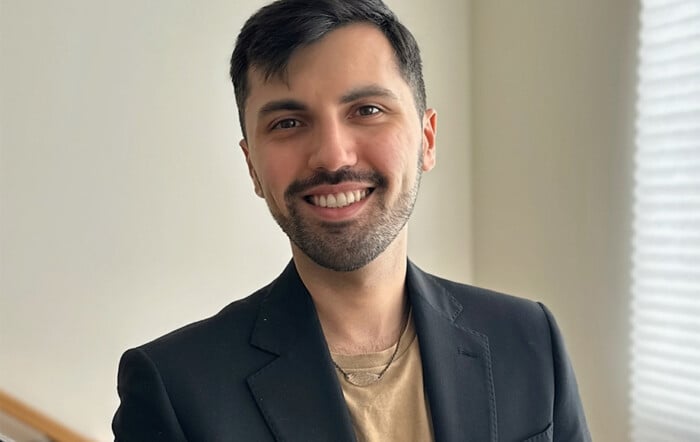
Kyle Moschen, a senior media relations manager at Weber Shandwick based in Seattle, was this year’s commencement speaker at Nashua Community College.
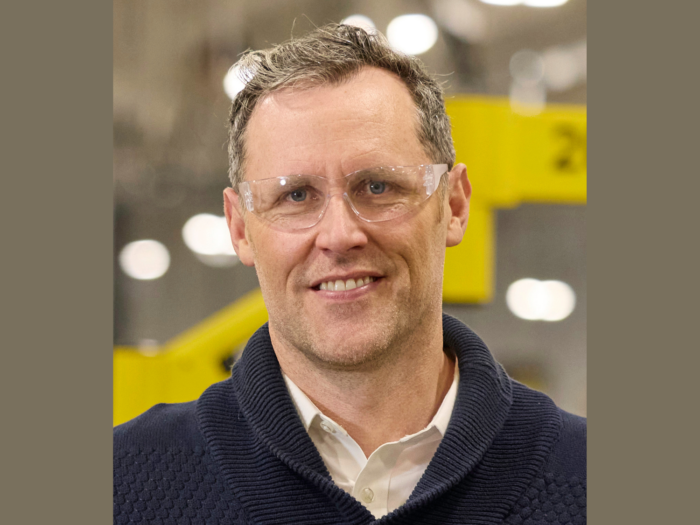
A company whose products are essential to manufacturing and food production worldwide is headquartered in a former Walmart building in Bedford, New Hampshire.
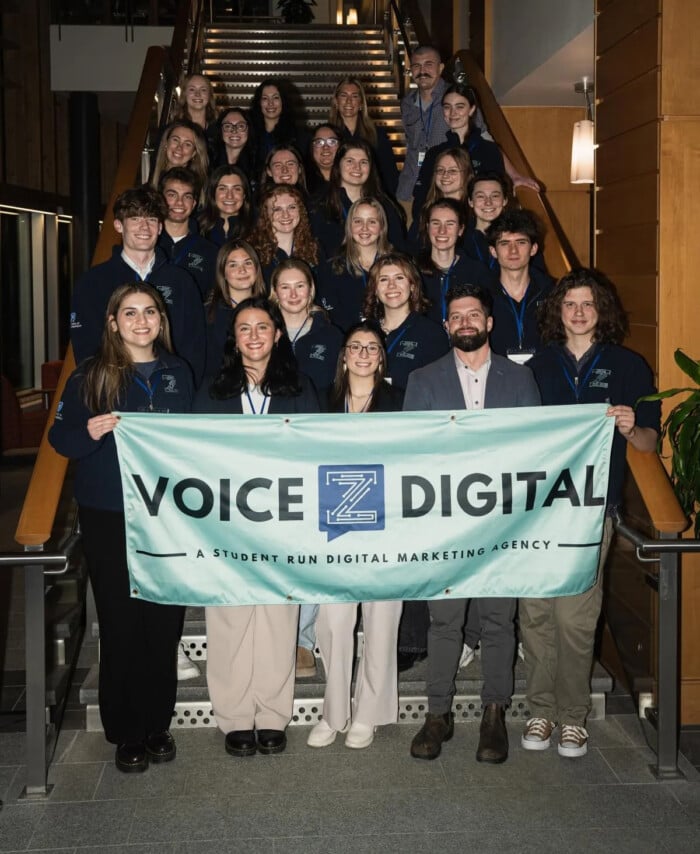
Voice Z Digital, a digital marketing agency run by students at the University of New Hampshire, recently celebrated working with its 100th client.
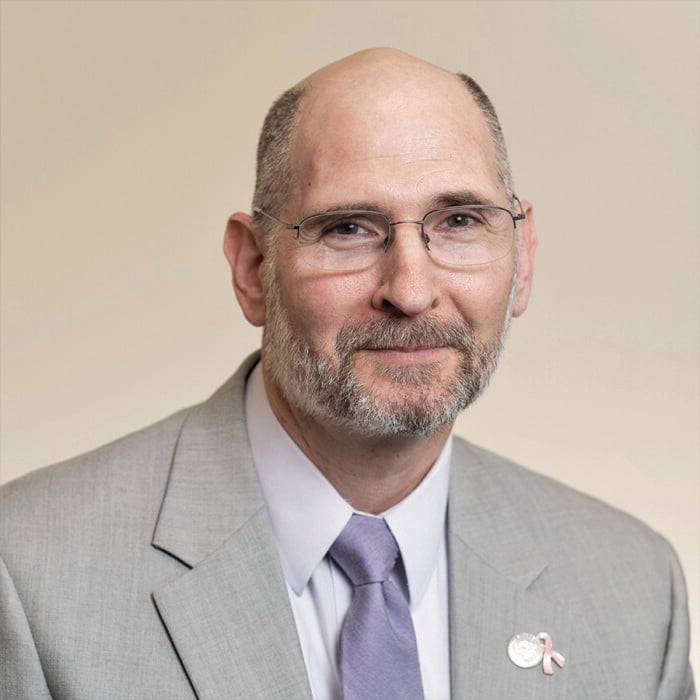
Rubinstein, who has served as the chancellor of the Community College System of New Hampshire since 2021, announced his plan to retire before the start of the 2026-27 academic year, capping a career in education that spans more than four decades.
Eastern Bank entered the New Hampshire market in 2015, when it acquired Centrix Bank in Bedford. The Boston-based bank operates seven branches in New Hampshire and more than 125 in its overall footprint in eastern Massachusetts and Rhode Island.
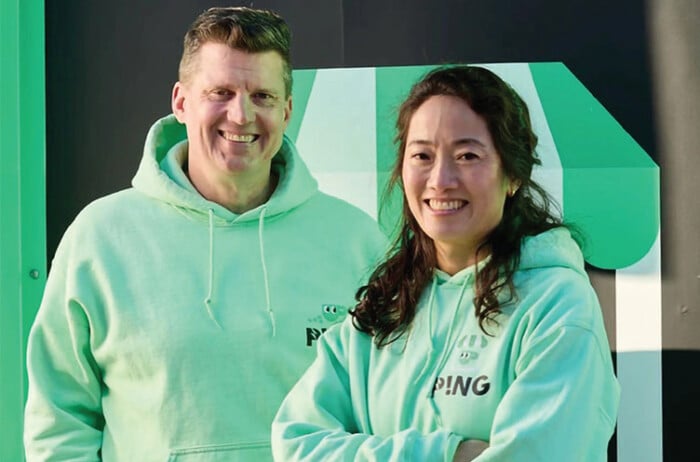
Rob Whitten and Jane Lo want to speed up that line of cars that snakes around a coffee shop. With P!ng, they’re updating the traditional drive-thru model by replacing human servers with robotic automation and moving orders from speaker boxes to smartphone apps.