Q&A with Executive director of NeighborWorks Southern New Hampshire Robert Tourigny
Robert Tourigny has been leading NeighborWorks Southern New Hampshire for more than 20 years, but he’s still chasing the big ones.

‘Customers invest in us because they feel the pain every day. Whereas some (venture capitalists) we talk to, they’re like, is this really a problem? They have assistants or they have their fancy espresso machine at home,” says Jane Lo, pictured with Rob Whitten, co-founders of p!ng, an automated coffee drive-thru concept now being tested in Hudson, NH. (Courtesy)
Rob Whitten and Jane Lo want to speed up that line of cars that snakes around a coffee shop.
With P!ng, they’re updating the traditional drive-thru model by replacing human servers with robotic automation and moving orders from speaker boxes to smartphone apps.
The co-founders, who met while working at SharkNinja, are testing the concept with a drive-thru pod in Hudson, NH. They envision the pods being deployed in underserved locations.
The company has raised about $650,000 from venture capital firms and is closing in on $500,000 in crowd funding to further develop the concept and move into production.
“Ultimately, we want to raise about $3 million to $5 million in order to get to that hub-and-spoke model,” Lo says. “That is really important to test for (the) operations perspective.”
Among the features they’ve developed is a vision system that measures the height of a customer’s car window as they drive up, making it easier for them to reach their coffee.
Whitton and Lo recently appeared as guests on the “Down to Business” podcast. Listen to the full interview from which this story was adapted at nhbr.com or on your favorite audio-streaming platform.
Q. What is p!ng and how does it work?
Rob Whitten: P!ng is the smoothest drive-thru experience that we can possibly make. The whole thing started three years ago. I had three teenagers in high school, all daughters, and they made me go through a bunch of drive-thrus after every soccer and basketball game. I have Joe Pesci-level luck in the drive-thru. It’s a coin flip whether or not I get something remotely close to what I ordered.
You could argue this is a nerdy dad’s revenge for bad fast food, because one day I was complaining about it, and Jane said, “You know, between your robotics and food background, and my customer experience background, we could totally fix this.”
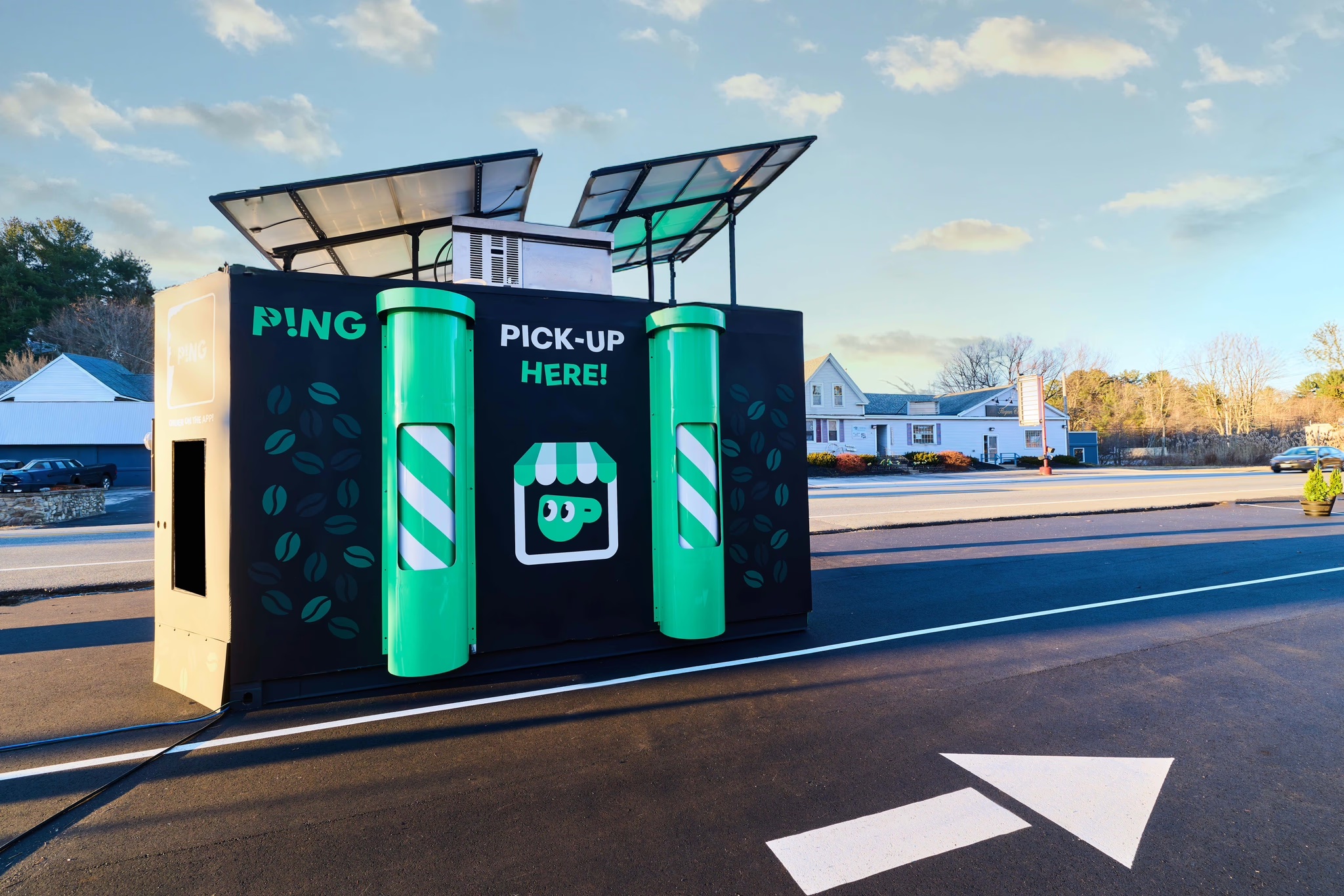
When we put the vision together, we wanted the super smooth and convenient experience. And that’s what it is: You order on the app, you drive to any pod anytime 24/7, grab your order and go. There’s no scanning, no waiting and no tipping, because robots don’t need tips.
Q. Whenever we see a long line snaking around Starbucks or Dunkin’, we wonder about how long some people will wait. There’s money not being made because it’s taking so long.
Jane Lo: It’s called “line bulk.” It’s when people see a long line, and they’re like, “forget about it,” and they leave. It’s about 30%. That’s a huge chunk of the whole coffee shop industry. We think we’re tackling a bunch of consumers that aren’t getting their speed and convenience needs met.
We’ve also looked into other research, like Scooter’s Coffee, a chain more out West and in the South. Their drive-thrus have very small footprints, very similar to what we are trying to achieve. They said that, any time you can shave off one second of drive-thru wait time, that equates to about $3,000 in additional annual sales.
Today, drive-thru lines are about 4.5 minutes of wait time. We’re not even talking about peak, which is during the commute or the afternoon rush, when it can stretch out to 15, 30 minutes. Any time that we can shave off of it is a win for us. We want that to be less than a minute from when you get on site to pick up to leaving.
We have a vision system that measures the height of your window as you drive up. Then we adjust that tray to the right. We were trying to solve for the ATM reach problem — where I’ve gone through drive-thru ATMs and am half out the window trying to get my money.
We found that people are so good at getting their own coffee when it’s presented at the right height that we’ve never had a drink spilled, and we’ve served thousands of drinks at this point.
Q. What also have you learned with this first kiosk?
Whitten: When we started this whole thing three years ago, we were somewhat naive as new entrepreneurs. We went out with a pitch deck and a dream, and we tried to pitch all these VCs, and we’d pitch anybody that would listen. For example, we learned that we shouldn’t go to VCs that don’t invest in hardware.
After six months, Jane was like, “This isn’t working. We need to show people. We need a proof of concept.”
We bootstrapped a pilot to get some feedback. We built the app, and we built the sensors into this trailer. But Jane and I were inside making the drinks really fast and pushing all the buttons. You know, don’t look behind the curtain? We learned a ton then, just talking to all the customers, and we could hear them through the window, hear all their reactions, which are amazing.
What we really wanted to do was make a very convenient app experience, because you order the same thing like 80% of the time, 83% of the time.
The last time I tried to order my latte from a Starbucks, it took me 13 clicks. For us, it’s two clicks. Things are all part of that experience and all come together to make it super smooth — in and out.
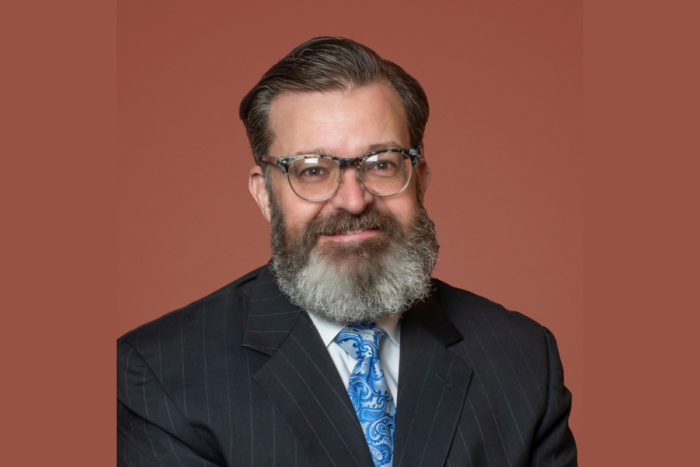
Robert Tourigny has been leading NeighborWorks Southern New Hampshire for more than 20 years, but he’s still chasing the big ones.

Don Gregori’s journey to become chief operating officer for a multinational technology company began with earning a liberal arts degree.
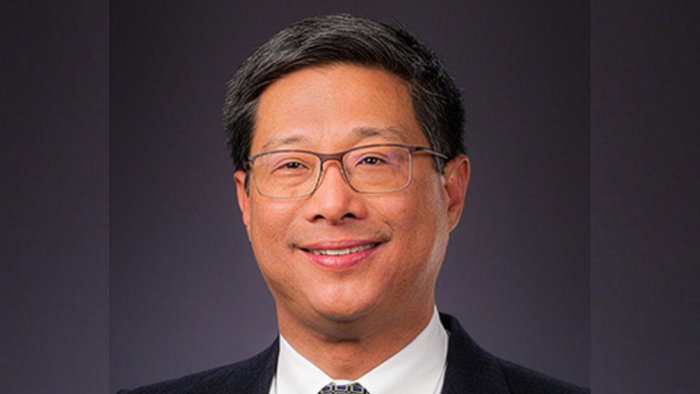
Since 2022, Ken Woo has been the president of Marmon Utility, an advanced manufacturing firm based in Milford that produces polymer insulators and underground cables, including the Hendrix and Kerite brands, for the electric utility industry.
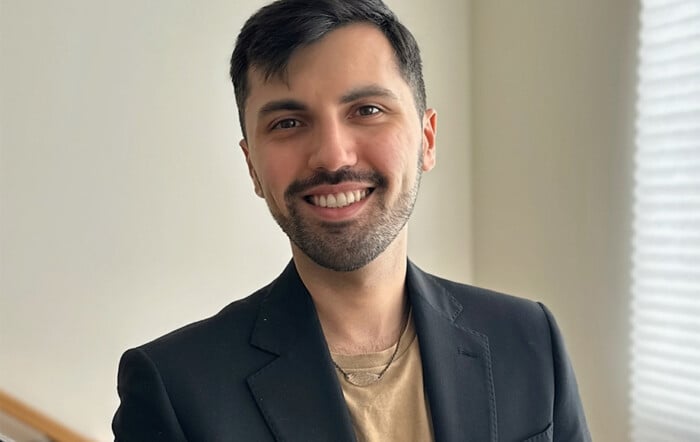
Kyle Moschen, a senior media relations manager at Weber Shandwick based in Seattle, was this year’s commencement speaker at Nashua Community College.
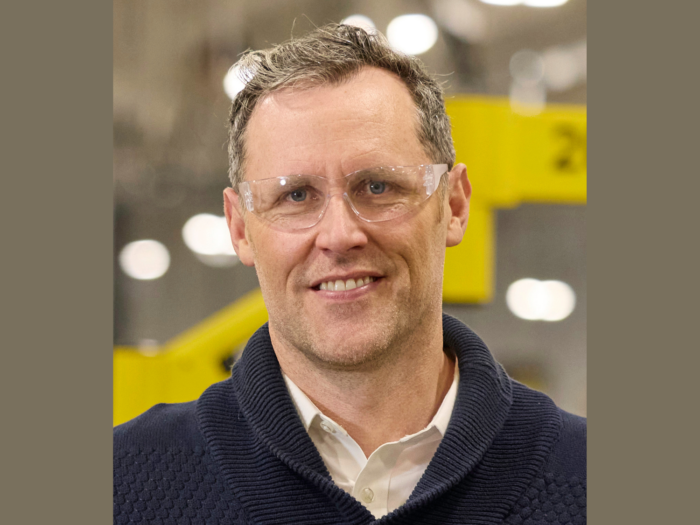
A company whose products are essential to manufacturing and food production worldwide is headquartered in a former Walmart building in Bedford, New Hampshire.
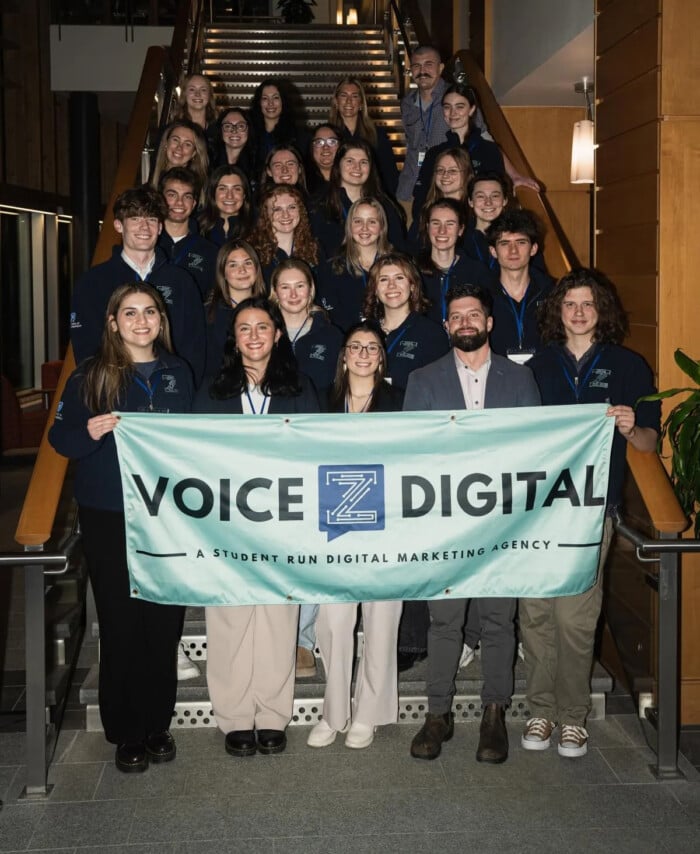
Voice Z Digital, a digital marketing agency run by students at the University of New Hampshire, recently celebrated working with its 100th client.
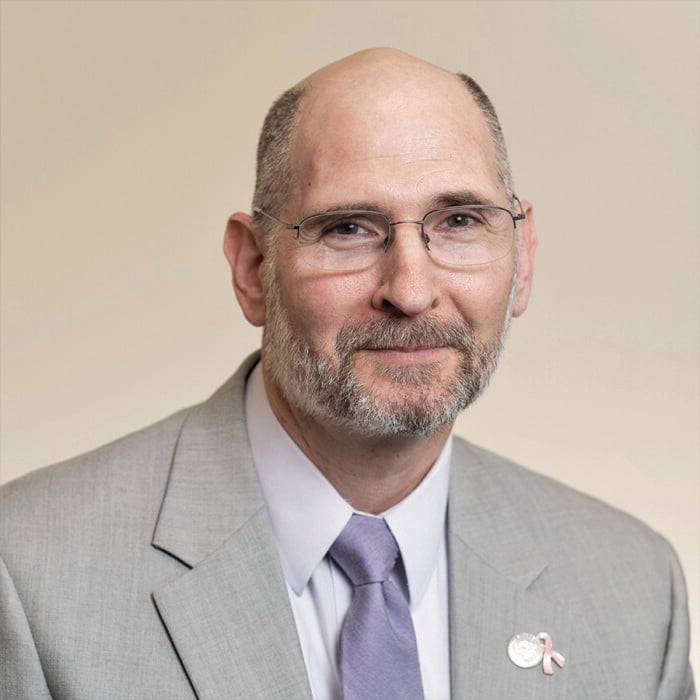
Rubinstein, who has served as the chancellor of the Community College System of New Hampshire since 2021, announced his plan to retire before the start of the 2026-27 academic year, capping a career in education that spans more than four decades.

Eastern Bank entered the New Hampshire market in 2015, when it acquired Centrix Bank in Bedford. The Boston-based bank operates seven branches in New Hampshire and more than 125 in its overall footprint in eastern Massachusetts and Rhode Island.
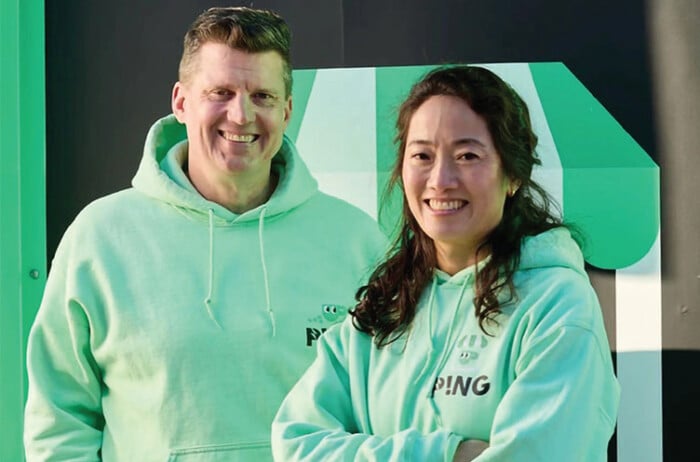
Rob Whitten and Jane Lo want to speed up that line of cars that snakes around a coffee shop. With P!ng, they’re updating the traditional drive-thru model by replacing human servers with robotic automation and moving orders from speaker boxes to smartphone apps.