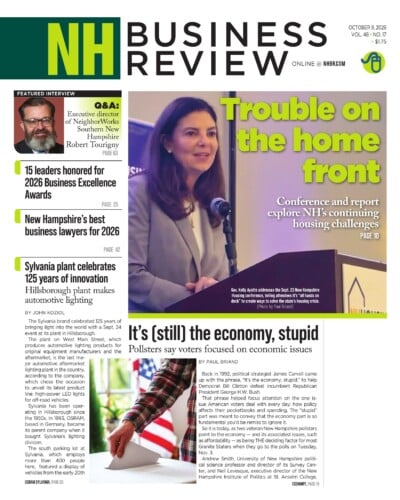
Q&A with Executive director of NeighborWorks Southern New Hampshire Robert Tourigny
Robert Tourigny has been leading NeighborWorks Southern New Hampshire for more than 20 years, but he’s still chasing the big ones.
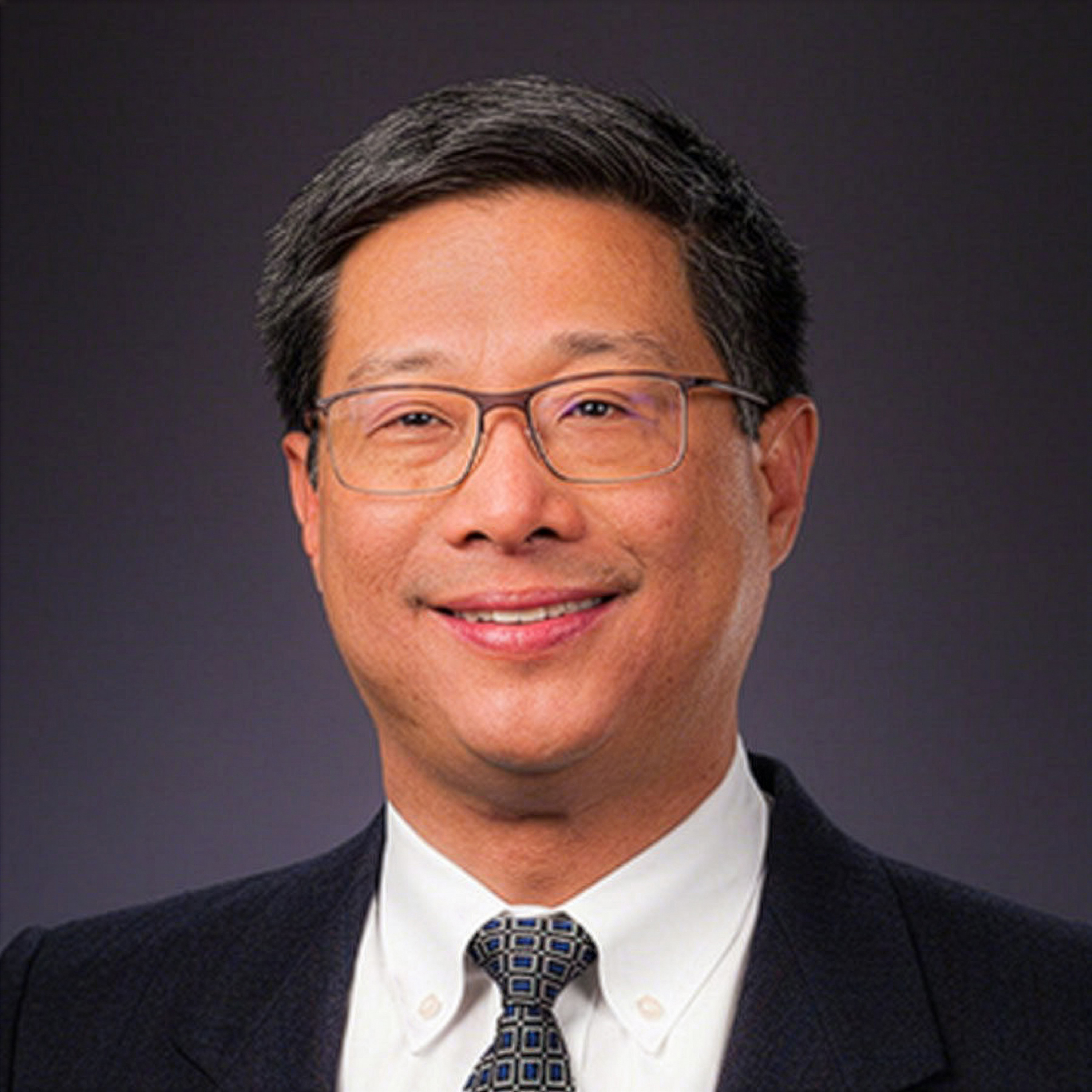
‘Resiliency within the grid is top priority at this point, and that’s what we strive to support with our U.S.-based manufacturing,’ says Ken Woo, president of Marmon Utility.
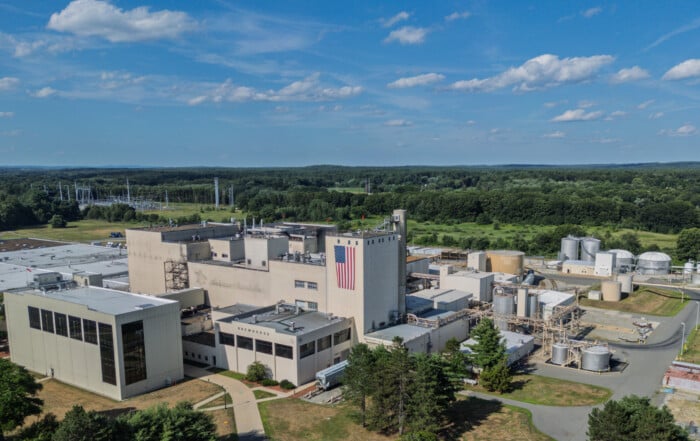
Since 2022, Ken Woo has been the president of Marmon Utility, an advanced manufacturing firm based in Milford that produces polymer insulators and underground cables, including the Hendrix and Kerite brands, for the electric utility industry. Marmon Utility, part of the Berkshire Hathaway portfolio, also provides support for site assessment and system design through product selection, procurement, installation, training, as well as field support and final inspection. Ken Woo initially joined the company in 2010, progressing through previous roles such as VP and GM of overhead solutions, with a background that spans engineering; product development, management and sales; to marketing and business leadership. Woo recently appeared as a guest on the “Down to Business” podcast from which this story was adapted. Listen to the interview at nhbr.com or on your favorite streaming service.
What has enabled the business to remain successful?
A. We are very proud of our history. Founded by Bill Hendrix 75 years ago, we’ve remained relevant by continually listening to our utility customers and developing practical solutions for the ever-evolving challenges in the electrical grid.
Consistent electric supply is critical to all of our lives as well as our businesses, too. But our true longevity is grounded in engineering innovation, the skilled employees we have to execute on that, our U.S.-based manufacturing philosophy and really a lot of our long-term utility partnerships that extend from design through installation and operation.
Unbeknownst to a lot of people, the electric utility industry is quite fragmented in the United States. There’s over 3,000 utilities that service all 50 states and quite a few more in Canada as well. So early engagement is the key.
The longevity has provided us with really consistent and personal partnerships that continue into the field. All the services that we offer, the technical expertise, the brand recognition, the quality products that we offer, engineering system design, the development piece, and also the preparation and procurement planning all help to support the electric grid and communities around North America.
What is driving the increased demand for domestically manufactured electric grid infrastructure?
A. There’s an old joke in our industry that if Thomas Edison woke up today and looked up at the electrical power system, it’d be no different than it was when he was alive over 100 years ago. And there’s a lot of truth to that.
There’s a lot of electric grid infrastructure modernization happening. And we are so dependent on electrical and electronic devices and things like that.
But U.S.-based manufacturing gives our utility partners greater supply chain confidence. Even though it’s a global economy today, there’s also a lot of geopolitical things happening.
Our engineering and technical support makes us closer to our customers, really understanding what their true needs are. And the resiliency within the grid is top priority at this point, and that’s what we strive to support with our U.S.-based manufacturing.
What kind of impact does advanced manufacturing have on New Hampshire’s economy?
A. We employ about 200 people today in New Hampshire at all levels and skill sets.
Many of our products are manufactured in New Hampshire. We do have one facility in Seymour, Connecticut. And our products benefit our direct customers like Eversource, Liberty Utilities, Unitil and New Hampshire Electric Co-op. These are the four utilities that serve 100% of the New Hampshire electric customers.
Whether it’s residential customers like yourself and myself, businesses, industrial facilities, those customers are supported by Marmon Utility.
Advanced manufacturing creates skilled careers across production, engineering and across the entire organization.
How is Marmon Utility investing in its future growth?
A. With the growth of reliability and additional power required in the electrical grid in the U.S. and North America, we are pushing capacity at all three of our facilities.
We run three shifts, five or seven days a week, in all three of our facilities. So, we’re continually investing in additional capacity, machinery, technology and automation to improve our manufacturing efficiency at all three of our facilities.
Equally important is our investment in the people, developing the technical and operational leadership capabilities that we really need to support this increased demand.

Robert Tourigny has been leading NeighborWorks Southern New Hampshire for more than 20 years, but he’s still chasing the big ones.

Don Gregori’s journey to become chief operating officer for a multinational technology company began with earning a liberal arts degree.
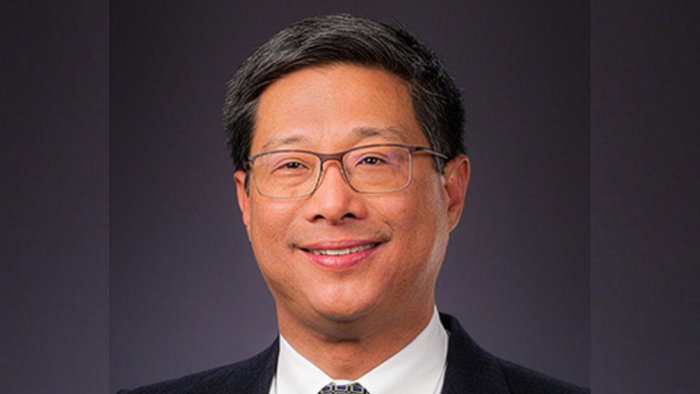
Since 2022, Ken Woo has been the president of Marmon Utility, an advanced manufacturing firm based in Milford that produces polymer insulators and underground cables, including the Hendrix and Kerite brands, for the electric utility industry.

Kyle Moschen, a senior media relations manager at Weber Shandwick based in Seattle, was this year’s commencement speaker at Nashua Community College.
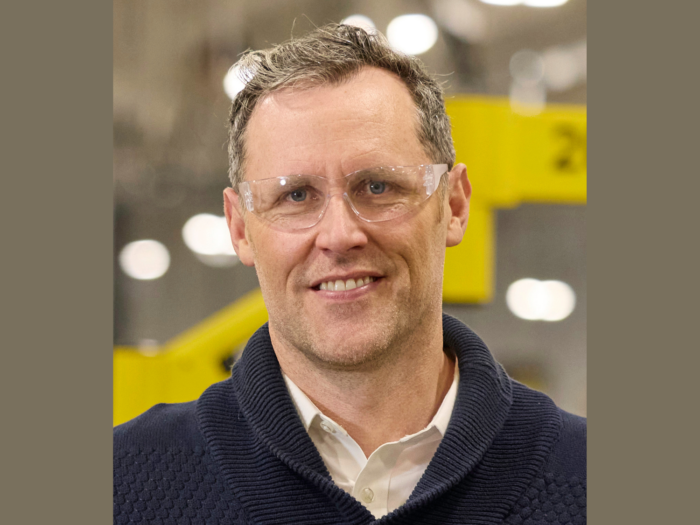
A company whose products are essential to manufacturing and food production worldwide is headquartered in a former Walmart building in Bedford, New Hampshire.
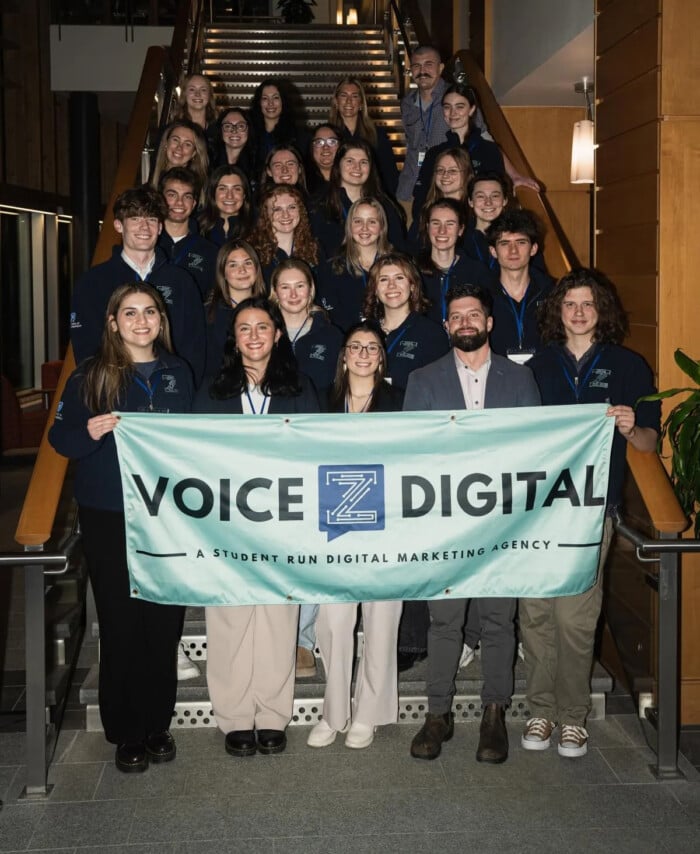
Voice Z Digital, a digital marketing agency run by students at the University of New Hampshire, recently celebrated working with its 100th client.
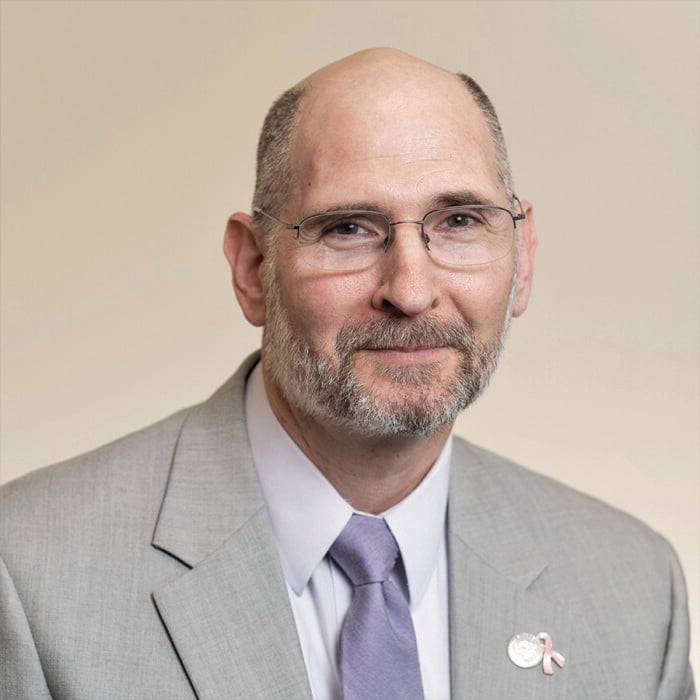
Rubinstein, who has served as the chancellor of the Community College System of New Hampshire since 2021, announced his plan to retire before the start of the 2026-27 academic year, capping a career in education that spans more than four decades.
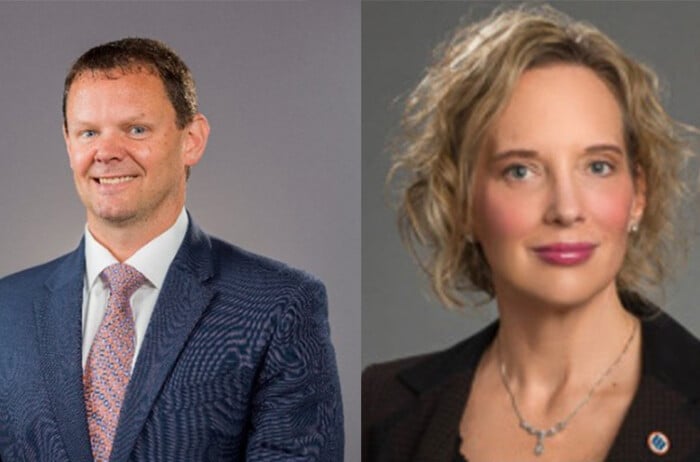
Eastern Bank entered the New Hampshire market in 2015, when it acquired Centrix Bank in Bedford. The Boston-based bank operates seven branches in New Hampshire and more than 125 in its overall footprint in eastern Massachusetts and Rhode Island.
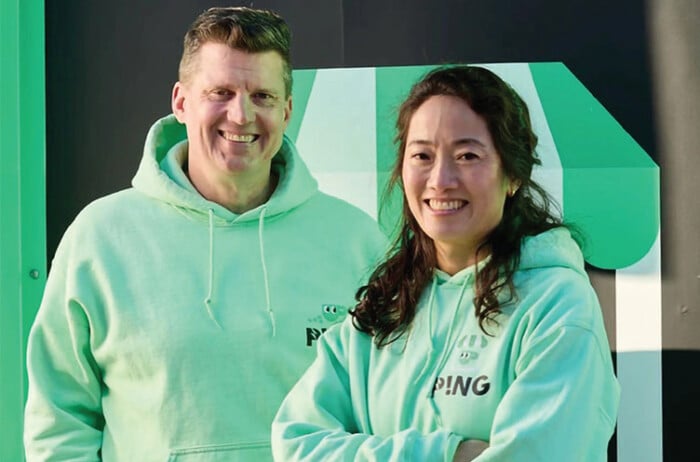
Rob Whitten and Jane Lo want to speed up that line of cars that snakes around a coffee shop. With P!ng, they’re updating the traditional drive-thru model by replacing human servers with robotic automation and moving orders from speaker boxes to smartphone apps.