Q&A with Col. Rob Campbell of Rob Campbell Leadership
Col. Rob Campbell has 27 years of experience leading organizations ranging in size from 24 to 5,000 people.
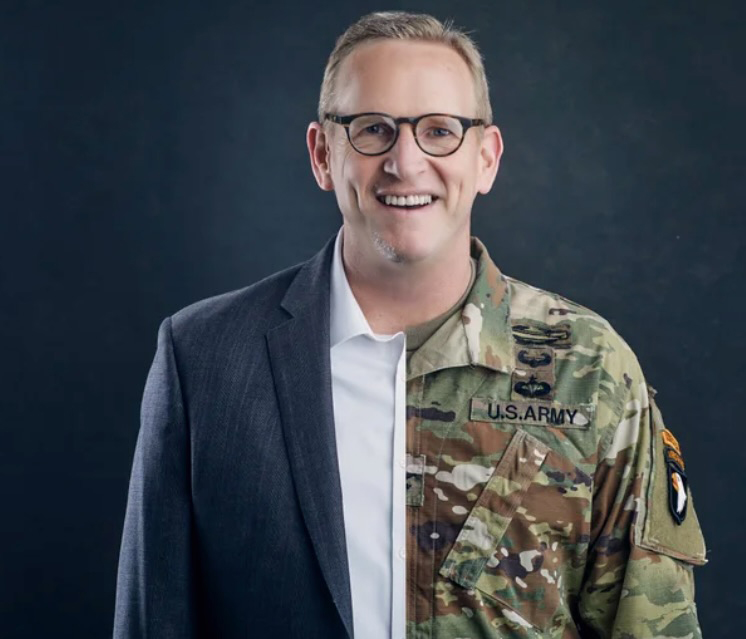
‘In the military, you are part of this band of brothers and sisters serving a cause greater than yourself. It has a profound effect on service members.’
Col. Rob Campbell has 27 years of experience leading organizations ranging in size from 24 to 5,000 people. After he retired from the Army, Campbell applied what he knows about personnel performance, soldier retention, promotion selection rates and other leadership accomplishments to a career as an author, keynote speaker and leadership consultant.
Campbell recently visited NH Business Review to appear as a guest on the “Down to Business” podcast from which this article was adapted. Listen to the complete interview at NHBR.com or through your favorite streaming service.
Q. Let’s start with your early career and how you turned over two decades of military leadership into the work that you do now.
A. I was born and raised in Fitchburg, Mass., and went to high school and college out in Western Mass in North Adams State College, now Massachusetts College of Liberal Arts. I was a basketball fanatic. Sports was everything with me, and I thought that was going to be it. I was going to get a business degree and play basketball for the college. Well, I didn’t make the team freshman year. I didn’t really have a good left hand. So that was the end of that passion.
If you’d asked me in high school, if I was going to join the Army be a career officer, I would’ve laughed at you. But the Massachusetts Army National Guard was offering free tuition, and I was a broke college student. My dad had served in the Reserve, so I followed in his footsteps. I went off to basic training in the summer of ‘87 and really found something that I was passionate about: the challenge, the leadership, the chance to travel and experience the world.
I graduated in 1990 and I took off into a career in the Army as a ranger, a paratrooper, an infantry officer. I really had no aspirations that I was going to do 27 years and make the rank of colonel.
I was in Iraq once, in Afghanistan twice.
The world changed on September 11th (2001), and there I was right in the middle of a military career. The Army offered me opportunity after opportunity, and I rose to the rank of colonel and commanded a brigade in the 101st Airborne Division.
After that was done, it was a bit of a pivot where, OK, you stick around and try and make general officer, be a one-star, two-star, four-star general. But it really wasn’t what I wanted to do. My sons had left the house and moved on, and it was just my wife and I. When I retired in 2016, we went moved to the coast of North Carolina.
I started my leadership business in coaching and speaking, and found that my new passion is entrepreneurship. I’ve been at it 10 years. We live in Tennessee now. I founded a few small businesses down there and continue having conversations about important topics.
Q. One of those important topics is the hiring and employing veterans. How do you help businesses become veteran friendly?
A. I wrote my first book on leadership, and I kind of stumbled into book writing like many people do. And wrote that one. I’m like, “OK, when that’s done, well, I’ve got that down. Now I know how to do it.” At the same time, I was kind of admiring a problem. And that is the space of veteran hiring and what was happening with service members as they transitioned into something very profound in their life into something very different.
I felt like I was plucked off the planet in 1990 and then placed back on in 2016 when I got out. I went through a few interviews and dipped my toe on a few places that maybe I could work here and do this. And I discovered a problem with how veterans approach employment and what they choose to do when they transition. There also is the problem of society really not understanding us.
I wrote my second book on military transition, which described the journey I took and offers some perspectives to others to stepping into that space. That’s how I developed this program of how an organization could be not just veteran friendly, but veteran ready.
Q. What makes it difficult for veterans to make that transition to civilian jobs?
A. In the military, you are part of this band of brothers and sisters serving a cause greater than yourself. It has a profound effect on service members. Typically, they join at an early age when their brains are still developing so it stays with them the rest of their days.
Then all of a sudden, almost overnight, they’re taken away from that safety net of those people around them into something quite frankly that is isolating, and polarized in the world that we live in today.
It’s a foreign experience. It’s almost like they need a translator when they get out into the world. It’s not the fault of anybody. We don’t know each other. How then can an employer really understand what somebody’s going through? Part of my body of work is to help them overcome that.
Col. Rob Campbell has 27 years of experience leading organizations ranging in size from 24 to 5,000 people.
Robert Tourigny has been leading NeighborWorks Southern New Hampshire for more than 20 years, but he’s still chasing the big ones.

Don Gregori’s journey to become chief operating officer for a multinational technology company began with earning a liberal arts degree.
Since 2022, Ken Woo has been the president of Marmon Utility, an advanced manufacturing firm based in Milford that produces polymer insulators and underground cables, including the Hendrix and Kerite brands, for the electric utility industry.
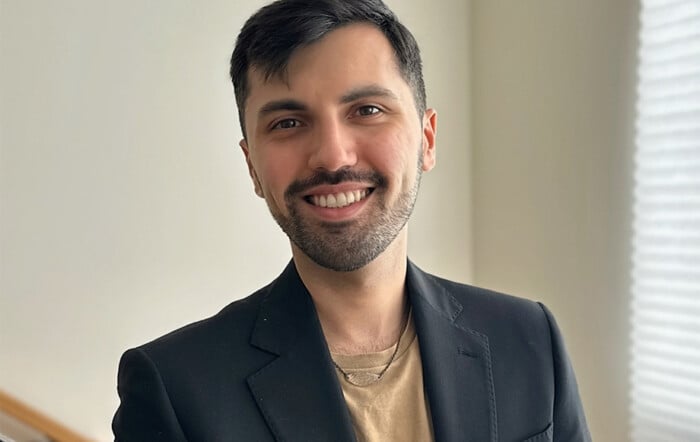
Kyle Moschen, a senior media relations manager at Weber Shandwick based in Seattle, was this year’s commencement speaker at Nashua Community College.
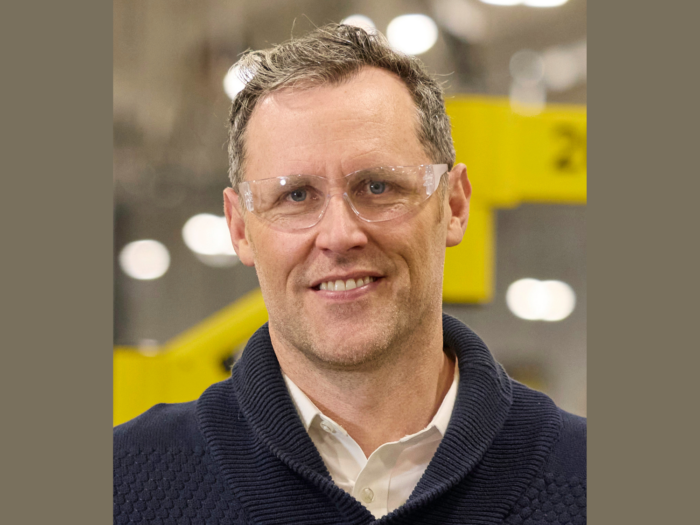
A company whose products are essential to manufacturing and food production worldwide is headquartered in a former Walmart building in Bedford, New Hampshire.
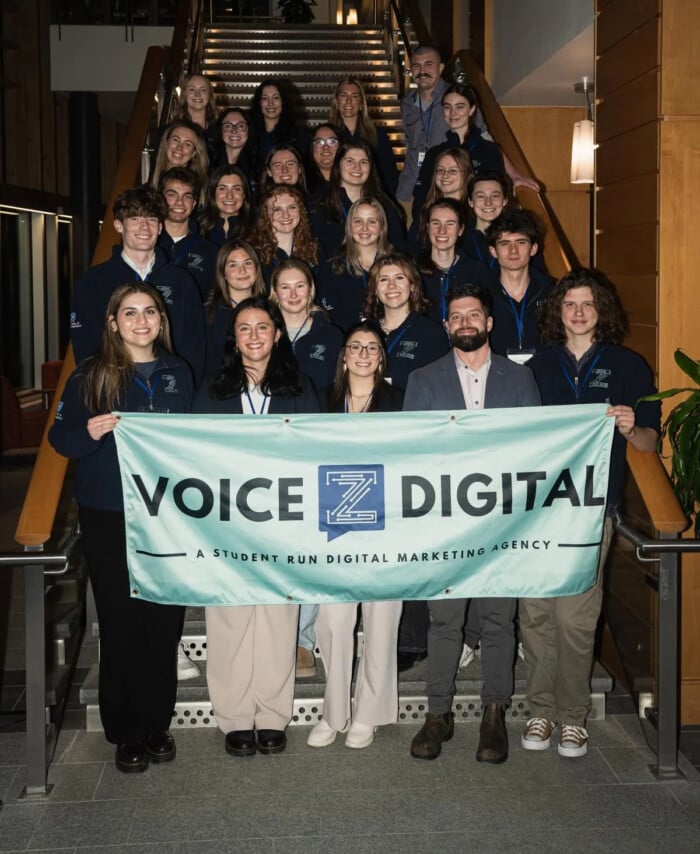
Voice Z Digital, a digital marketing agency run by students at the University of New Hampshire, recently celebrated working with its 100th client.
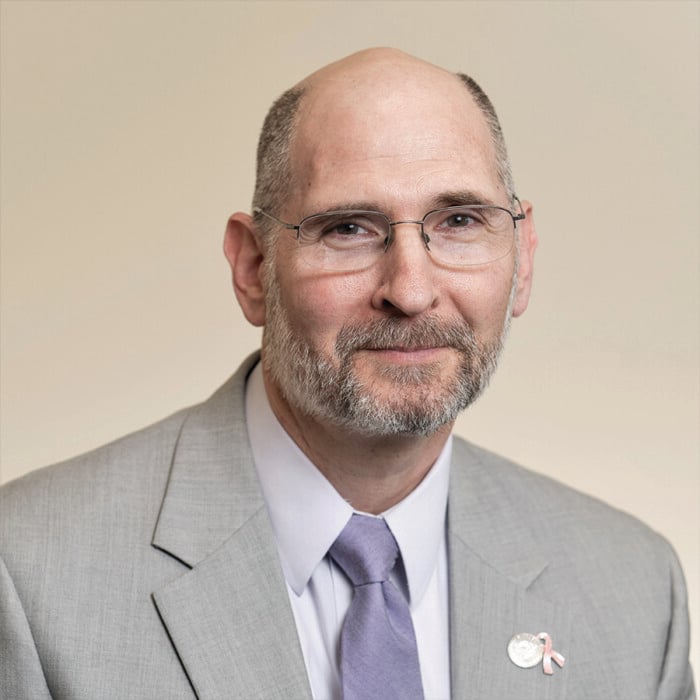
Rubinstein, who has served as the chancellor of the Community College System of New Hampshire since 2021, announced his plan to retire before the start of the 2026-27 academic year, capping a career in education that spans more than four decades.
Eastern Bank entered the New Hampshire market in 2015, when it acquired Centrix Bank in Bedford. The Boston-based bank operates seven branches in New Hampshire and more than 125 in its overall footprint in eastern Massachusetts and Rhode Island.