Questions raised over Coos TIF financing plan for Balsams
Otten warns project is in 'grave time jeopardy'

Otten warns project is in 'grave time jeopardy'
2012 law removed PUC authority to probe most complaints of poor phone service

Ski resort outlines plans at Bethlehem Planning Board meeting

Utility asks NHPUC to keep payoff timeline confidential

It was raining heavily, a bunch of soggy strangers were tromping around in her yard and Corinne Comeau, 84, was thrilled. “I am positively, absolutely in shock. It pays to pray. It really does,” she said. In this case, the…

Planners told project is ‘full speed ahead’

Coaticook, Quebec, rolled the dice on a unique attraction and hit the jackpot

Downtown bakery is a dream come true

Working on the assumption that developers will eventually ask permission to build a controversial hotel along The Cog Railway on Mount Washington, the Coos County Planning Board has created a new zoning application. “The county never had an application for…

Eversource customers may foot extra $100m bill for Berlin plant

After 30 years, regulations for unincorporated areas will be scrutinized
Auto dealership mogul says sale makes sense for future of project
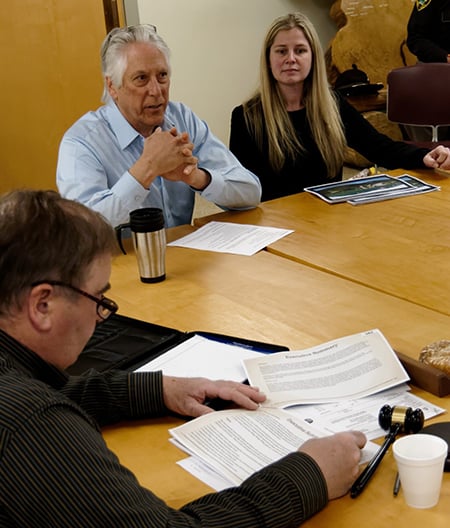
Developer tells Coos County Commissioners he's "fairly encouraged"

Rek-Lis Brewing takes an entrepreneurial leap in Bethlehem

Construction of facilities expected to begin this spring
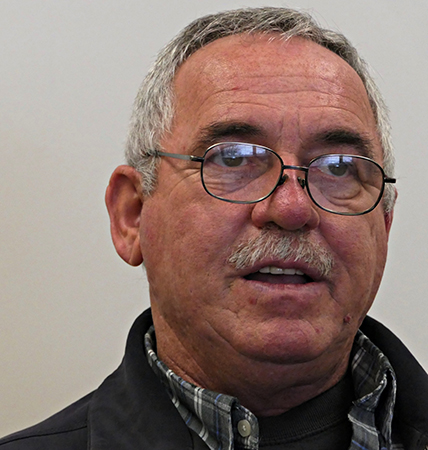
How Bob Chapman wound up redeveloping the former Wausau Paper mill

After big growth, commercial use stalls

On fifth try, entrepreneur seeks sites in Berlin
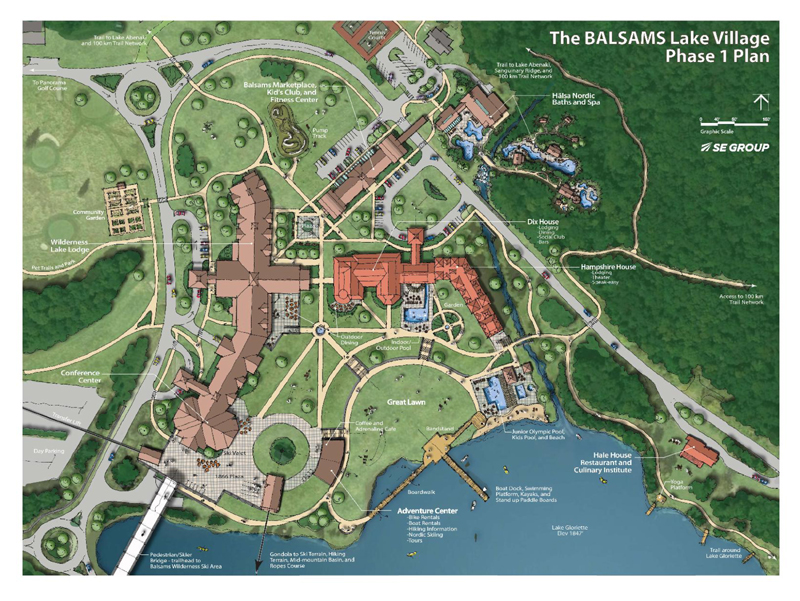
USDA Rural Development help sought for $143 million project
All across the country, and in New Hampshire, voters rejected the President’s party by electing historic numbers of Democrats up and down the ballot. This was notable, but there were several unintended consequences.

Voters across New Hampshire sent a clear signal: They are looking for economic change. They are worried about the cost of living, the ability to simply get by and the gap between what hard work promises and what it actually delivers. For business leaders, that signal is a call to action.
After a long and incredibly divisive midterm election cycle, Congress will return to Washington for the final weeks of the 119th Congress, commonly known as the “lame-duck session.” During this final sprint to the end of 2026, many agenda items and critical legislative deadlines loom.

The Great Wealth Transfer is cemented in our lexicon for good reason. Over $100 trillion in total assets is projected to pass between generations within the next 20 years as unprecedentedly large generations approach retirement and legacy planning. Small business succession is particularly consequential; these businesses represent both a significant financial asset and a life’s work.

With the Great Wealth Transfer in full swing, wealth preservation and tax reduction is a hot topic. With more than an estimated $100 trillion anticipated to be passed onto future generations in the next 20 years, proper estate and tax planning can help maximize the wealth being passed on.
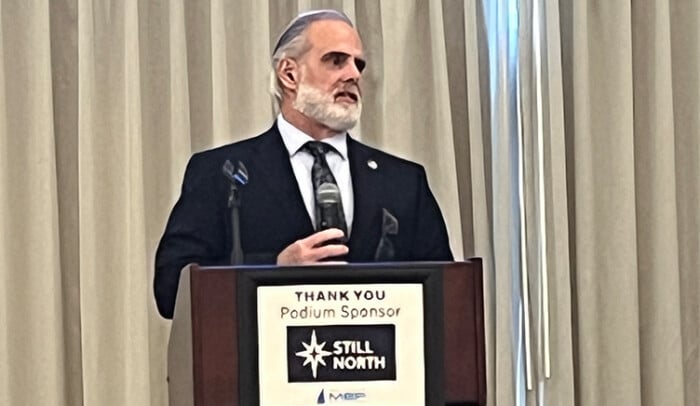
Peter Steele is the New England Regional Administrator of the U.S. Small Business Administration (SBA) serving Connecticut, Maine, Massachusetts, New Hampshire, Rhode Island and Vermont

Receiving an unsolicited inquiry from a potential buyer can feel validating. After years of building a company, someone is expressing interest in acquiring what you have created.

What a family business looks like today may be very different from what it looks like 20 or 30 years from now, but the entrepreneurial spirit behind it will remain.

Most business owners I meet have spent decades building something that matters to them, their employees and their community.