The opportunities that emerge from the economic chaos
Downturns are common, and the best investors are wise to find the silver linings

Downturns are common, and the best investors are wise to find the silver linings

Those who plan and know their risk tolerances are best suited to ride the shifting tides of uncertain times
In contemplating the ‘new normal,’ remember the resilience of the U.S.
It’s critical to understand our human strengths and weaknesses to prepare for market change
There’s stormy weather ahead on several fronts, and it needs to be discussed
Little is more detrimental to a portfolio’s long-term health than the belief that the status quo is here to stay
Congress’ latest bid to repair a failed policy falls way too short
We could be seeing an Industrial Revolution-level transformation happening before our very eyes
Without any historical perspective we are susceptible to the primal reaction of fear

Markets will always seek equilibrium even if investors have a hard time with it

By abandoning the ‘protocol,’ firms are selling their investors short

The bill is past due on the choice to ignore earlier generations’ fiscal lessons

While consumers might love the benefits of the ‘sharing economy’ investors and others may not

The Protocol for Broker Recruiting is undergoing strain following two big withdrawals

Making the wrong choice can have a profound negative impact on long-term savings

Bull markets and the wealth effect can create opportunities for making very bad decisions

Brewing generational tensions explain the current economic landscape

The fiduciary responsibility of asking the tough questions

Building a client recognition program that focuses on successful behaviors

Homeownership can have a dramatic impact on most other financial goals and obligations, particularly retirement

In the end, there’s no one-size-fits-all investment strategy

Open communication with their advisors is necessary and crucial
The quest for affordability should be the norm rather than the exception

Clients can take as much control of their financial destiny as possible by excelling on the fundamentals

Controlling your biggest lifetime expense should be a number one priority
All across the country, and in New Hampshire, voters rejected the President’s party by electing historic numbers of Democrats up and down the ballot. This was notable, but there were several unintended consequences.

Voters across New Hampshire sent a clear signal: They are looking for economic change. They are worried about the cost of living, the ability to simply get by and the gap between what hard work promises and what it actually delivers. For business leaders, that signal is a call to action.
After a long and incredibly divisive midterm election cycle, Congress will return to Washington for the final weeks of the 119th Congress, commonly known as the “lame-duck session.” During this final sprint to the end of 2026, many agenda items and critical legislative deadlines loom.
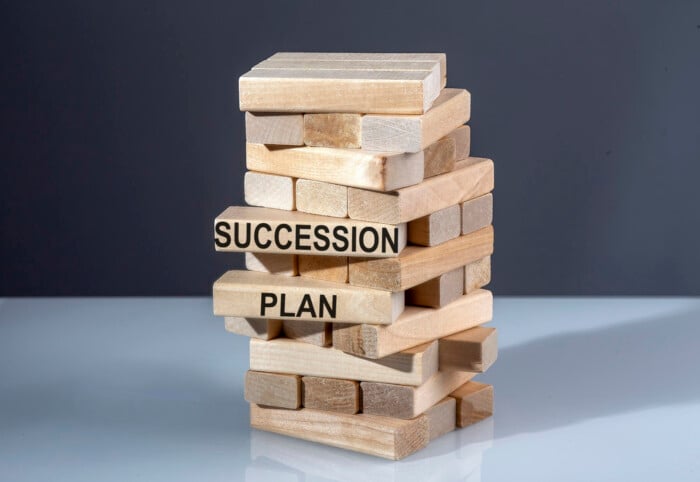
The Great Wealth Transfer is cemented in our lexicon for good reason. Over $100 trillion in total assets is projected to pass between generations within the next 20 years as unprecedentedly large generations approach retirement and legacy planning. Small business succession is particularly consequential; these businesses represent both a significant financial asset and a life’s work.

With the Great Wealth Transfer in full swing, wealth preservation and tax reduction is a hot topic. With more than an estimated $100 trillion anticipated to be passed onto future generations in the next 20 years, proper estate and tax planning can help maximize the wealth being passed on.
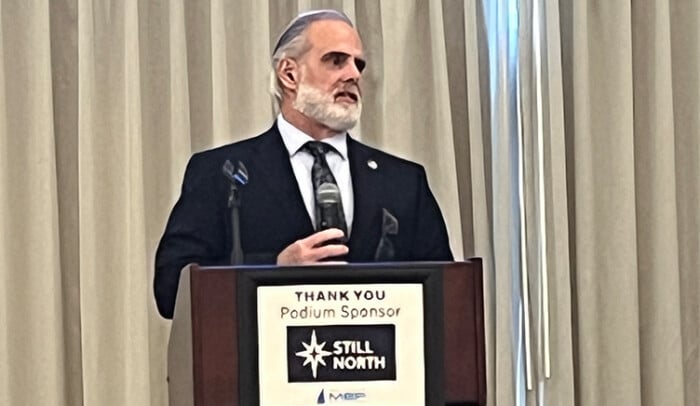
Peter Steele is the New England Regional Administrator of the U.S. Small Business Administration (SBA) serving Connecticut, Maine, Massachusetts, New Hampshire, Rhode Island and Vermont

Receiving an unsolicited inquiry from a potential buyer can feel validating. After years of building a company, someone is expressing interest in acquiring what you have created.

What a family business looks like today may be very different from what it looks like 20 or 30 years from now, but the entrepreneurial spirit behind it will remain.

Most business owners I meet have spent decades building something that matters to them, their employees and their community.