AI is changing cybersecurity – and cyberattacks
Cyber and payment fraud losses are board-level risks for every organization, escalating the need for strong, modern security systems
Artificial intelligence is transforming business at remarkable speed. Most discussions focus on productivity gains, cost savings or the jobs AI may eventually replace. Yet a more significant change is already underway — one that could reshape the future of nearly every profession.
AI is quietly eliminating the work that has traditionally trained the next generation of professionals.
For decades, organizations benefited from a remarkably efficient development model. Junior employees learned by doing routine work under the guidance of experienced mentors. The assignments were repetitive and often unglamorous, but they built judgment, sharpened analytical thinking and developed professional confidence.
Better still, the work largely paid for its own training. Clients and customers funded the routine work while organizations simultaneously invested in future talent.
That self-funding training model is beginning to disappear.
The legal profession illustrates the challenge particularly well. For generations, new associates learned by researching legal issues, drafting memoranda and motions, reviewing documents and receiving detailed feedback from senior attorneys. Every revision strengthened their analysis. Every correction improved their judgment. Over time, routine assignments became the foundation for sophisticated legal thinking.
Today, generative AI performs much of that same work in minutes. Research is faster. First drafts appear almost instantly. Document review is increasingly automated. These advances create undeniable efficiencies, but they also remove many of the opportunities through which young lawyers developed the judgment clients ultimately value.
Law is hardly unique. Junior accountants learn through reconciliations, tax preparation and preparing draft financial statements. Bankers develop credit judgment by analyzing loan files under experienced supervision. Engineers once mastered technical drawings before assuming responsibility for complex designs. Consultants built expertise by gathering research and preparing analyses that senior professionals refined.
Across professions, routine work has never simply been work. It has been the training ground where future experts learned to think.
As AI assumes more of these foundational tasks, every organization faces the same question: What replaces the experience that routine work once provided?
The answer cannot simply be, “Use AI better.”
Business leaders will need to become far more intentional about developing talent than they have been in the past. That means redesigning training instead of assuming it will happen naturally. It means preserving opportunities for independent thinking before AI enters the process, investing more time in mentoring and feedback, and creating structured experiences where junior professionals can develop judgment that technology cannot provide.
For law firms, that may include simulated client matters, formal mentoring and a deliberate progression from independent reasoning to AI-assisted work. Similar approaches will be needed in accounting firms, engineering companies, financial institutions, consulting organizations and countless other businesses confronting the same challenge.
The question is no longer whether organizations should adopt AI; they should.
Nor is it whether businesses should pursue greater efficiency; they must.
The real question is whether leaders will intentionally replace the training ground AI is dismantling. If they do not, today’s productivity gains may become tomorrow’s leadership gap.
The organizations that succeed in the AI era will not simply be those that implement the best technology. They will be the ones that develop the best people. AI can accelerate work, improve efficiency and expand human capability. But it cannot replace the judgment, wisdom, ethical reasoning and professional confidence that are built through thoughtful experience.
The businesses that recognize that distinction today will be the ones leading their industries tomorrow.
Linda Monica is a New Hampshire attorney who has practiced law for more than 40 years as a trial attorney. Her current work focuses on the intersection of law practice and artificial intelligence, including AI visibility, governance policies, platform selection and new lawyer training. She can be reached at lmonica@monicalaw.com.

Cyber and payment fraud losses are board-level risks for every organization, escalating the need for strong, modern security systems

Artificial intelligence has moved from pilot project to daily practice inside many HR departments.

The two educational institutions launched a new pilot partnership this summer, bringing 16 high school students from towns across New Hampshire together to learn the math behind AI and how to use it to tackle real problems.
Artificial intelligence is transforming business at remarkable speed. Most discussions focus on productivity gains, cost savings or the jobs AI may eventually replace. Yet a more significant change is already underway — one that could reshape the future of nearly every profession.

Most business owners come to me with technology questions. Which AI tool should we use? What platform is best for our industry? How much will it cost? I get it. Technology feels tangible. It’s something you can research, compare and buy.

NH Tech Alliance task force maps AI in New Hampshire

In 2024, computer programmers from DeepMind won the Nobel Prize in chemistry for developing an AI that predicts protein folding. If AI that is advanced enough to simulate protein folding (and allow programmers to win the world’s top chemistry prize) has arrived, is the law any more complicated? Why should lawyers invest time learning about various facets of the law to draft briefs or contracts, when they can task AI?
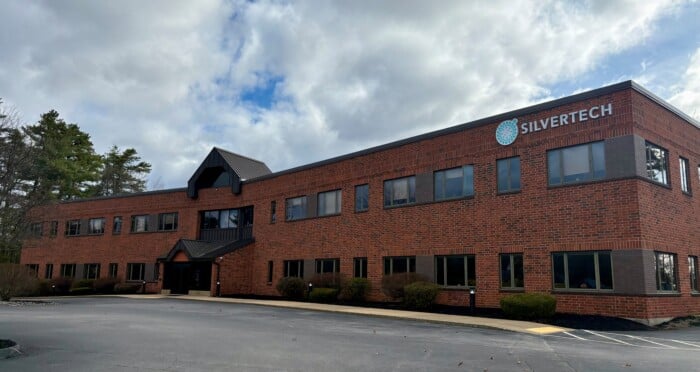
Enhancing the use of AI is one of the benefits cited in SilverTech’s recent purchase of Ohio-based Paragon, which brings to the table a broad client list that deepens the digital experience agency's portfolio.