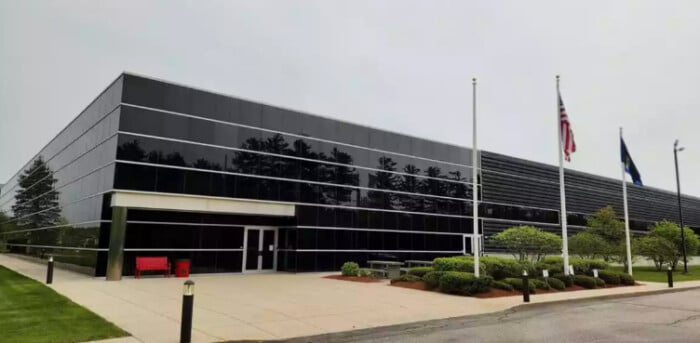
BAE’s hybrid bus systems gain traction in municipalities
Technology seen as a pathway toward zero-emissions goals
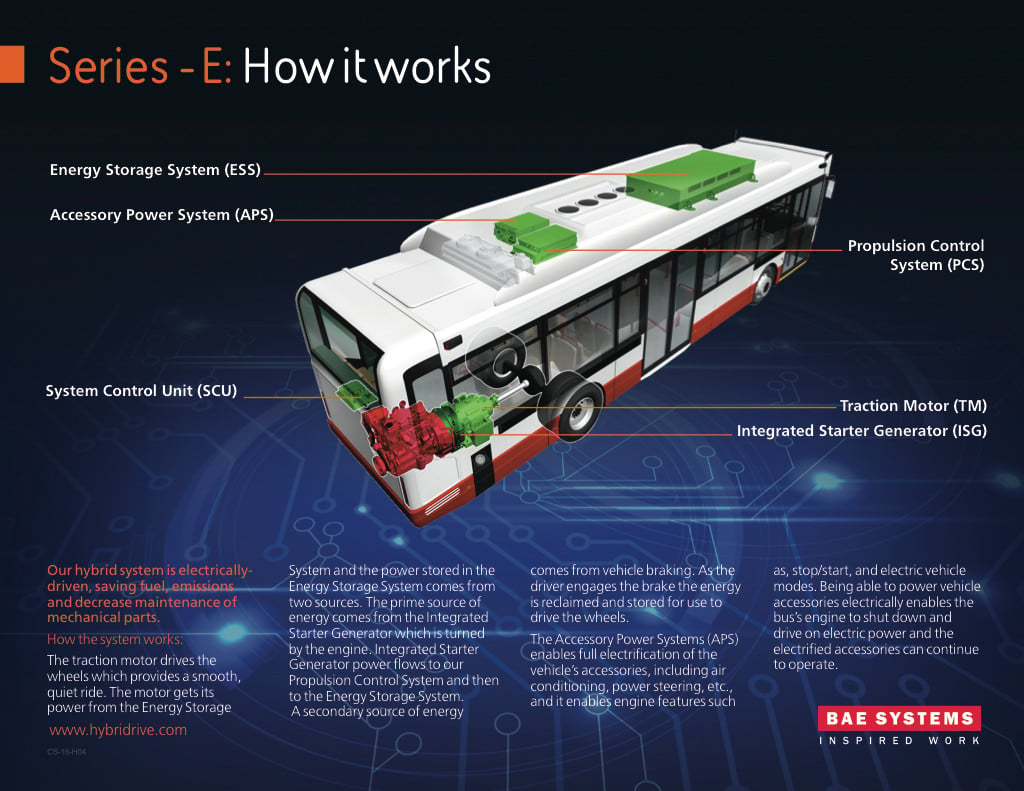
Technology seen as a pathway toward zero-emissions goals

Energy costs continue to rise not because of renewables but from the replacement of old infrastructure
Deadline for startup competition is Oct. 31

NHADEC announces export financing at members meeting, Dean Bartles accepts position with National Tooling and Machining Association ... and more

Six events will take place across New Hampshire

New offer is $5 million higher for remainder of New Hampshire-based retailer

Survey of economists sees shift starting as early as 2019

Concord Theatre, Granite Center get New Markets Tax Credit allocations

Yes, they do exist – even in New Hampshire

Procon begins headquarters expansion, Coldwell Banker Lifestyles opens Concord office … and more
All across the country, and in New Hampshire, voters rejected the President’s party by electing historic numbers of Democrats up and down the ballot. This was notable, but there were several unintended consequences.

Voters across New Hampshire sent a clear signal: They are looking for economic change. They are worried about the cost of living, the ability to simply get by and the gap between what hard work promises and what it actually delivers. For business leaders, that signal is a call to action.
After a long and incredibly divisive midterm election cycle, Congress will return to Washington for the final weeks of the 119th Congress, commonly known as the “lame-duck session.” During this final sprint to the end of 2026, many agenda items and critical legislative deadlines loom.

The Great Wealth Transfer is cemented in our lexicon for good reason. Over $100 trillion in total assets is projected to pass between generations within the next 20 years as unprecedentedly large generations approach retirement and legacy planning. Small business succession is particularly consequential; these businesses represent both a significant financial asset and a life’s work.
With the Great Wealth Transfer in full swing, wealth preservation and tax reduction is a hot topic. With more than an estimated $100 trillion anticipated to be passed onto future generations in the next 20 years, proper estate and tax planning can help maximize the wealth being passed on.
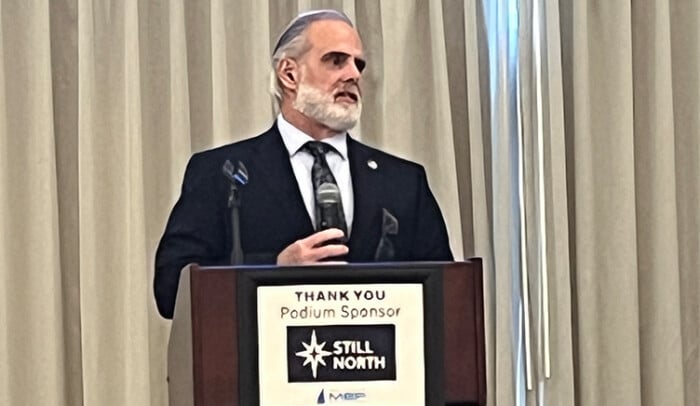
Peter Steele is the New England Regional Administrator of the U.S. Small Business Administration (SBA) serving Connecticut, Maine, Massachusetts, New Hampshire, Rhode Island and Vermont

Receiving an unsolicited inquiry from a potential buyer can feel validating. After years of building a company, someone is expressing interest in acquiring what you have created.

What a family business looks like today may be very different from what it looks like 20 or 30 years from now, but the entrepreneurial spirit behind it will remain.

Most business owners I meet have spent decades building something that matters to them, their employees and their community.