A period of transitions
Remembering the impactful lives of several influential people
Remembering the impactful lives of several influential people

To survive, brick-and-mortar stores should make it easier and more pleasant for customers

But millennials are creating change through new mindset, lifestyle and purchasing patterns
Why it’s essential to increase funding for the State Loan Repayment Program for health care providers
The term “going the distance,” usually associated with making progress, takes on a different meaning after New Hampshire officials moved to block a plan that would have allowed transmission lines to traverse the Granite State and bring more than 1,000…
To the editor: I just read the March 2-15 edition and observed much verbosity and rocks being thrown about guns with very few facts involved in a most of the paper. So why does NHBR wish to see more children…
To the editor: New Hampshire is CLOSED for Business Over the last few months there has been a lot of attention focused on New Hampshire’s bid for an Amazon facility, and an effort to portray New Hampshire as a great…

Fallout from the move in 2000 to oust Chief Justice David Brock reverberates to this day

Take time to know the DOL requirements when taking on a new employee

Bob McDonald, former chairman, president and CEO of Procter & Gamble and Veterans Affairs secretary under President Obama, will be the keynote speaker at the March 28 forum, ‘The Real Cost to Business: the Mental Health and Addiction Crisis.’
All across the country, and in New Hampshire, voters rejected the President’s party by electing historic numbers of Democrats up and down the ballot. This was notable, but there were several unintended consequences.

Voters across New Hampshire sent a clear signal: They are looking for economic change. They are worried about the cost of living, the ability to simply get by and the gap between what hard work promises and what it actually delivers. For business leaders, that signal is a call to action.
After a long and incredibly divisive midterm election cycle, Congress will return to Washington for the final weeks of the 119th Congress, commonly known as the “lame-duck session.” During this final sprint to the end of 2026, many agenda items and critical legislative deadlines loom.

The Great Wealth Transfer is cemented in our lexicon for good reason. Over $100 trillion in total assets is projected to pass between generations within the next 20 years as unprecedentedly large generations approach retirement and legacy planning. Small business succession is particularly consequential; these businesses represent both a significant financial asset and a life’s work.

With the Great Wealth Transfer in full swing, wealth preservation and tax reduction is a hot topic. With more than an estimated $100 trillion anticipated to be passed onto future generations in the next 20 years, proper estate and tax planning can help maximize the wealth being passed on.
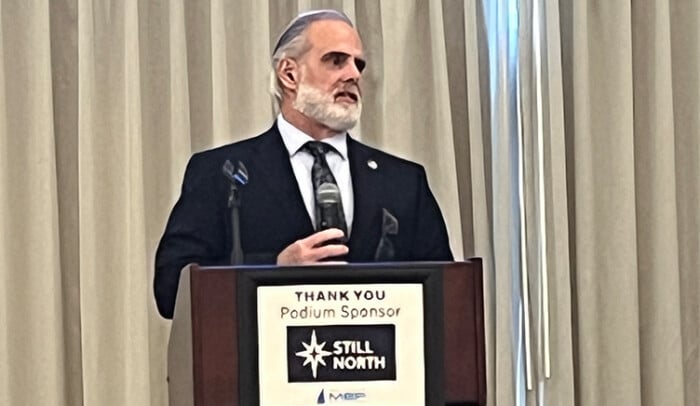
Peter Steele is the New England Regional Administrator of the U.S. Small Business Administration (SBA) serving Connecticut, Maine, Massachusetts, New Hampshire, Rhode Island and Vermont

Receiving an unsolicited inquiry from a potential buyer can feel validating. After years of building a company, someone is expressing interest in acquiring what you have created.

What a family business looks like today may be very different from what it looks like 20 or 30 years from now, but the entrepreneurial spirit behind it will remain.

Most business owners I meet have spent decades building something that matters to them, their employees and their community.