What employers need to know about new workplace rule interpretation
NLRA guidance contains a more employer-friendly view

NLRA guidance contains a more employer-friendly view

This article outlines key considerations for U.S.-based companies that offer lead-generation services — i.e., selling lists of contact information for use in marketing or direct outreach.

Business and event happenings around the state of NH
The Latest is a roundup of the comings and goings of the movers and shakers in NH's business community

Planning for the future, particularly as a business owner, requires more than a simple will. Our panelist of professionals explore the fundamentals of estate planning, from choosing between wills and trusts to preparing for incapacity and business succession. Their insights highlight how thoughtful planning can protect assets, reduce legal complications, maximize financial benefits and ensure your wishes are carried out for both family and business interests.

Workforce reductions are never easy. Whether driven by economic uncertainty, industry shifts or strategic restructuring, layoffs can be some of the most difficult decisions business leaders face. At the same time, workforce reductions carry legal obligations that are easy to overlook, particularly under state law. In New Hampshire, one of the most misunderstood of those obligations is the state’s WARN Act.
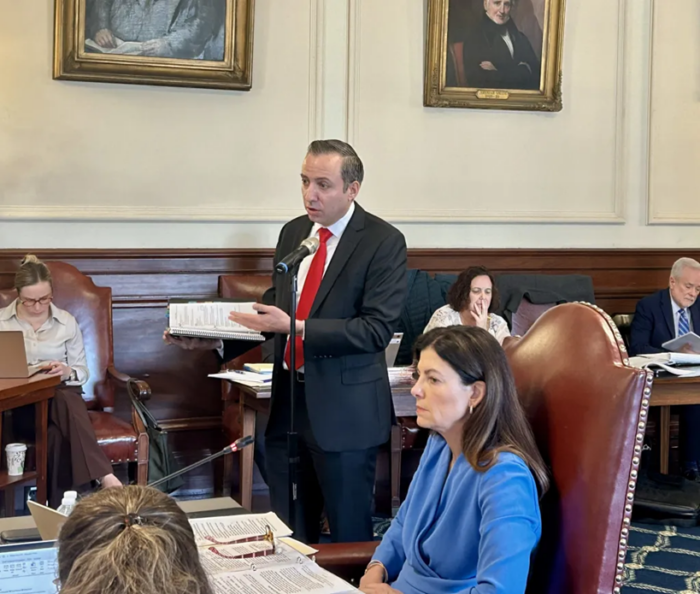
Nearly nine months after a controversial change to the Youth Development Center abuse claims process pushed the administrator from his job and stalled the proceedings for survivors, the fund now has a new leader.
With the permanent passage of the One Big Beautiful Bill Act this past summer, Opportunity Zones (OZ) are being reset, and with it, an opportunity for New Hampshire to shape what comes next. The question is whether we’re ready and whether municipalities, developers and state leaders are aligned to act.
April is National Child Abuse Prevention Month. New Hampshire Children’s Trust (NHCT), in collaboration with our national partner, Prevent Child Abuse America (PCAA), uses this month as an opportunity to spread awareness about ways to stop child abuse and neglect before it happens.
It is likely that individual health is one of the core drivers of our economy and productivity. Seeing the potential value of employers investing in wellness may even seem straightforward. Trickier however, might be finding affordable and appealing ways to do this amid the tight margins and self-reliant cultures of agriculture and natural resources sectors.

Dartmouth College opened its “AI at 70” conference Thursday morning, Oct. 29, with a session called “The Future Worth Building is Human.”
On Nov. 26, 2015, heavy wet snow was falling, with a forecast warning of an impending storm for days. The phone rings, and before I answer it, I already know what the reporter is going to ask.
New Hampshire has more than 10,000 miles of rivers, many of which flow through downtowns.
The nationwide youth mental health crisis has seen marked improvements in New Hampshire since 2021, but the problem is still far from fixed. Indeed, while the measured outcomes are getting better compared to the worst years of the COVID-19 pandemic, the figures today are still historically concerning compared to a decade ago.
New Hampshire employers spend considerable time and resources trying to find dependable employees who want to work. Yet there is a segment of our population that is too often overlooked: adults with intellectual and developmental disabilities (IDD).
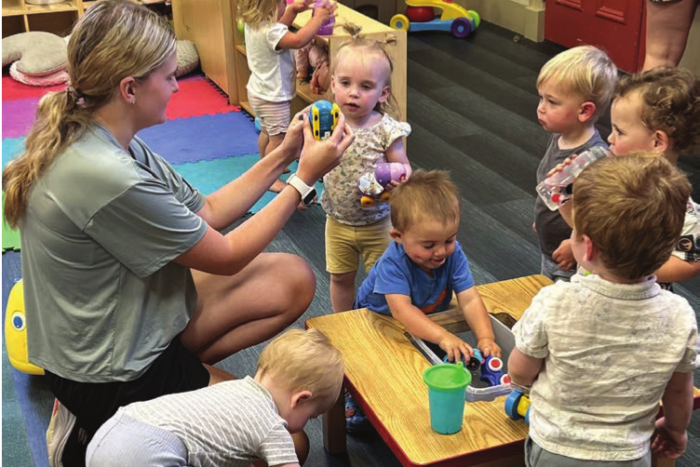
Reliable, accessible childcare is an economic advantage that helps New Hampshire businesses attract and retain employees, strengthen their workforce and support long-term growth.

Identifying growing and grace as my top two values helped me focus on who I want to be and how I want to show up. Revisiting these six years later, I am pleased that these ideas still ring true.

To many people, prediction markets and sports gaming are a distinction without a difference. Which begs the question: Should New Hampshire be regulating prediction markets, especially as they apply to sports, the same way it regulates — and draws revenue from — sports betting via DraftKings?
Over the course of my career, I have attended my share of ribbon-cuttings that were the result of a lot of effort to recruit a new company into the state.