When a fee becomes a tax
The difference between NH’s two key funding sources

The difference between NH’s two key funding sources

Understanding the Trump administration’s increased scrutiny of H-1B employers

Rulings alter U.S. agency’s visa requirements for employers

Strategies for effectively ensuring prospective employees are authorized to work in the U.S.

Employers rejected in this year’s H-1B lottery may feel lost, but there are alternatives
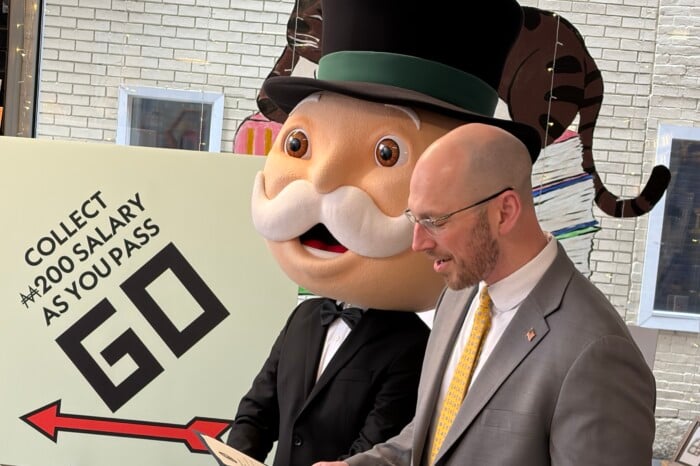
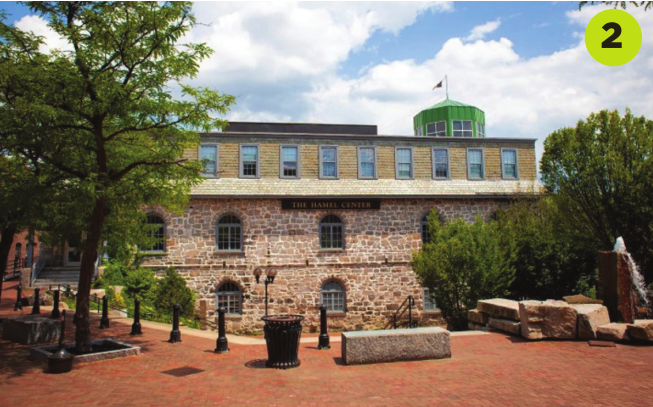
Efforts are underway in Manchester to fashion a version of the iconic board game "Monopoly" into a Who's Who and What's What of New Hampshire's largest city.
Business and event happenings around the state of NH

The Latest is a roundup of the comings and goings of the movers and shakers in NH's business community

Rising demand, transmission constraints, and the push for regional solutions

The Rugg family and the Town of Exeter have settled their long running land dispute, clearing the way for a developer to proceed with a housing development to be built on the Exeter-Newfields town line.

For nearly six decades, Paul Young has been a constant, if often understated, presence in public and government affairs, both in New Hampshire and beyond. Since founding Novus Public Affairs in 1996, Young has helped shape how businesses, nonprofits and political leaders communicate and connect with the world around them, leaving a mark on the state that is hard to measure but easy to feel.
When Emerson McCourt passed away in 2006, he left behind an extensive tool collection, meticulous instructions and a commitment to Great Bay Community College (GBCC) students that continues today.

UNH is home to the state’s largest school of nursing
New Hampshire is falling behind in the care of our aging population