Cybersecurity Self-Check: Would You Pass the Basics?
Instead of asking, “Is our company secure?” ask yourself: “Would I pass a cybersecurity basics check?”
Instead of asking, “Is our company secure?” ask yourself: “Would I pass a cybersecurity basics check?”

The growing danger of vendor vulnerabilities

In today’s digital age, weak cybersecurity policies aren’t just a minor oversight; they’re an open invitation to disaster
Deepfake technology is capturing imaginations across the globe, but it’s also raising some serious eyebrows

To combat these evolving threats, organizations must adopt a multi-faceted approach to cybersecurity that combines technological defenses with robust training and awareness programs
Businesses have spent years asking what AI can do for their employees. Fewer have asked what it would do for an intruder inside an employee’s account.

Many companies fall into the trap of innovation without realizing that not passing a data security audit will stall a deal right in its tracks.

Laws in other states, including in New Hampshire, are being used to hold businesses liable for their use of website tracking technologies

Getting cybersecurity wrong costs millions of dollars, customer trust, and sometimes the business itself.

Cybersecurity requires a mix of technical depth, real-world experience, and the ability to think critically under pressure. That combination takes time to build, and most companies are competing for the same relatively small pool of proven talent.
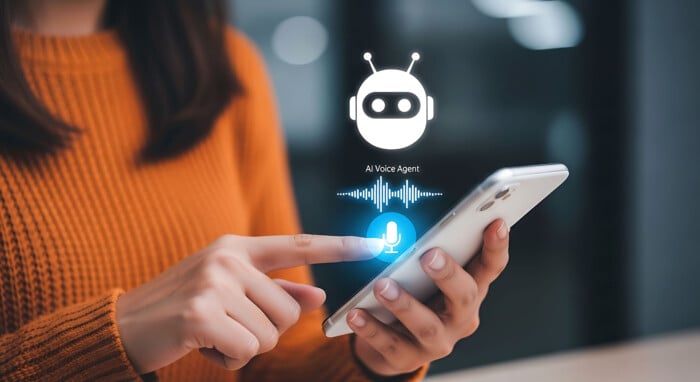
Prompt injection is the AI era's version of social engineering, and it's already happening in the wild. If you're deploying AI tools in your organization and haven't thought seriously about this, you should.

Strong cybersecurity can also boost business valuations and inspire buyer confidence. Both sides of the transaction should treat cybersecurity as a key factor in building enterprise value.

SB 482, which goes into effect in December, sets a daily conversion limit of $2,000 per digital transaction kiosks.
Unapproved and unmonitored AI use is spreading inside businesses faster than leadership teams know, and it may be one of the biggest privacy and security blind spots companies have today.