AI is changing cybersecurity – and cyberattacks
Cyber and payment fraud losses are board-level risks for every organization, escalating the need for strong, modern security systems
Ken Heideman has an extensive curriculum vitae, which includes his being a meteorologist, a writer, a public speaker and an enthusiastic cat owner.

Ken Heideman, a scam victim, speaks on Sept. 14 during a press conference at the Manchester Police Department about Senate Bill 482, a law that will go into effect in December against ATM crypto scams. (Photo by John Koziol)
But his resume also lists him as among the many Granite Staters, who despite being bright and experienced in life, have falled hard for a financial cyber scam.
In 2022, Heideman, who is a Nashua resident, went down the rabbit hole of the “dark web” and through a long series of self-inflicted mistakes, ended up withdrawing a metaphorical ton of dollars from his account at a local bank.
He then converted the greenbacks, via an automated teller machine at a convenience store in his hometown, into crypto currency that got sent, untraceably, into the ether.
His story, however, has a somewhat positive ending, which he said would have been more positive still, however, had Senate Bill 482 been law four years ago.
SB 482, which goes into effect in December, sets a daily conversion limit of $2,000 per digital transaction kiosks of which there are about a dozen in the Queen City, according to Manchester Police Det. Ray Lamy, who heads the agency’s fraud investigations.
SB 482 also creates refund protection for victims who report the scam within 14 days and stronger oversight requirements.
The law was rolled out Monday to the public during a press conference at Manchester Police Headquarters that featured remarks, among others, from Gov. Kelly Ayotte, Attorney General John Formella, Lamy and Heideman.
In announcing the press conference, AARP NH said cryptocurrency ATM scams “have become an increasingly common tool used by criminals who impersonate government officials, law enforcement officers, financial institutions, and technology support representatives to convince victims to deposit cash into cryptocurrency machines. Once funds are transferred, the transactions are often irreversible, leaving victims with little chance of recovering their money.”
Heideman was proof, said Christina FitzPatrick, state director, AARP New Hampshire, that anyone, including younger people, can fall prey to a scam.
“Fight or flight is a primal response” in tense situations, said Heideman, and the scammers know and use that fact.
After having made what he said was “a million of mistakes” in doing what the scammers had instructed him to do, “I eventually found myself at a bank withdrawing money,” he continued, and then at a crypto ATM machine.
Scammers isolate their victims to make the scams possible, said Heideman, who encouraged anyone in a similar situation to call family members, friends, or simply the police.
“I lost ten times the amount of money,” than he would have lost had SB 482 been a law back then, said Heideman,
After the press conference, Heideman said he was done with scammers but acknowledged, with some sardonic humor, that “I’m probably on a ‘sucker list’ out there.”
Even though he got scammed relatively recently, Heideman said if he knew then what he knows now, “I wouldn’t have fallen for this.”
He recalled that his bank never expressed concern that he had withdrawn a substantial amount of cash from his account for a dubious purpose. The folks at the convenience store where he converted that money into crypto, were also mum, said Heideman.
Lamy said the business owners who allow a crypto ATM machine to be placed in their stores can earn between 20 percent and 30 percent of each transaction.
In the end, Heideman thinks he was able to recoup as much as 85 percent of the money he lost.
“I was lucky because I had a rider in my renter’s insurance” for cybercrime, he explained.
Heideman also kept all the receipts from his withdrawing cash and converting it into crypto, something that he said was very important in the police’s investigation of his case.
Heideman recalled that his insurance agent convinced him to buy the cybercrime rider, stressing that it only cost $25; he sent her flowers afterward to say “thank you.”
Ayotte said SB 482 sends a message to scammers that if they target New Hampshire residents, particularly seniors, “We’re going after you.”
Formella said crypto fraud is on the rise statewide and that SB 482 is an effort to educate the public about the crime because it is challenging to both recover stolen money and capture the scammers, who are often situated outside the U.S.
FitzPatrick said SB 482 “is the start of a bigger effort” against cybercrimes. She noted that 35 states have laws against crypto ATM scams.
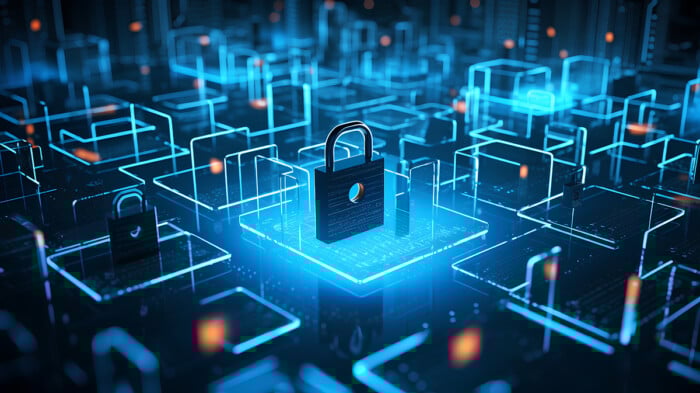
Cyber and payment fraud losses are board-level risks for every organization, escalating the need for strong, modern security systems

How to begin building a wealth transfer plan around the outcomes you want to achieve

Interest rates affect nearly every business decision — from expansion plans to asset acquisition to operational budgeting.

It's still a fact in 2026 that New Hampshire has the second oldest population in the United States — 43.4 median age — tied with Vermont and topped only by Maine. Most senior citizens in New Hampshire say it's a great place to retire. But it depends on life's circumstances.
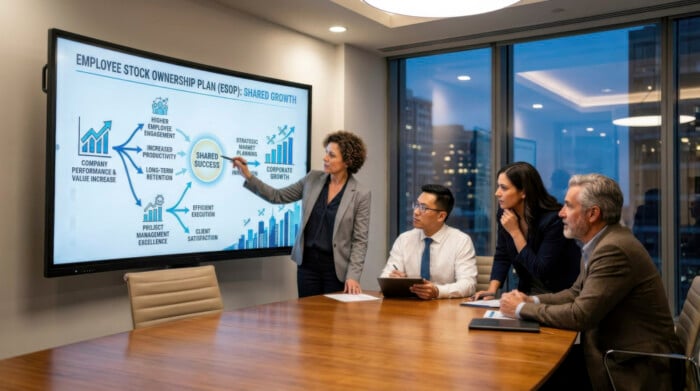
After years of building a business, it is common for owners to seek an exit strategy that preserves the culture and rewards the employees who helped make the business successful. An employee stock ownership plan, or ESOP, is one way to accomplish that goal.

SB 482, which goes into effect in December, sets a daily conversion limit of $2,000 per digital transaction kiosks.
Bedford-based Primary Bank is merging with Easthampton, Mass.-based Hometown Financial Group in a transaction valued at $160 million in cash and stock.

5 tips for creating an estate plan that reflects all of your legacy

As we close out Q2 and review the year so far, there are several interesting dynamics at play.