AI is changing cybersecurity – and cyberattacks
Cyber and payment fraud losses are board-level risks for every organization, escalating the need for strong, modern security systems

Meaningful estate plans do more than transfer wealth; they transfer values. Over a lifetime, if you’re lucky enough, you will have built more than a financial legacy to pass along to others; you will have developed a philosophy of values to live by, and collected wisdom and principles that drive your own personal definition of success.
Here are five essential tips for building an estate plan reflective of your values, not just your wealth.
1. Begin with a clear framework.
Building an effective estate plan begins by developing a complete picture of your financial life. Make an inventory, for example, of all your bank accounts, investment portfolios, real estate, business interests, and international or unique assets. Your assets will be the basis of wealth management decisions that follow. If you’re married, include assets owned both individually and by you and your spouse.
2. Build the right team.
Estate planning requires tax, legal and a range of other considerations. Coordination among a team of professionals you are comfortable working with — attorneys, financial advisors and accountants — can make all the difference. You may also wish to engage a professional trustee.
Start by choosing an estate planning attorney, who will draft your estate plan’s core documents: a will, a revocable trust, power of attorney and health care proxy. These provide the legal framework that will govern your estate.
Make a list of what’s important to you in working with an estate planning attorney. For example, would you like the estate planning attorney to be located near to where you live or work? Schedule a brief introductory meeting with any prospective attorneys to assess whether you feel comfortable working with them.
3. Define your values and vision.
Estate planning is complex, but oftentimes the hardest part isn’t the paperwork; it’s the decisions you have to make in areas that are harder to quantify, involving how your assets should be stewarded to honor your life’s work. For example, how do you want your estate handled, who do you want to handle it, what do you want to happen with what you’ve worked so hard to accomplish and gain, and how would you like to reflect your personal values in your estate plan?
These questions can be complex no matter your personal and family situation and dynamics. If you have minor children, consider who will care for them if something happens to you. If your beneficiaries have different financial or health needs, for example, consider what a fair distribution will look like. And if you’re part of a blended family, consider obligations to biological children and stepchildren.
4. Use trusts to reinforce those values.
Trust planning is an opportunity to use your estate planning to express your values and offer continued guidance for your loved ones and beneficiaries after you are gone.
Consider an incentive trust, which is structured so that your beneficiary’s actions and achievements trigger the distribution of funds. For example, the trust could offer matching funds based on earned income or reward a beneficiary for completing an advanced degree. Incentive trusts can promote independence and help guard against a mindset of entitlement.
Donor-advised funds, charitable trusts and family foundations allow you to involve your family in supporting the causes you care about. Including your beneficiaries in your decisions about philanthropic giving can be a way to share your own priorities and instill in them a philanthropic spirit.
The key is communication. Your beneficiaries, and your trustee, should understand the intentions behind your decisions.
5. Choose the right trustee.
Selecting a trustee is a critically important part of an estate plan. While you can choose a family member or close friend, it’s worth considering the burden this responsibility may place on them.
A corporate trustee, on the other hand, is a neutral party with the experience and skill to carry out your trust after you’re gone. Corporate trustees also provide long-term continuity and operate under regulatory oversight. Some families opt for a hybrid approach.
Ultimately, estate planning is about ensuring that what you’ve built in your lifetime continues after you are gone and in a way that reflects your values. An effective plan transforms your estate into a legacy worthy of your values and the physical assets you leave behind.
Susan Martore-Baker is president of Cambridge Trust Company of NH, and Kelly Broderick is the chief fiduciary officer for Cambridge Trust Wealth Management.

Cyber and payment fraud losses are board-level risks for every organization, escalating the need for strong, modern security systems

How to begin building a wealth transfer plan around the outcomes you want to achieve

Interest rates affect nearly every business decision — from expansion plans to asset acquisition to operational budgeting.

It's still a fact in 2026 that New Hampshire has the second oldest population in the United States — 43.4 median age — tied with Vermont and topped only by Maine. Most senior citizens in New Hampshire say it's a great place to retire. But it depends on life's circumstances.

After years of building a business, it is common for owners to seek an exit strategy that preserves the culture and rewards the employees who helped make the business successful. An employee stock ownership plan, or ESOP, is one way to accomplish that goal.

SB 482, which goes into effect in December, sets a daily conversion limit of $2,000 per digital transaction kiosks.
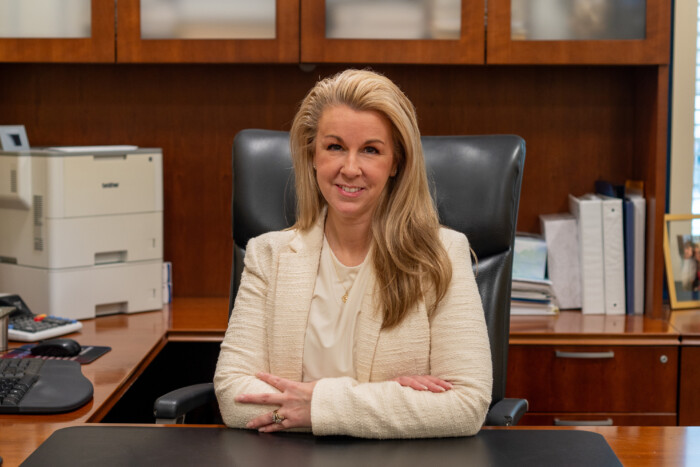
Bedford-based Primary Bank is merging with Easthampton, Mass.-based Hometown Financial Group in a transaction valued at $160 million in cash and stock.
5 tips for creating an estate plan that reflects all of your legacy

As we close out Q2 and review the year so far, there are several interesting dynamics at play.