AI is changing cybersecurity – and cyberattacks
Cyber and payment fraud losses are board-level risks for every organization, escalating the need for strong, modern security systems

BY MARK PALUZZI, SVP, DIRECTOR OF NEW HAMPSHIRE DEVELOPMENT AND NEW HAMPSHIRE WEALTH MANAGEMENT MARKET LEAD, BANGOR SAVINGS BANK
Whether you are planning for long-term growth, managing income needs, or preparing the next generation, wealth management often involves balancing multiple priorities.
Our expert shares how fiduciary and trust services can help bring structure and clarity to those decisions.
Q1: Why is wealth management more complex today?
More families are approaching wealth management together across generations, bringing different perspectives – for example, some may be thinking 20 years out and focused on long-term growth, while others are prioritizing current income or near-term needs depending on their stage of life.
Those differences are to be expected. A lot of what we do at Bangor Savings Bank is help people understand each other’s priorities and find a path forward that works for everyone. In many cases, those conversations shape the outcome just as much as the financial strategy itself.
Q2: How do fiduciary and trust services help families manage that complexity?
Having a financial structure in place helps create consistency over time, and a trust is one of the most effective tools for doing that. A trust sets expectations by outlining how assets should be managed and distributed, and as the trustee, our role is to carry those out.
Bangor Savings Bank can serve as a corporate trustee or co-trustee, responsible for administering the trust, coordinating investments, and facilitating distributions.
Our fiduciary services include trust and estate administration, investment oversight, distribution management, and support for more complex, multigenerational situations. In practice, our team manages the day-to-day responsibilities of the trust, such as recordkeeping and tax reporting, while helping guide decisions over time.
Because we often work with multiple family members, viewpoints can differ. Serving in a neutral role helps keep decisions focused on the plan and how it should be applied. While the work is technical, experience and judgment are just as important in helping move conversations forward in a practical way.
Q3: When do clients typically turn to your team for guidance?
It is often during a period of change. Sometimes change is planned well in advance; other times, something has occurred, and financial decisions need to be made quickly.
We see this often with inheritances, business transitions, or other major life events, especially when decisions have to be made jointly or on an unexpected timeline. In those moments, people are often looking for clarity and a trusted advisor who can help them sort through what comes next.
For example, a family may come to us prior to or just following the sale of a business or the loss of a loved one, looking for help structuring and managing new assets. Our role is to bring organization and perspective to what can feel like a complex situation.
Q4: Why is New Hampshire such a key hub for trust planning?
New Hampshire has been a strong environment for trusts, with a well-established legal framework that attracts many families.
With that has come a wide range of providers. Families and individuals have options, which makes experience and consistency important, especially when they are putting long-term structures in place.
As a New Hampshire trust company, our team combines deep fiduciary experience with local knowledge, helping clients navigate those decisions with confidence.
Q5: How can families ensure their legacy reflects their intentions?
It starts with conversations happening earlier than people might expect – not just around financial outcomes, but about what matters most and how decisions should be handled over time.
Putting those priorities in writing can make a difference. Whether through a trust or a broader estate plan, clear expectations help reduce confusion and create a shared understanding that can carry forward, even as circumstances change or new generations become involved.
Q6: What role does a trusted advisor play during these moments?
In many cases, our role is to provide steadiness and perspective. Decisions can feel complicated in the moment, and having a trusted advisor helps bring the focus back to what matters most.
At Bangor Savings Bank, clients work with a team of experienced fiduciary professionals, trust officers, and relationship managers who provide continuity and objective guidance over time.
It is about working through decisions step by step.
An experienced team can help make the process more manageable, keeping conversations productive and moving forward with clarity.
To learn more or start a conversation, visit bangor.com/wealth, or visit your local Bangor Savings Bank branch.
Wealth Management products are:
Not FDIC Insured | No Bank Guarantee | May Lose Value

Cyber and payment fraud losses are board-level risks for every organization, escalating the need for strong, modern security systems

How to begin building a wealth transfer plan around the outcomes you want to achieve

Interest rates affect nearly every business decision — from expansion plans to asset acquisition to operational budgeting.

It's still a fact in 2026 that New Hampshire has the second oldest population in the United States — 43.4 median age — tied with Vermont and topped only by Maine. Most senior citizens in New Hampshire say it's a great place to retire. But it depends on life's circumstances.

After years of building a business, it is common for owners to seek an exit strategy that preserves the culture and rewards the employees who helped make the business successful. An employee stock ownership plan, or ESOP, is one way to accomplish that goal.

SB 482, which goes into effect in December, sets a daily conversion limit of $2,000 per digital transaction kiosks.
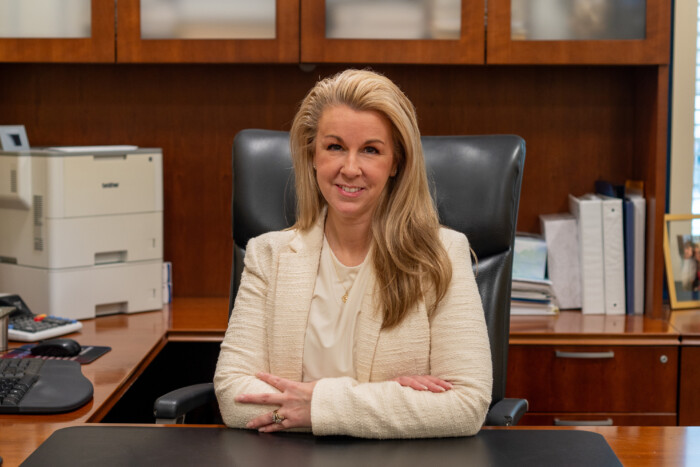
Bedford-based Primary Bank is merging with Easthampton, Mass.-based Hometown Financial Group in a transaction valued at $160 million in cash and stock.
5 tips for creating an estate plan that reflects all of your legacy

As we close out Q2 and review the year so far, there are several interesting dynamics at play.