Small steps can lead to large dividends in downtown vibrancy
Concord and Franklin have made investments that have improved their economies
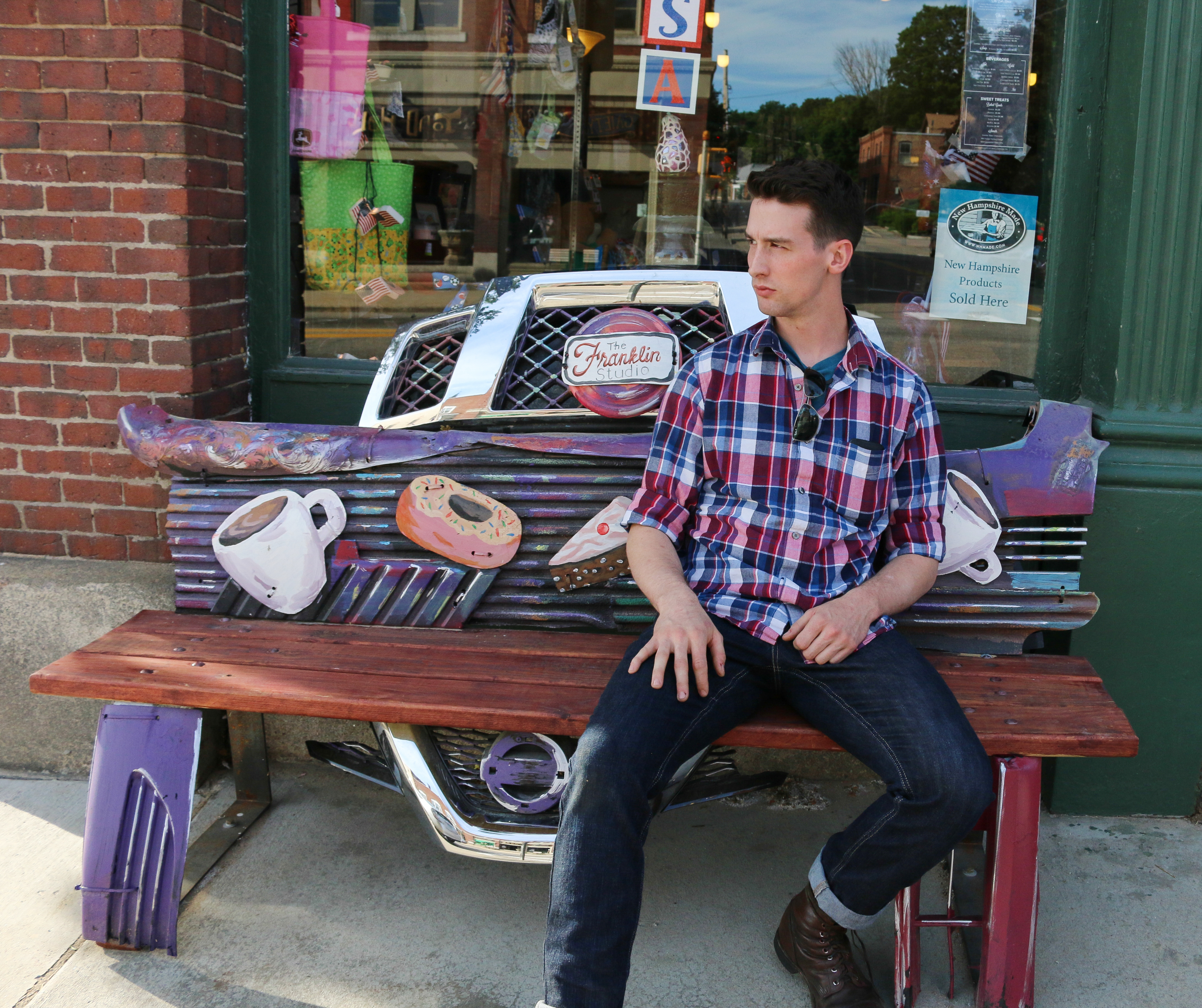
Bench outside the former Franklin Studio, Franklin, NH
Vibrant downtowns are vital to New Hampshire’s economy, helping to attract and retain workers and fuel the cultural experiences that drive tourism. It is typified by a mix of distinctive businesses, including ones altogether unique to that community, and active street life that encompasses both pedestrians traveling with purpose and others that linger, perhaps to reconnect with a friend. Such dynamism, though it might seem natural, is often facilitated by careful planning.

Some communities are fortunate to have inherited “good bones” including quality architecture, dense urban fabric and walkable public spaces built up incrementally over generations. But as some of these same towns have fallen into decline or been left behind by broad economic shifts, it’s clear that strong foundations alone aren’t enough.
Thoughtful planning matters, knowing how to translate community goals into action and when to step back and make room for individual creativity. Well-designed streetscape improvements, for instance, can shorten crosswalks, calm traffic, create space for outdoor seating and live music, and provide attractive lighting.
Downtown Concord offers a familiar and instructive example. Its historic development patterns created a dense, mixed-use core where housing, businesses and entertainment are all within walking distance.
Buildings are sited close to the sidewalk, or, where set back, often engage the street in active ways. Filling these spaces are interesting uses such as myriad coffee shops, an independent bookstore with a cafe, and outdoor seating areas with unique public art.
Concord’s redevelopment of Main Street prioritizes pedestrians. Sidewalk bump-outs shorten street crossings, and the flush median is now used for delivery parking, where it calms traffic and preserves commercial sightlines. Some residents may grumble about the lack of convenient parking on a busy afternoon, but that’s partly the point. A visitor walking a few extra blocks becomes an actor in the unfolding scene, part of the street life both the public and local businesses depend on.
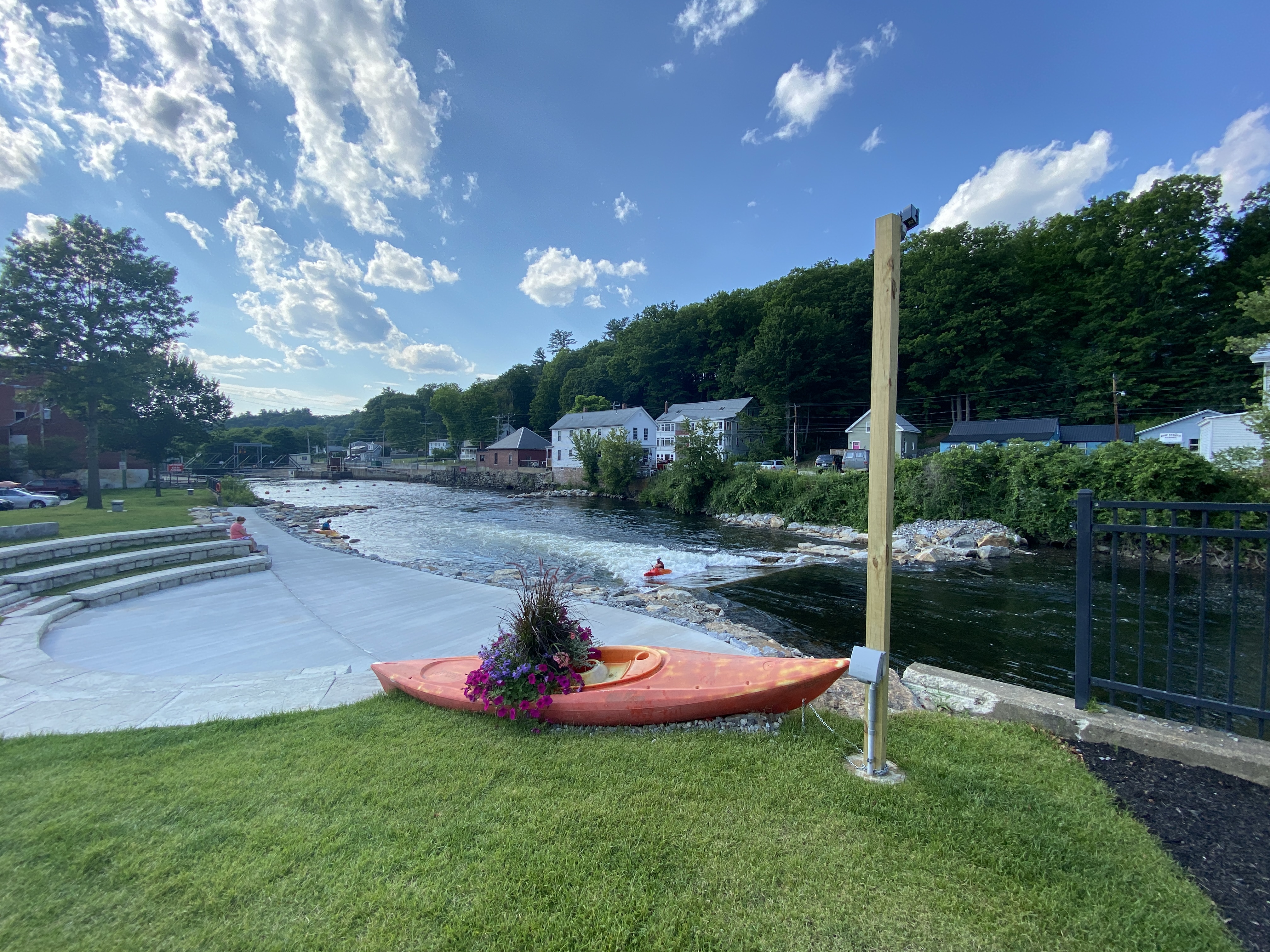
Kayak planter, Trestle View Park, where Mill City Park connects to downtown Franklin, NH
Concord invested significant money and effort to realize its goals. Not every community has those resources. Some choose a more incremental approach, whether to build toward those larger goals or simply because it better fits their vision.
Downtown vibrancy isn’t only about infrastructure. It’s also about placemaking, especially the often small, community-driven efforts to claim spaces and make them meaningful. These spaces often become gathering places, where a community can project its values and self-image.
One would be hard pressed to visit downtown Littleton, NH, and not understand its creative character. Maybe it’s the whimsical umbrellas at the Pollyanna Gateway or a colorfully decorated piano being played on the sidewalk as part of the Littleton Piano Project. Visual artists, musicians and performing artists contribute bountifully to the downtown experience through murals, galleries and performances at the Littleton Opera House. Pride in handcraft shows up in antique shops, world-class breweries, repurposed historic buildings and the impressive Riverwalk Covered Bridge spanning the Ammonoosuc River.
While building a covered bridge is no small undertaking, many of Littleton’s defining features are community-driven and relatively low-cost. A sidewalk piano or a wall mural can sometimes do as much for downtown vitality as a major infrastructural project.
Placemaking projects, large and small, are ideally driven by meaningful and consistent community engagement. Small, grassroots initiatives are especially valuable platforms to build resilient communities.
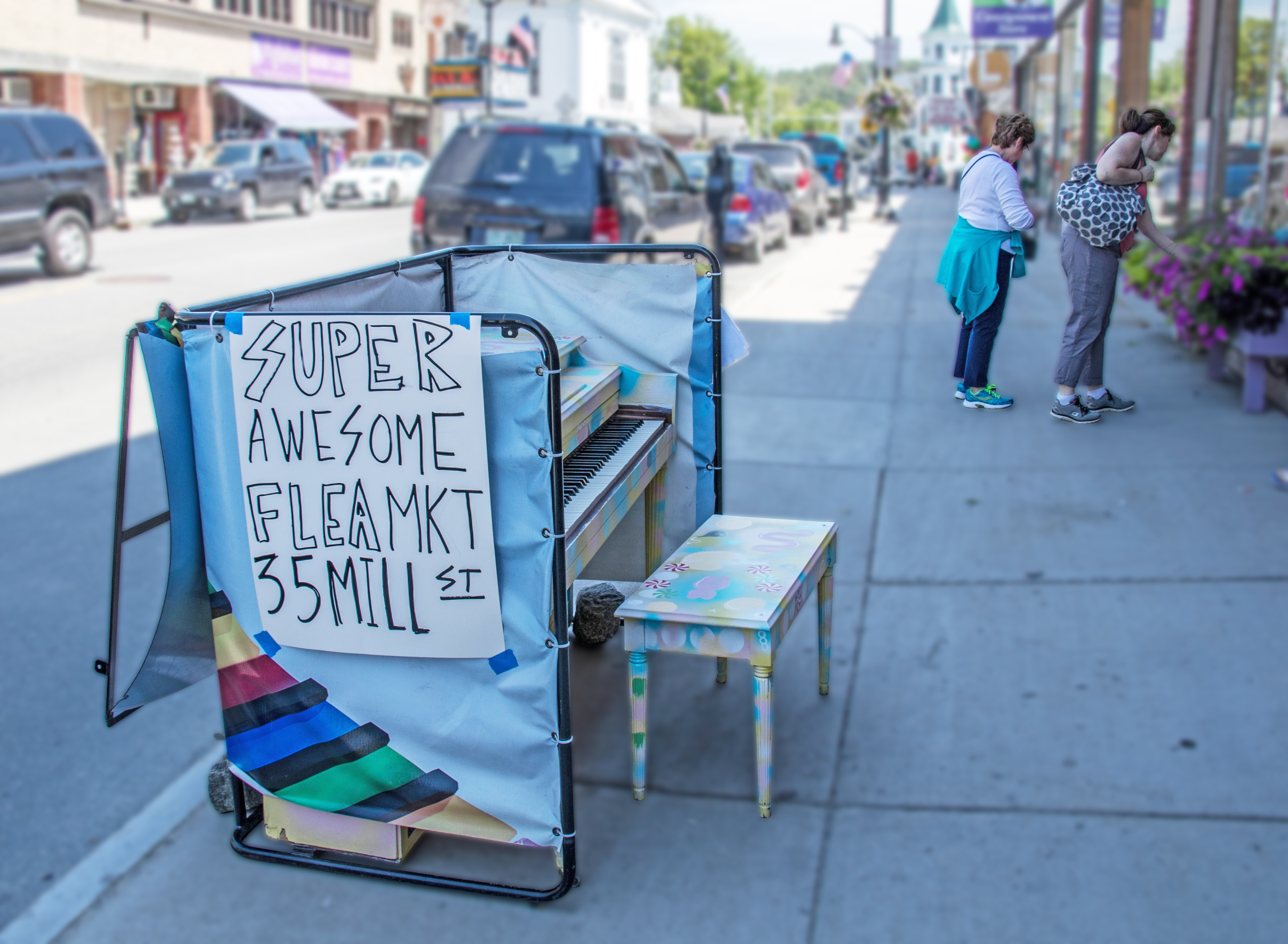
Piano Project, Littleton, NH
These projects foster a sense of ownership over the process and create moments where individuals’ direct contributions are evident and brought to life.
Even with tight budgets and growing municipal demands, New Hampshire towns can start today by focusing on small, low-cost projects that build momentum toward tomorrow’s vision. This isn’t a substitute for long-term planning; it’s a complement, one that cultivates civic pride, community engagement and a track record of success.
There are countless ways to get started. If you have a passion for gardening, consider joining a beautification committee. Recruit a local artist to work with a school group to paint a mural. Find a friend with some leftover building supplies and make some benches or a small free library. Do visitors sometimes ask where to find a trail or ice cream shop? Work with the town to install wayfinding signs.
Perhaps your town has plans to create an outdoor performance space but has been stymied by a limited budget. Suggest using a few planters and some painted pavement to get started now. Best of all, if you find after a few events that the plans need to be tweaked, the build-out isn’t yet permanent and can be adjusted to better meet needs.
Looking back, every downtown once had certain anchor stores, for example a hardware or drug store, that could almost guarantee its success. Most of those needs are now met online or at big-box stores far from downtown. Today, towns must find new ways to draw on their unique strengths and assets to attract new businesses and a reinvigorated workforce.
Franklin, NH, is doing exactly that, and the town’s efforts have begun to bear fruit. New Hampshire’s outdoor economy thrives not just because of its lakes, mountains and seacoast, but because of towns where visitors stay and play. Franklin has brought whitewater recreation together with downtown vibrancy through the Mill City Park project, which includes whitewater features constructed within walking distance of downtown.
The work involved is monumental, but many changes were modest, including the installation by local businesses of decorated benches and old kayaks repurposed as planters. Such efforts signaled that Franklin is a worthwhile place to invest.
In the past decade, historic mills have been converted to housing, two new breweries have opened, and most recently Franklin has welcomed a new coffee shop and bookstore. Franklin’s story, though, still being written, is a compelling example of how investments, including ones we can initiate tomorrow, can bring a downtown to life.
John Christ, Ph.D., is a community and economic development field specialist with UNH Cooperative Extension.