People and partnerships will shape the future of energy
What ultimately shapes the future will be the people who continue to keep homes, businesses powered
Katherine Bourque
ENERGY
By: Katherine Bourque
Artificial intelligence is having a moment. Each day brings new headlines about the promise of this emerging technology and the great benefits it may ultimately provide. Certainly, real potential exists to unlock efficiencies and wisely harness these tools in ways that better serve customers.
However, the future of energy likely will not be defined by new technology alone. Tools will change, approaches will evolve and expectations will shift, but we believe what ultimately endures and shapes the future will be the people who continue to keep homes, schools and businesses powered.
Therefore, developing the next generation of energy professionals is crucial to ensuring communities remain resilient and ready for whatever challenges lie ahead.
That work to cultivate a skilled workforce starts close to home, and it starts early.
Across the industry, we believe the most effective solutions combine technical expertise with a deep understanding of local context. Partnering with our region’s schools, universities and community programs helps develop individuals who can translate their knowledge of the communities they have called home into real-world results.
At Unitil, partnerships with institutions like the University of New Hampshire (UNH) reflect that approach. The UNH Sustainability Fellowship, for example, gives students the opportunity to engage directly with real energy challenges.
Unitil also supports programs for high school students. Competitions such as Granite State Challenge in New Hampshire and High School Quiz Show Maine challenge students to think critically, solve problems and collaborate effectively. These high school game shows cover a range of subject areas including math, science, social studies and language arts, and help students develop analytical skills that will serve them in their personal, professional and academic lives while fostering a connection to the communities around them.
Unitil also awards annual STEM scholarships to graduating high school students to help with college. Since launching the scholarship program, Unitil has awarded over 75 scholarships across the company’s service territories in New Hampshire, Maine and Massachusetts.
Direct, real-world experience is a crucial part of learning. Unitil partners with Shoals Marine Laboratory, a marine research and education facility jointly operated by the University of New Hampshire and Cornell University, to provide students with exposure to energy in a field setting.
These efforts are not about recruitment in the traditional sense. They are about building capability and continuity over time. People trained within their own communities bring more than technical skill. They understand local priorities, economic pressures and the importance of keeping essential services reliable and affordable. That understanding leads to better decisions, stronger operations and a more resilient approach to challenges.
It also strengthens the connection between utilities and the public. Energy is often invisible until something goes wrong. Building relationships early helps create trust and awareness before challenges arise, giving communities a clearer understanding of the work behind the services they depend on every day.
Technology will continue to evolve, and new tools we haven’t even contemplated will further alter how energy is delivered in the years ahead. But it will never fully remove the need for skilled people who can apply judgment, respond in real time and adapt those tools in real-world conditions.
The utilities that will continue to succeed in their core mission of providing service to customers are the ones that invest not only in infrastructure, but in people. They build pathways from classrooms to careers, offering opportunities for students to tackle real challenges while staying connected to the communities they serve. A locally developed workforce is not just an advantage; it strengthens resilience and is a complement to emerging technology.
The difference between having the right technology and being able to apply it strategically will come down to people. Utilities that close that gap will be the ones that invest early, build strong partnerships and take a long view of workforce development.
What comes next will take shape in classrooms, in communities and in the everyday decisions made by people who understand what is at stake.
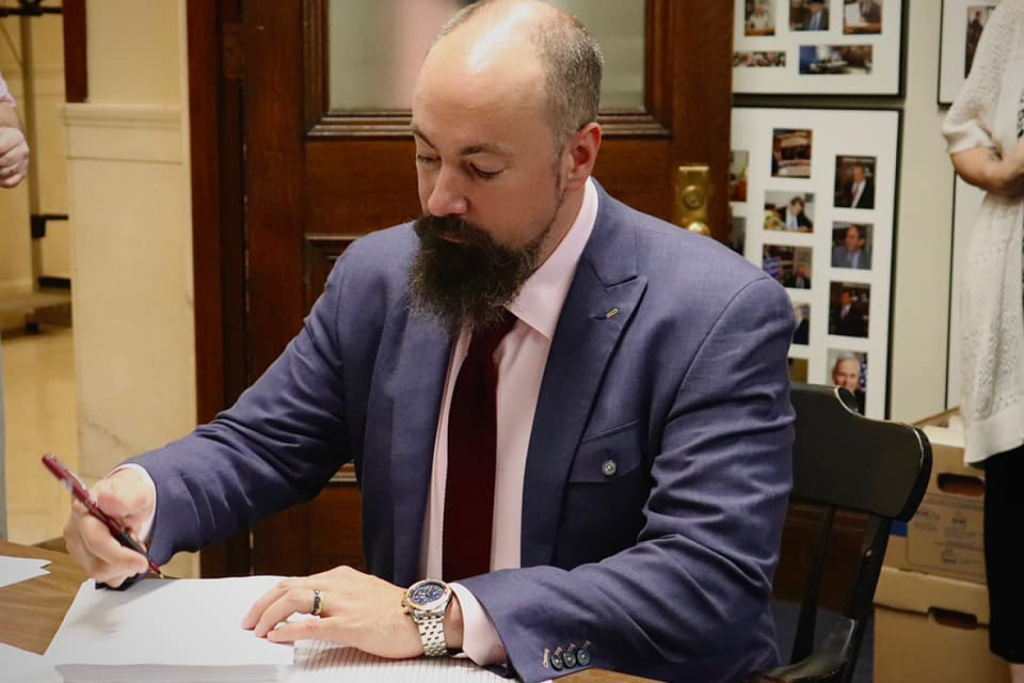
Katherine Bourque is chief customer officer for Unitil. She resides in Manchester, NH.