The write stuff: 603 Writers Conference keeps it real
If you think artificial intelligence is the path to literary success, Masheri Chappelle has a message for you: Look into the mirror instead.
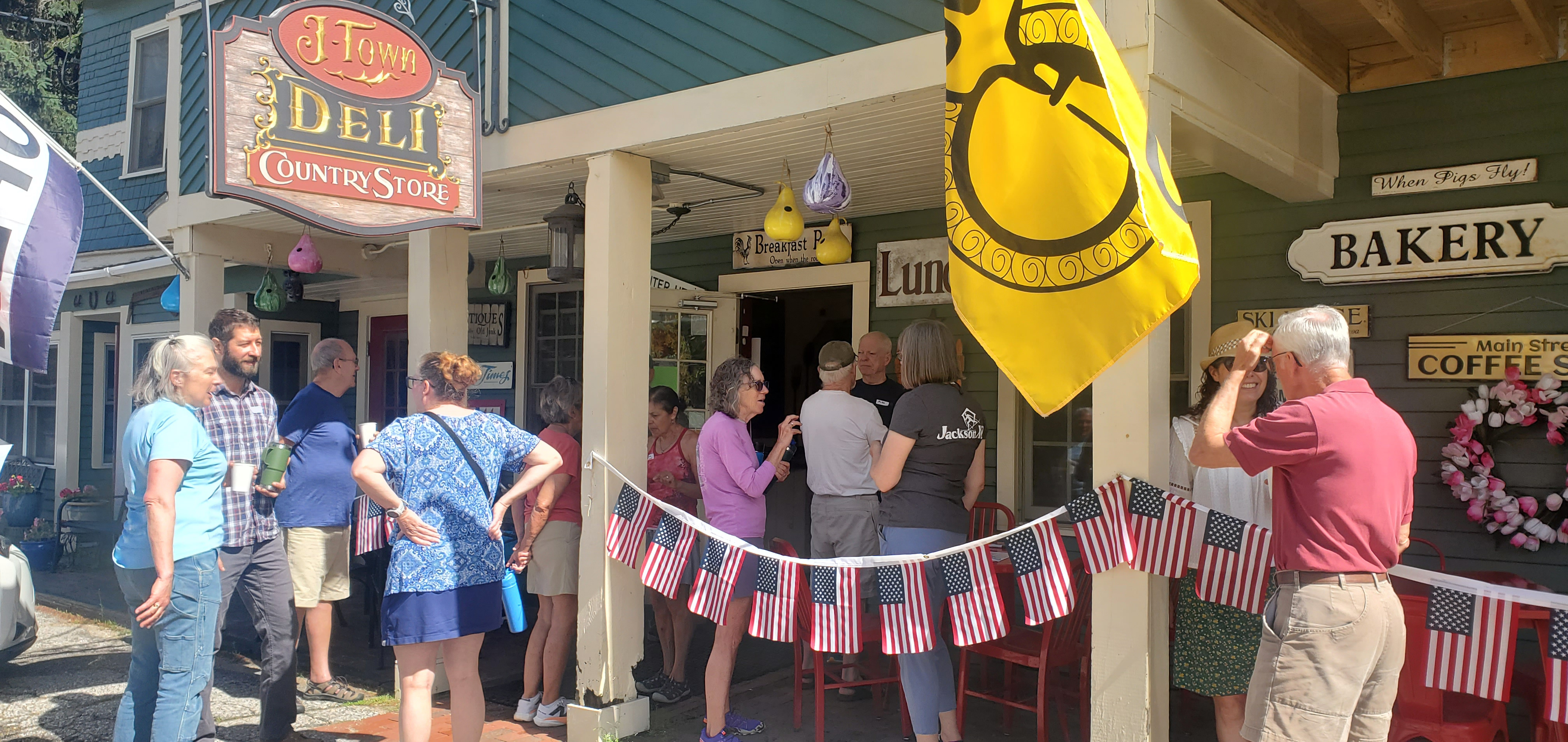
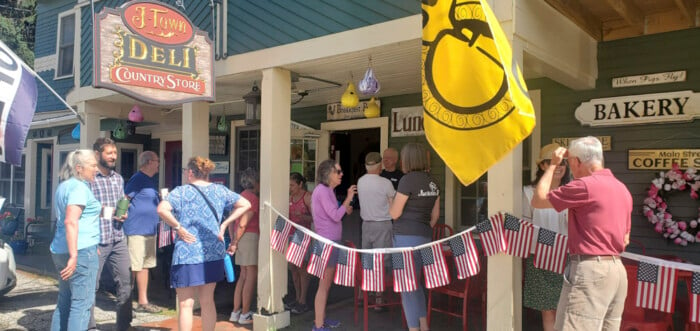
The J-Town Deli and Country Store in Jackson is owned by Genn Anzaldi, a relatively new member of the group Valley Originals, a collective of about 25 independently owned restaurants in the Mount Washington Valley region. (Courtesy)
The first tavern in New Hampshire opened in 1789. Or, at least, the first tavern that has kept up with its marketing efforts enough to still be recognized as the first tavern in New Hampshire opened in 1789.
Like so many food establishments of the colonial era, Fox’s Tavern in Hancock was a community hub for locals and travelers alike. In “The History of Hancock, New Hampshire, 1764–1889,” William Willis Hayward writes about notable early citizens of the town who would gather at the tavern to enjoy a warm fire, lunch, hot toddies and thoughtful conversation with each other.
While the Hancock Inn and its modern-day version of Fox’s still exists, the role of the restaurant has shifted. You can still get a good meal, but typically, more people are going in with the intention of only speaking with the small group they came with.
This, Eric Cacciatore believes, is a problem. Cacciatore is the host of the podcast “Restaurant Unstoppable,” for which he’s interviewed over a thousand people in the restaurant industry to get their business advice. When asked what the most successful folks he’s spoken to have in common, Cacciatore says it’s the ability to bring back some of that old-school community vibe.
“We were literally the center of town,” Cacciatore says of restaurants back in the day, noting that he thinks people could use that type of third space — a place that’s not home or work — a lot right now, especially in rural areas. “People need to go to a central place to be around others. We hunger for it.”
But with building that third space comes a range of challenges that the proprietors of Fox’s likely didn’t face 237 years ago. The biggest one, restaurant owners said for this story, are record-setting high prices — of ingredients, of fuel, of everything.
“Everybody’s broke,” says Jeremy Hart, co-owner of Industry East and Stashbox in Manchester. “The owner’s broke, workers are broke. We all have less money.”
One example of the factors leading to broke-ness: The electric bill at Industry East has gone up 120%, making it more expensive than the rent for the space.
“On top of that, our potential guests are paying more for everything, too,” Hart says. “The hardest part is getting people to still come out.”
Still, the decision to focus on building community is one part of the notoriously low-margin restaurant industry that owners have complete control over. “At the end of the day, it’s all about relationships. I think the people who figured it out have a really good culture,” Cacciatore says. “It’s not about making food, it’s not about creating experiences, it’s about developing people and growing relationships.”
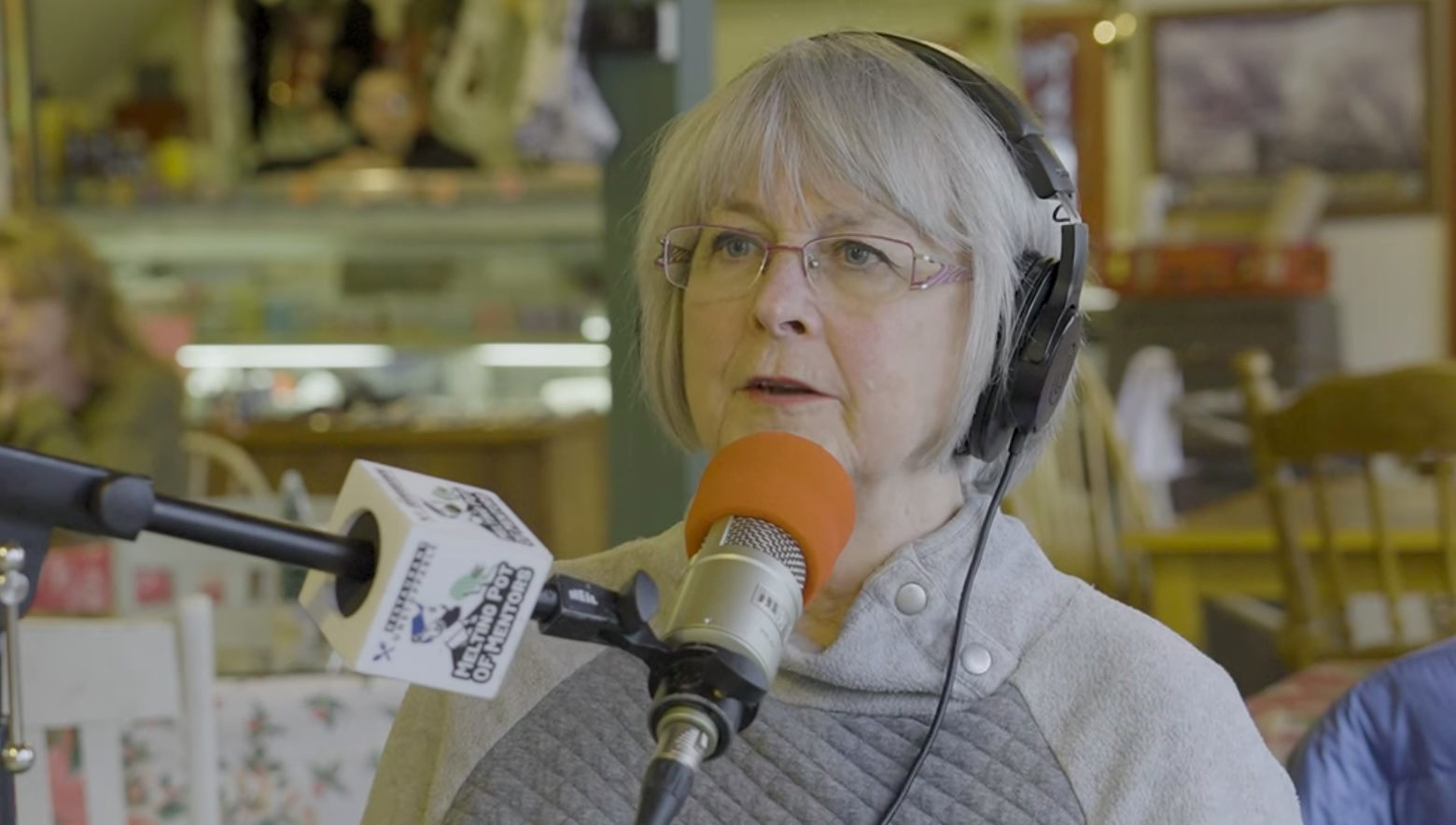
Terry O’Brien, the former owner and general manager of the Red Parka Steakhouse & Pub in Glen, was named president of The Valley Originals last year. (screenshot “Restaurant Unstoppable” podcast)
Building community with other restaurants
Several people interviewed for this article brought up the rising tide that purportedly raises all boats. Community between restaurants is, at least anecdotally, a fairly common occurrence in New Hampshire.
Up north, The Valley Originals has formalized the interestablishment camaraderie. Terry O’Brien, the former owner and general manager of the Red Parka Steakhouse & Pub in Glen, was named president last year.
Founded in the mid-1980s by Dewey Mark (O’Brien’s father), Wally Campbell and Rick Luciano, it’s a collective of about 25 independently owned restaurants in the Mount Washington Valley region. By banding together, the group’s members are able to share business strategies as well as benefit from discounts that come with bulk supply and utility orders.
O’Brien says the founders got the idea from visiting cities with similar groups in other parts of the country. “We were at the point where there were so many chain restaurants moving into the Mount Washington Valley that we thought this was a good way to get on an even playing field as far as our buying power goes,” she says.
At the time the group started, this idea of working together as individual restaurants was “very unusual,” O’Brien says. “We were supposed to be rivals, but it turned out we all had the same issues. So being rivals wasn’t even considered; we all just worked together.”
Genn Anzaldi, who owns J-Town Deli and Country Store in Jackson, is a relatively new member to the group. “I kind of hounded (Valley Originals) to let me in,” Anzaldi says.
Now the group’s director and marketing manager, she quickly runs through the requirements to join: A restaurant must be independently owned and operated, have been open for at least three years, and be in good standing as an employer. All members must buy into the group’s marketing efforts and “proudly display” the Valley Original flag: a yellow and black design that identifies member establishments. Also, the food has to be good.
This system works particularly well in the often-visited Washington Valley region of the state.
“Nobody, if they’re on vacation, is going to eat at the same place every single night,” O’Brien says. “We just tell people, eat where you see the golden yellow flag.”
While there’s no official Valley Originals-type group in Manchester, Hart and his business partner, Dan Haggerty, have done plenty of collaborating with other local eateries, both for special restaurant events and to support each other’s staff during particularly hard times.
The crossover events have included a surf and turf night with Bobby Marcotte of Tuckaway Tavern (Stashbox was in charge of the surf, while Marcotte handled the turf); pop-ups with DeadProof Pizza Co. (DeadProof did “pizza and tendies,” while Stashbox did some of their signature apps); and an April brunch with 815 Cocktails & Provisions (“It was freezing out that day and people were still sitting outside, saying, ‘This is awesome’,” Haggerty recalls).
The collaborations are a great way to expose the regulars of one spot to another place they may not have gotten to try yet. “Even if (the restaurant owners) didn’t monetarily that day make a million dollars, they’ve gained at least a few new customers that didn’t know they existed or weren’t sure about visiting them,” Haggerty says. Like the founders of the Valley Originals, Haggerty and Hart see the merit in treating people who are competitors on paper as valuable sources of knowledge.
For those who haven’t found their own local community, or perhaps are just getting started in the industry, Cacciatore just launched a website, RestaurantUnstoppable.com, that aims to facilitate some of that knowledge-sharing between independent restaurant owners.
It’s free to join and access, though some features — like leaving reviews of a company or mentor program — require a $7.99 monthly membership. That also gets you access to a giant group purchasing organization (GPO) where you can get discounts on software for the restaurant industry. Individual mentors also are available to book 1-to-1 calls, usually for an hourly fee.
The idea was inspired by the answers he got to the final question he asks on every episode of his podcast: “Who do you respect and admire and think I should make an example of?”
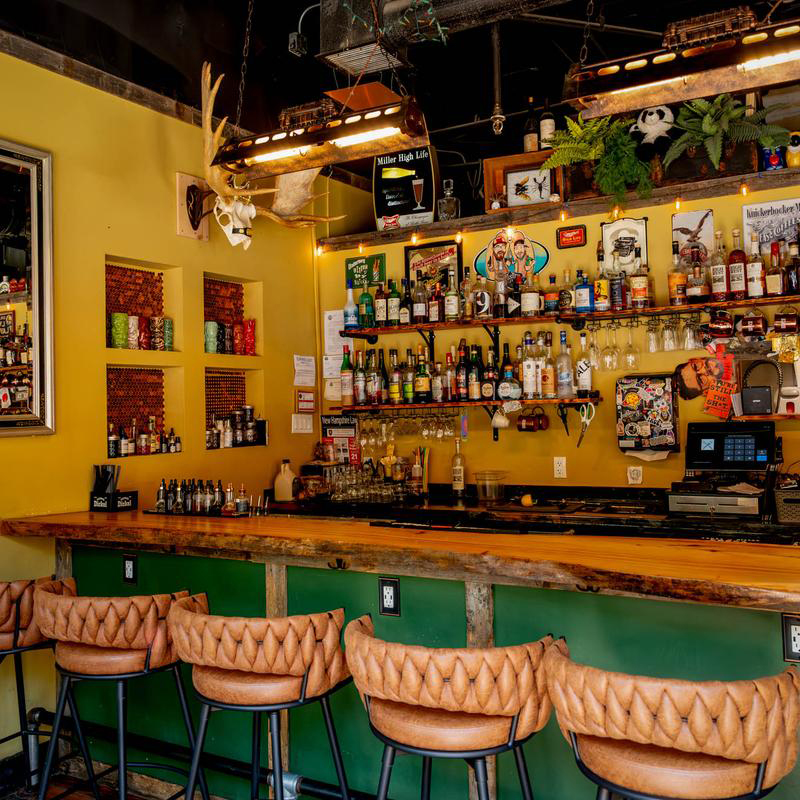
Industry East, a craft cocktail bar, opened on Hanover Street in Manchester in 2021. (Courtesy)
Building community with customers
It’s nice to have camaraderie between independent businesses, but ultimately you need other members of the community to come and spend their hard-earned dollars. “Eighty percent of your revenue will come from 20% of your guests,” Cacciatore says of the importance of regulars. “If you can get that 20% to come back once a week, you’ll never have to market your restaurant.”
Haggerty agrees, although he calls out that the word of mouth those 20% of guests provide is perhaps even more important than the fact that they come in every week.
“Obviously 20% of the people aren’t paying your bills constantly, because that would be insane. They would have to be buying the entire menu every night,” he says. “But (those regulars) are telling people about you, they’re there a lot, they’re posting that they’re there. People that have never been in will see that, ‘Oh, I did mean to go there for years.’”
Haggerty and Hart first started working together at the original location of The Birch on Elm in Manchester when it opened in 2016. “(That restaurant) became a new spot looking for what The Birch was offering, which was not really around here,” Haggerty says.
Hart echoes that. “To get craft cocktails or creative food, you had to leave New Hampshire and go to Boston, go to Portland, go to Burlington,” he says, noting that he was also leaving town to find exciting new dishes. “We thought, ‘Manchester can have this!
Manchester can have nice things!’” Haggerty says.
When the pair opened their first joint venture, the cocktail bar Industry East, they wanted a similar feeling. “We were already in the community, so we just made another place for everyone to go,” Haggerty says.
Giving back to the community has been a pillar of The Valley Originals’ mission since its inception. When asked why, O’Brien says simply, “The community is what has kept the independent restaurants going all these years.” Members are required to donate discounted gift certificates every year, which the group sells to raise money for local nonprofits. Anzaldi says the group donated around $433,000 in just the past year.
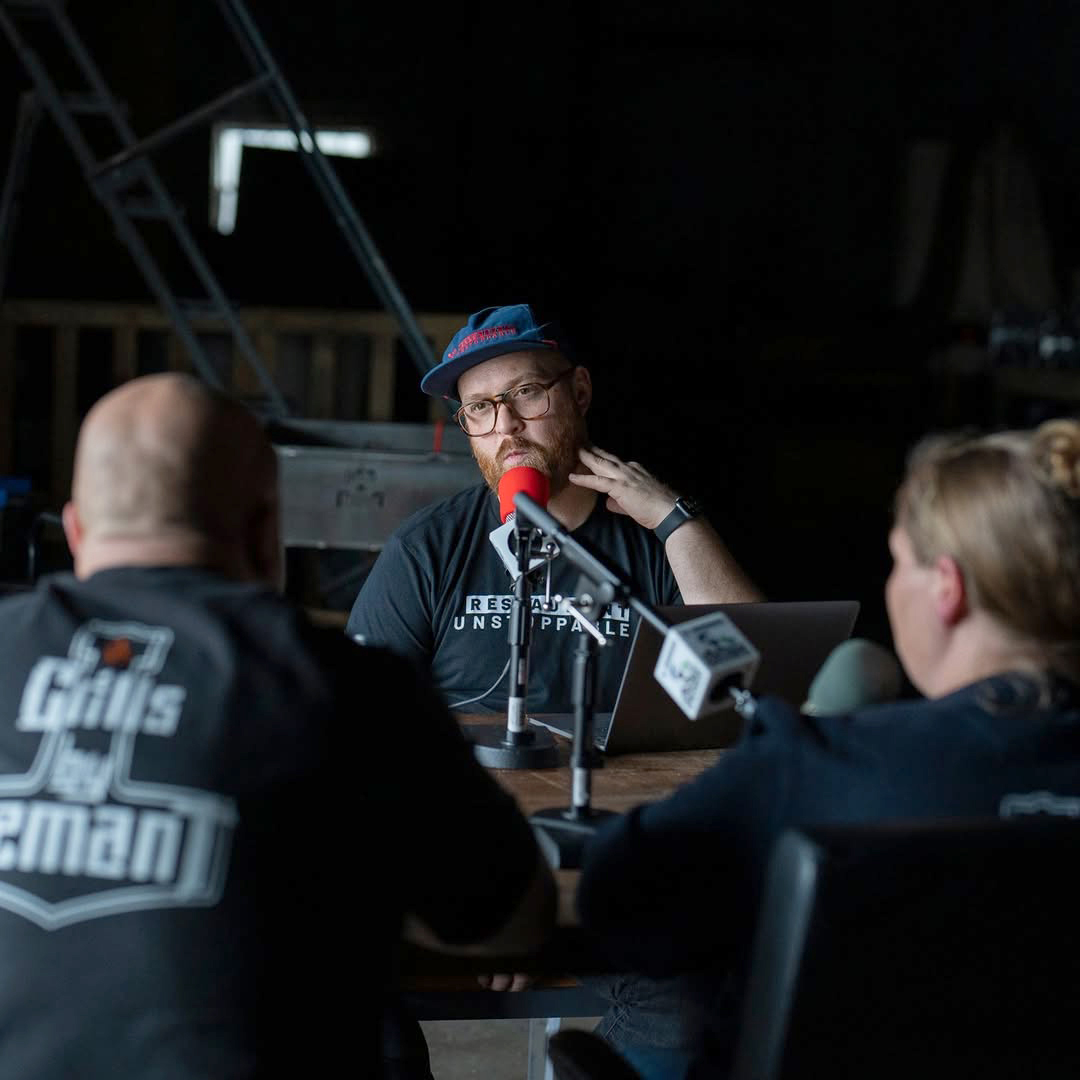
Eric Cacciatore is the host of the podcast “Restaurant Unstoppable.” (Courtesy)
Building community among employees
Everyone interviewed for this story agrees that building an environment where people actually want to come to work is key to keeping good employees — which, in turn, is key to creating a place that customers want to visit.
“You’ve got to be invested in your staff,” O’Brien says. “And yes, some of that includes paying higher wages.” She started paying dishwashers $15 an hour right after COVID, and says they’re getting $20 an hour now. She also started a Roth IRA program that employees could opt into.
“You’ll do anything to keep your good employees,” she says. In addition to donating those discounted gift cards for charity, O’Brien says Valley Originals members share certificates with each other, so owners can give those out to their staff.
Beyond the (important) financial compensation, Anzaldi says owners need to remember to treat each employee as an individual person. “When you go to work, you’re not just going to the office to go to work; you’re checking in with everybody there,” she says. “You’re asking about their grandchildren … If somebody (has) to move but they don’t have enough money for security deposit and they come to you and say, ‘Can you give me an advance?’ You’re there to help them out.”
Hart and Haggerty celebrate their staff with a couple of special outings, including an annual holiday party and a group day off in the summer where the team went to the beach and had a late lunch together. They say this helps the team form bonds that make them want to support each other once they’re back on the clock.
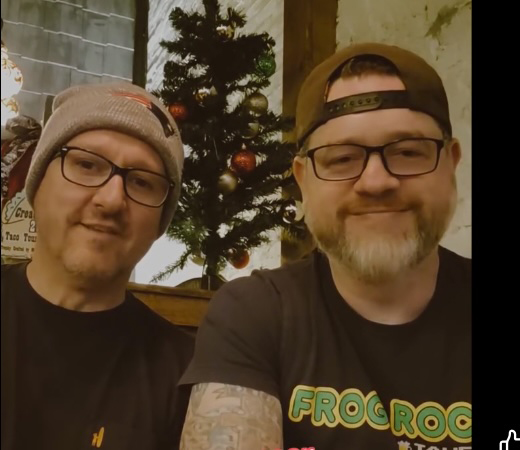
Stashbox/Industry East, Jeremy Hart, left, and Dan Haggerty (Facebook)
“It has to be fun, but it’s still work,” Haggerty says.
“When you see your co-workers doing a good job, that makes you want to do a good job, and then you can see that reflected in your customers, because they come back and they have a nice time. Yes, at the end of the day, it is work, but it’s a restaurant. You should be having fun. When the doors open, that’s the whole goal. You’re there to be bubbly and talk to people.”
Doing the work to build community inside and out of the restaurant can ultimately create an environment that gets people coming back, even when times are tough. “People want to go out. They do,” Haggerty says. “They just can’t (always) afford it. It’s a weird time for sure.” But becoming someone’s favorite spot to find community could mean you’re the one place they make sure to budget for every month.
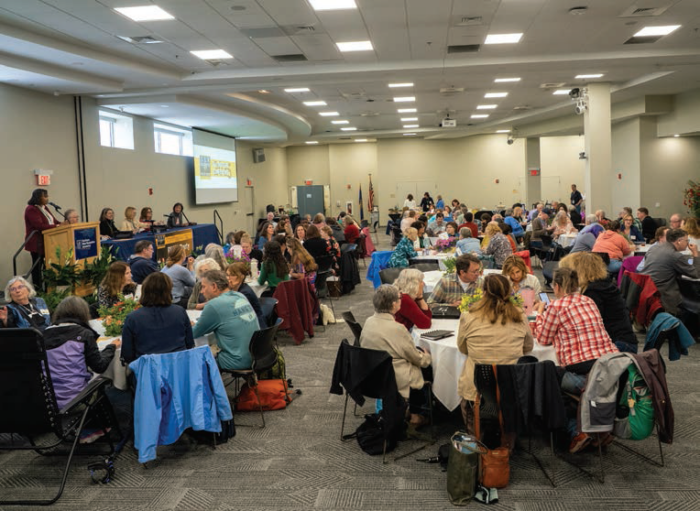
If you think artificial intelligence is the path to literary success, Masheri Chappelle has a message for you: Look into the mirror instead.
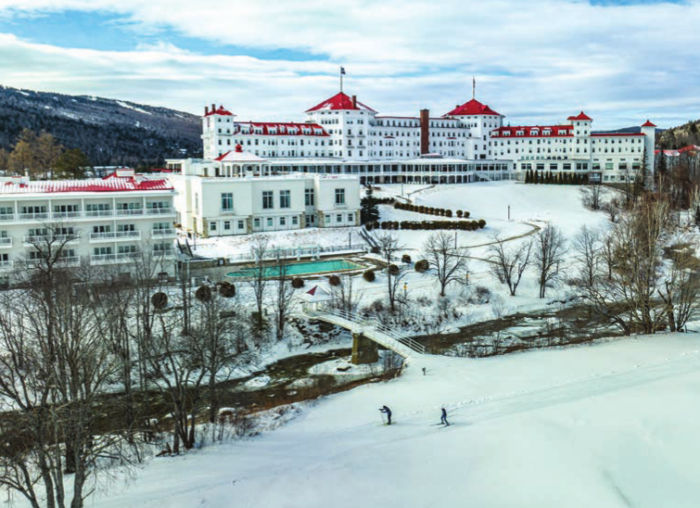
This coming winter, Bretton Woods skiers and riders will enjoy key improvements — a double-black-diamond glade named Mom Said No and a new four-person chairlift added last year, and this year, expanded snowmaking, increased Nordic grooming and a relocated terrain park.
The first tavern in New Hampshire opened in 1789. Or, at least, the first tavern that has kept up with its marketing efforts enough to still be recognized as the first tavern in New Hampshire opened in 1789.
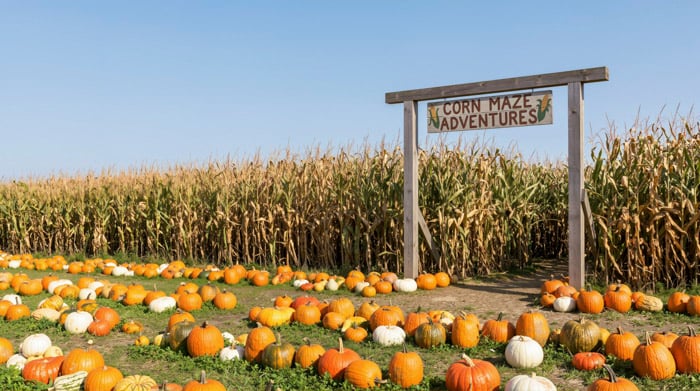
Agritourism has become an important business option for many farms in New Hampshire and across the country. Exactly what is agritourism?

The Honor Summit, a four-day commemoration of the 25th anniversary of the Sept.11, 2001, terrorist attacks, features dual towers of light designed to be visible from as far as 135 miles away from Mount Washington.
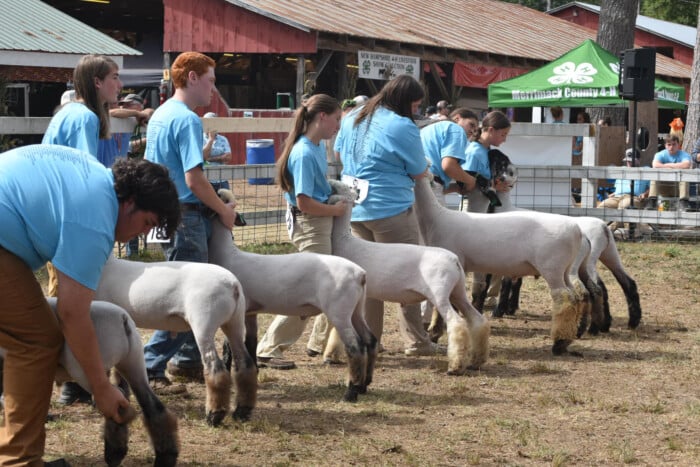
New Hampshire employers are seeking polished professionals with real-life experiences, but they may have to look beyond the traditional recruiting methods to find them. One example of an overlooked workforce development program is the NH 4-H Livestock Auction.
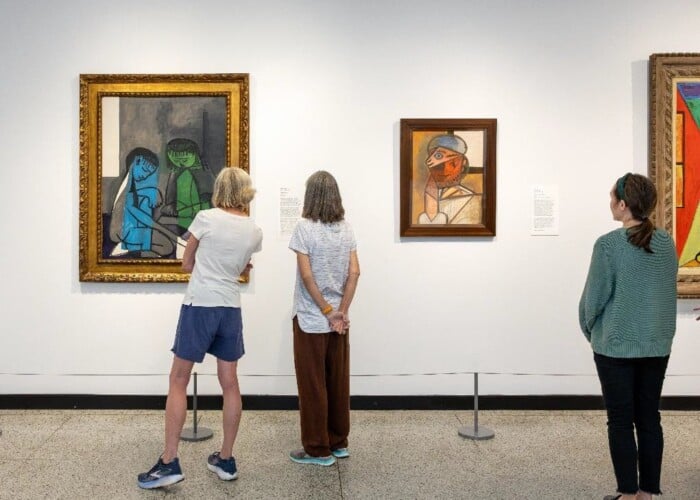
Two paintings by Pablo Picasso made their debut at a public institution this month in New Hampshire. On loan from private collections, “L’Homme au béret basque” and “The Two Children” are now on view at the Currier Museum of Art in Manchester through the end of October.
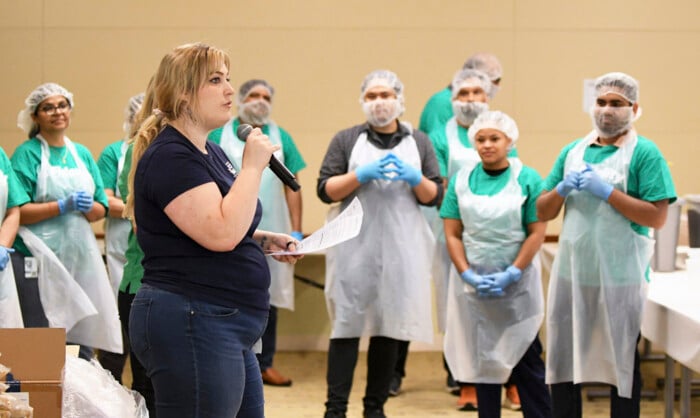
Hybrid and remote work models continue to boom in the Granite State

The Currier Museum of Art is expanding ArtLab, its hands-on, after-school STEAM partnership with Nashua Public Schools, after a pilot year that reached 58 students at four schools and connected classroom learning with art on view at the museum.