What agritourism means for New Hampshire
Agritourism has become an important business option for many farms in New Hampshire and across the country. Exactly what is agritourism?
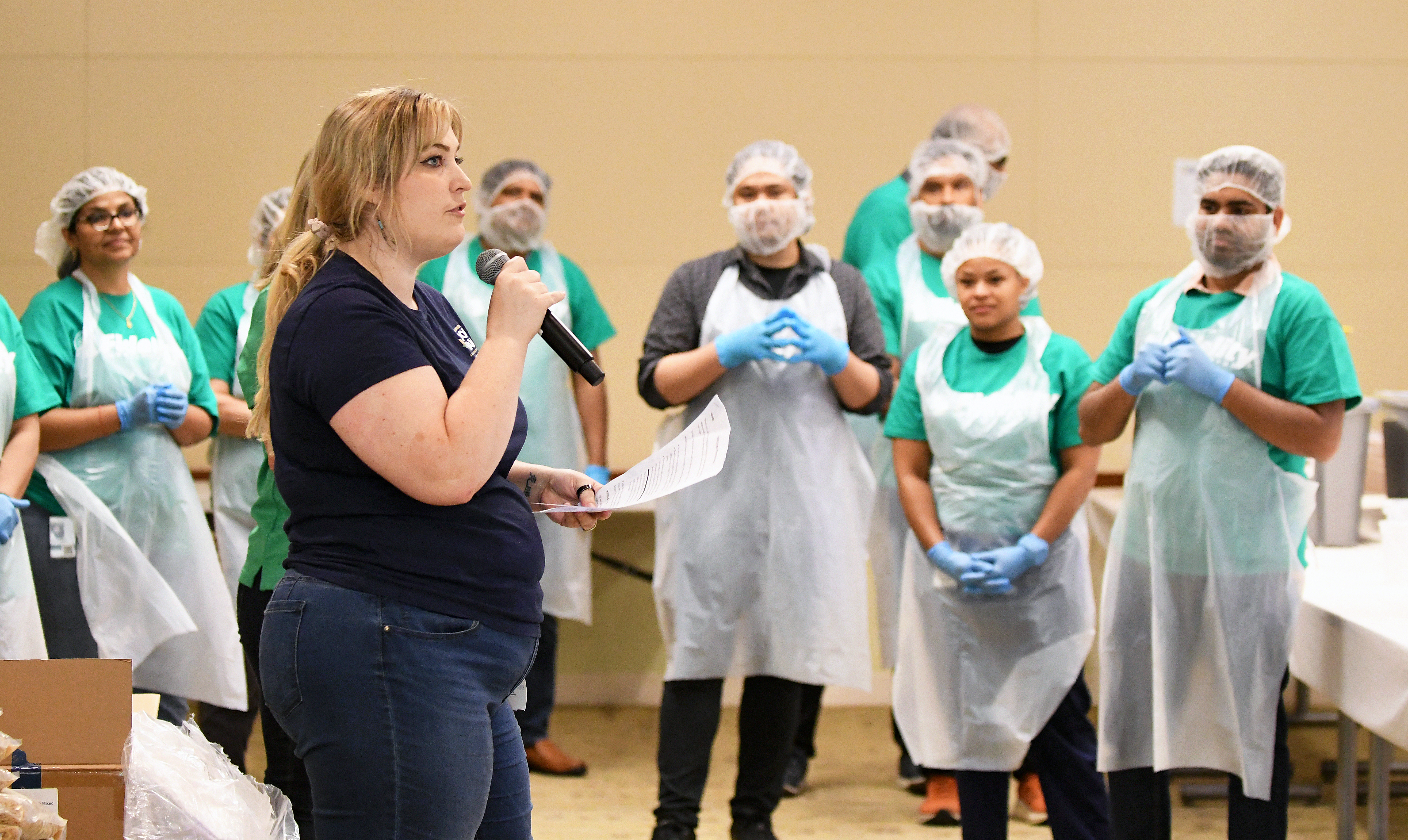
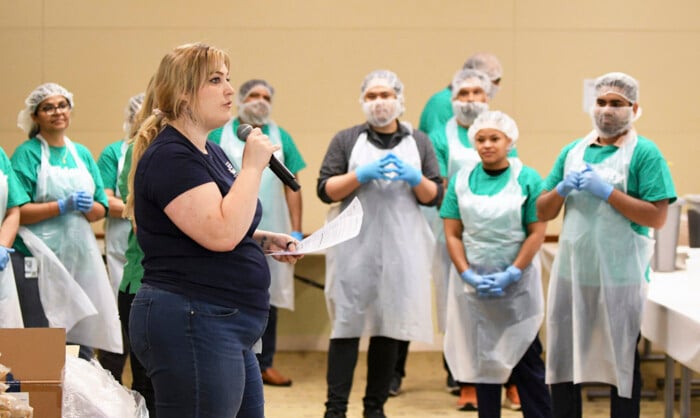
Ashleigh Nelson of the New Hampshire Food Bank gives instructions to Fidelity employees prior to the start of packing food boxes at the Fidelity facility in Merrimack in June, when 480 volunteers working in shifts prepared 50,000 meals. Fidelity is among employers in New Hampshire that are ordering most workers back to the office full time. (Photo by Jodie Andruskevich)
Six years after COVID-19, remote work and hybrid work models are holding steady in the Granite State in alignment with national trends. In some cases, New Hampshire even surpasses national trends in hybrid work opportunities.
According to a new report from Robert Half, which analyzed hybrid and remote job postings across the United States, New Hampshire ranked fourth among the top five states that showed the highest prevalence of hybrid roles in the first quarter of 2026, at 19%, tied with Washington. Other states topping the list were Minnesota, Massachusetts and New York.
Before COVID-19, the number of New Hampshire residents in the labor force working remotely was 7.3% in 2019, according to data from the 2024 U.S. Census Bureau’s American Community Survey. That same survey had showed that, since COVID-19, that number held steady at 16% in 2023 and 2024.
“A sampling of three rounds of surveys from 2024 suggest that New Hampshire’s hybrid work estimates are not appreciably and consistently different from the national averages,” said Phil Sletten, research director at the New Hampshire Fiscal Policy Institute (NHFPI).
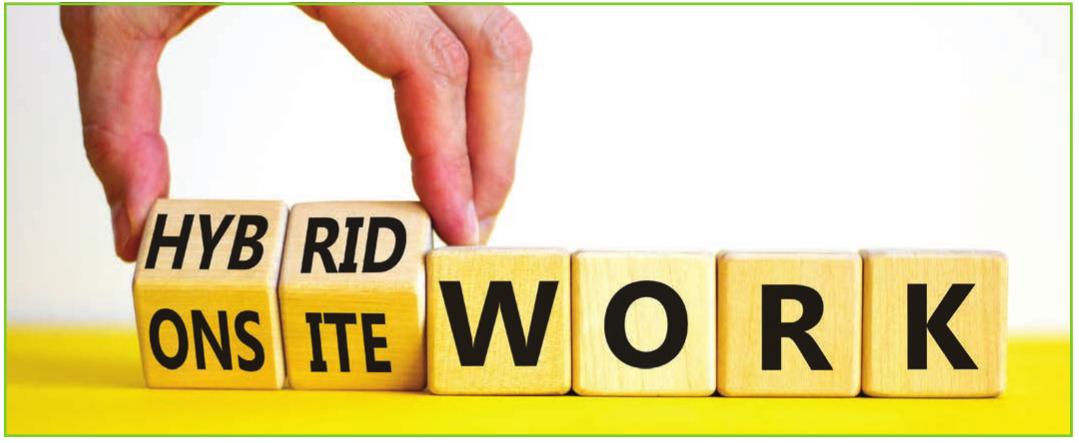
Nationwide data from Owl Lab’s “State of Hybrid Work 2025” report similarly found a year-over-year increase in hybrid work models. According to that survey, 73% of workers reported that their companies have not changed their remote or hybrid policies in the past year, indicating that hybrid work has stayed intact.
“This year’s findings reaffirm what we’ve seen over time: Hybrid work isn’t a trend; it’s a lasting shift,” Owl Lab stated. “Employees and employers alike are prioritizing flexibility, often willing to trade compensation or quietly sacrifice productivity to protect it.”
BAE Systems is among the larger companies in New Hampshire that offers hybrid opportunities.
“Hybrid work is well established across the company and is an important part of our culture and talent strategy,” said Amy Clefisch, vice president of human resources for the company’s electronic systems sector, based in Nashua.
Clefisch said BAE Systems is “committed to flexible, supportive work environments that keep employees connected to our missions, while maintaining work-life balance.” She said that eligibility for hybrid arrangements is determined by “customer needs, security requirements, program demands and team dynamics.
Some roles require on-site work, because they involve classified information or specialized equipment in secure or technical facilities.”
Certain sectors and job roles are more suitable for hybrid work than others. Data from Flex Index for the third quarter of 2025 showed that the top five sectors that are most suitable for hybrid work models are technology, insurance, professional services, media and entertainment, and financial services.
Eversource Energy, another company in New Hampshire that offers hybrid opportunities for certain roles, states on many of its available job postings that “eligibility is based on job responsibilities, operational needs, nature of work and team dynamics.”
Employees are required to work “at least three days in the office, including Tuesdays and Wednesdays, with the third day set by the employee and supervisor based on department needs,” Eversource stated.
Compared to nationwide data, the numbers vary on how often employees with hybrid work schedules head into the office. According to the Owl Labs report, 39% of employees reported going into the office three days a week, while 34% reported going into the office four days a week.
Additionally, data gathered from the Flex Index report showed that the most popular mandated office days are Tuesday, Wednesday or Thursday. Fridays were lowest on that list.
The current state of hybrid and remote work environments has resulted in changes to physical office spaces as well. According to Collier’s 2024 “New Hampshire Industrial and Office Market Review and Outlook” report (the most recent year of available data), vacancy rates in the office market in New Hampshire “remained relatively steady,” which the report attributed to “ongoing adaptation to hybrid work models.”
Some companies are reverting back to prepandemic working models, however. Boston based financial services company Fidelity Investments announced in April that New Hampshire is one of four Fidelity sites that will transition to a full-time, on-site schedule, beginning in September.
“Fidelity’s belief is that being physically together creates more opportunities for a meaningful associate experience filled with connection, mentorship and learning — elements that are central to our long-term success,” a company spokesperson earlier told NH Business Review via email.
Nationwide survey data indicates that remote and hybrid work arrangements provide employers access to a wider talent pool and help retain current employees, however. According to the Owl Labs survey, 37% of workers said they would not accept a job offer if the employer did not allow for flexible working hours, while 34% answered the same for employers that require employees to work in the office full time.
Given the steady trend of remote and hybrid work arrangements in the Granite State, it’s important that employers continue to strike the right balance between meeting the unique demands of their business and sector while meeting the expectations of today’s remote workforce.
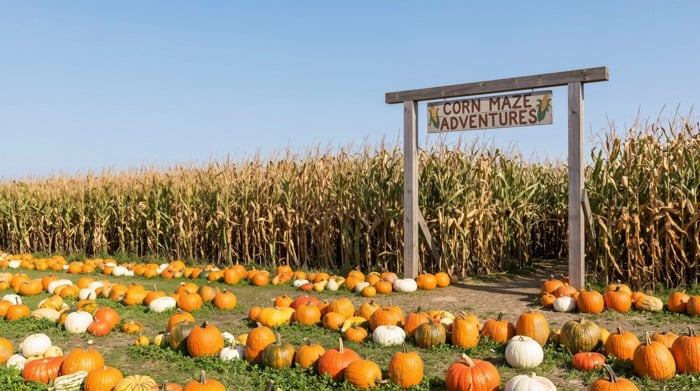
Agritourism has become an important business option for many farms in New Hampshire and across the country. Exactly what is agritourism?

The Honor Summit, a four-day commemoration of the 25th anniversary of the Sept.11, 2001, terrorist attacks, features dual towers of light designed to be visible from as far as 135 miles away from Mount Washington.
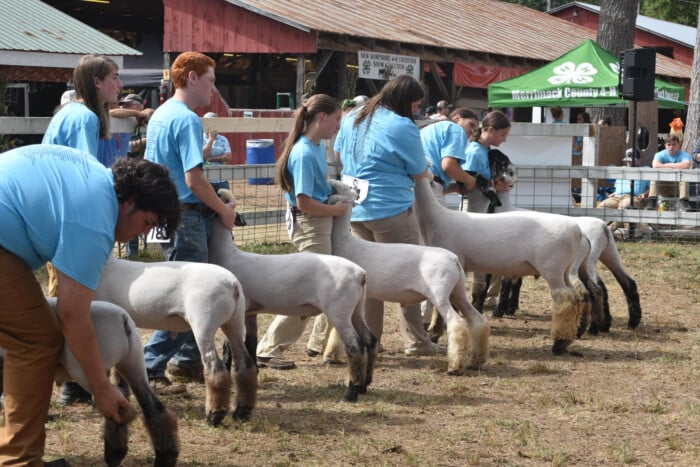
New Hampshire employers are seeking polished professionals with real-life experiences, but they may have to look beyond the traditional recruiting methods to find them. One example of an overlooked workforce development program is the NH 4-H Livestock Auction.
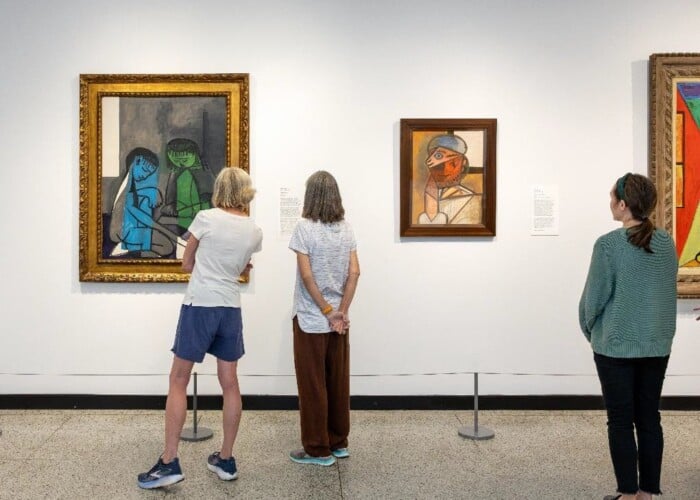
Two paintings by Pablo Picasso made their debut at a public institution this month in New Hampshire. On loan from private collections, “L’Homme au béret basque” and “The Two Children” are now on view at the Currier Museum of Art in Manchester through the end of October.
Hybrid and remote work models continue to boom in the Granite State

The Currier Museum of Art is expanding ArtLab, its hands-on, after-school STEAM partnership with Nashua Public Schools, after a pilot year that reached 58 students at four schools and connected classroom learning with art on view at the museum.

When New Hampshire Fisher Cats General Manager Taylor Fisher was hired on Halloween of 2024, his bosses at Diamond Baseball Holdings (DBH) advised him to use his first year on the job to observe and evaluate the organization, and figure out what needed to be tackled.
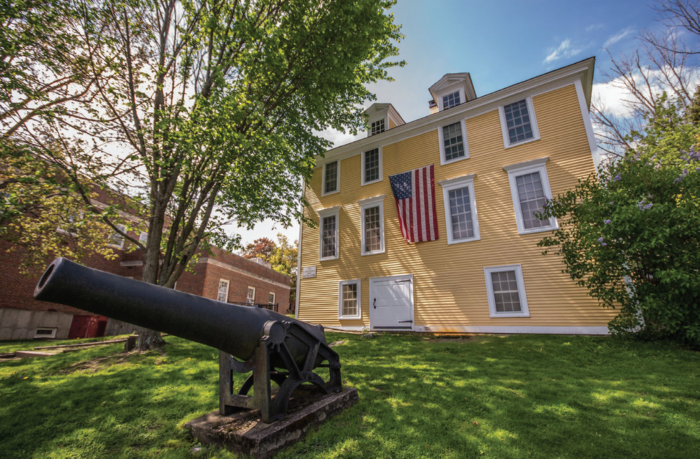
Awards include properties that remain in active use after restoration

Vibrant downtowns are vital to New Hampshire’s economy, helping to attract and retain workers and fuel the cultural experiences that drive tourism. It is typified by a mix…