What agritourism means for New Hampshire
Agritourism has become an important business option for many farms in New Hampshire and across the country. Exactly what is agritourism?

Agritourism has become an important business option for many farms in New Hampshire and across the country. Exactly what is agritourism?
Interestingly, definitions vary by state, which can have legal implications. New Hampshire law (RSA 21:34-a) defines agritourism under “marketing” — essentially, means of attracting visitors to a farm to attend events or activities that are accessory uses to the primary farm operation.
This might include meals or overnight stays on the farm, enjoying the farm environment, or learning about the farm’s operations. The term “accessory use” is key. To call the activity agritourism, officially, in the Granite State, the operation hosting the activity has to be a producing farm first and foremost.
The term “agritourism” may be relatively new, but the concept is not — you can go back decades in the U.S. to find city dwellers visiting the country for summer getaways, and where were they staying? Very often on local farms.
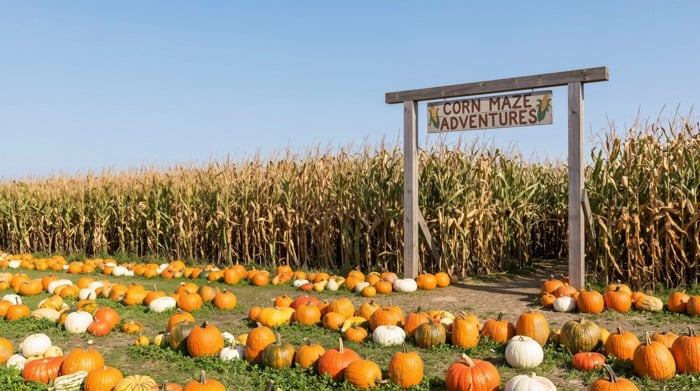
A classic on-farm activity and experience is pick-your-own (PYO) apples, berries, flowers or Christmas trees. Farm stays, corn mazes, tours, farm camps, farm-to-table dining, petting farms, hay/sleigh rides and events are other popular NH agritourism activities.
There has been a documented resurgence of interest in agritourism in recent decades. What’s driving this interest is farms desiring to meet and take advantage of consumer demand, while also diversifying their income. Farming alone can be tough business in today’s world, and consumers are interested in authentic culture, heritage and hands-on, experiential opportunities that the whole family can enjoy.
According to the U.S. Census of Agriculture, national agritourism revenue grew from about $200 million in 2002 (the first year agritourism was counted in the census) to more than $1.2 billion in 2022. This value is still a relatively small amount (5.7%) compared to total farm revenue, but its consistent growth shows more farms adding agritourism activities every year.
NH statistics show similar growth. In 2002, 16 NH farms reported $265,000 in income from agritourism. In 2022, 156 farms reported $4.5 million in income. The value of agritourism has been steadily growing in that 20-year time frame, and in 2022 it accounted for about 14% of total farm-related income in NH.
NH Food Alliance’s 2025 NH Food and Agriculture Strategic Plan outlined a variety of challenges that agritourism operators may face. Many farms only make minimal or moderate income from agritourism. On top of farming skills, agritourism requires knowledge of hospitality, marketing and visitor risk management.
Yet, there’s nothing quite like the taste of an apple you picked yourself or the smell of a hayride under falling autumn leaves. These experiences can be unique ways for people to explore the state and develop a better understanding of food systems.
For farms interested in pursuing agritourism, UNH Cooperative Extension, the NH Department of Agriculture, Markets, and Food and other organizations help operators get past hurdles by offering technical assistance on topics ranging from food processing to Christmas tree pruning.
One thing that has changed over the years is that agritourism activities were once mainly ways to draw people to the farm so they could then buy the products of the farm. Selling the farm’s products is still important, but now many agritourism activities have become standalone income generators for the farm and crucial to the farm’s bottom line.
Many New Hampshire residents are familiar with how this shift can create conflicts at the local level, as farms may increasingly rely on activities like weddings and concerts, which may generate concerns about traffic, noise pollution, environmental impacts and changes to rural character.
These considerations can be seen as both challenges and opportunities for agritourism. Statewide, communities have watched land that was traditionally used for agriculture become developed or subdivided for other commercial or residential uses. Agritourism is uniquely positioned to adapt to agricultural industry changes and emerging consumer interests, while also providing an enduring connection to farming and rural heritage.
Agritourism is an important way to encourage visitor spending across all of New Hampshire’s counties, but it is also about much more than just tourism. It’s a strategy for farms to stay viable in a changing landscape and a way for residents to appreciate their local farmers, food traditions, back roads and rural way of life.
Gail McWilliam Jellie works with UNH Extension’s Food & Agriculture team and previously served as the director of agricultural development with the NH Department of Agriculture, Markets & Food. Jada Lindblom, PhD, is an economic development state specialist with UNH Cooperative Extension and an associate extension professor of recreation management and policy at UNH.
Agritourism has become an important business option for many farms in New Hampshire and across the country. Exactly what is agritourism?

The Honor Summit, a four-day commemoration of the 25th anniversary of the Sept.11, 2001, terrorist attacks, features dual towers of light designed to be visible from as far as 135 miles away from Mount Washington.
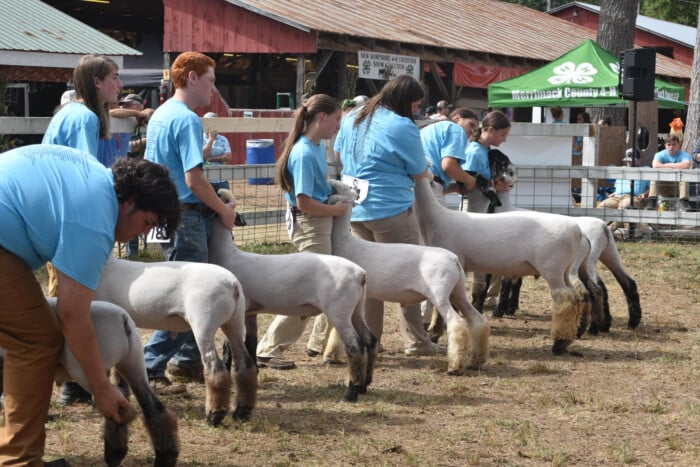
New Hampshire employers are seeking polished professionals with real-life experiences, but they may have to look beyond the traditional recruiting methods to find them. One example of an overlooked workforce development program is the NH 4-H Livestock Auction.
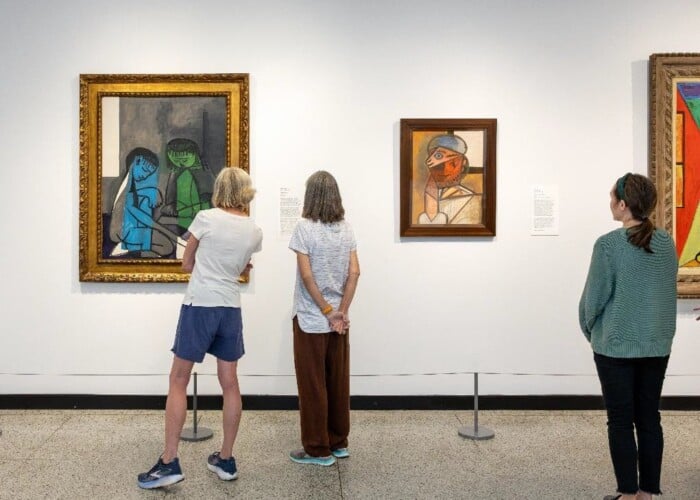
Two paintings by Pablo Picasso made their debut at a public institution this month in New Hampshire. On loan from private collections, “L’Homme au béret basque” and “The Two Children” are now on view at the Currier Museum of Art in Manchester through the end of October.
Hybrid and remote work models continue to boom in the Granite State

The Currier Museum of Art is expanding ArtLab, its hands-on, after-school STEAM partnership with Nashua Public Schools, after a pilot year that reached 58 students at four schools and connected classroom learning with art on view at the museum.

When New Hampshire Fisher Cats General Manager Taylor Fisher was hired on Halloween of 2024, his bosses at Diamond Baseball Holdings (DBH) advised him to use his first year on the job to observe and evaluate the organization, and figure out what needed to be tackled.
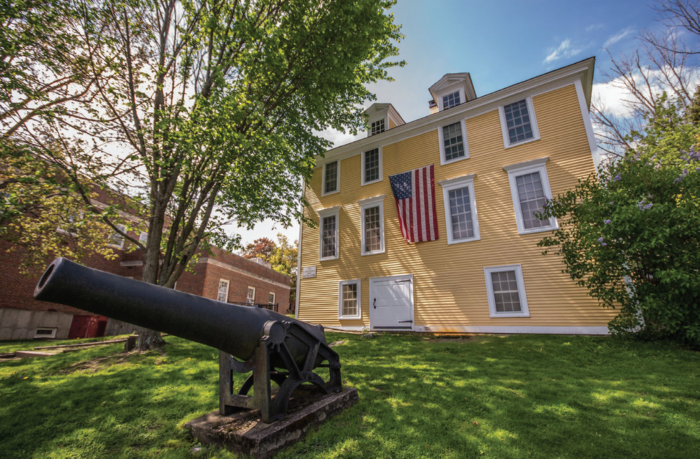
Awards include properties that remain in active use after restoration

Vibrant downtowns are vital to New Hampshire’s economy, helping to attract and retain workers and fuel the cultural experiences that drive tourism. It is typified by a mix…