What agritourism means for New Hampshire
Agritourism has become an important business option for many farms in New Hampshire and across the country. Exactly what is agritourism?
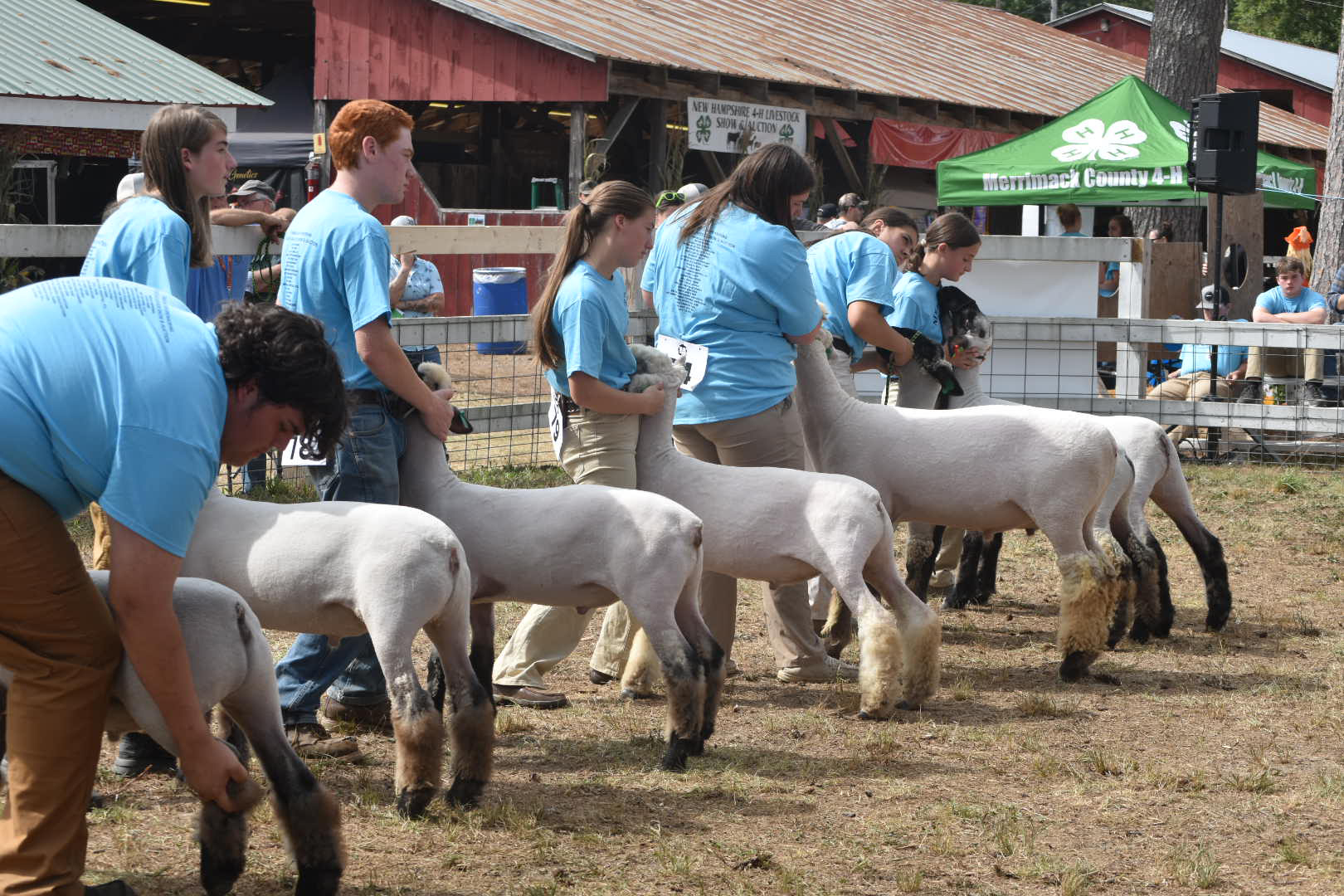
Participants line up for judging in September 2025 at the Hopkinton State Fair, where the NH 4-H Livestock Auction is held annually on Labor Day weekend. (Courtesy of UNH Extension)
New Hampshire employers are seeking polished professionals with real-life experiences, but they may have to look beyond the traditional recruiting methods to find them. One example of an overlooked workforce development program is the NH 4-H Livestock Auction.
Annually at the Hopkinton State Fair on Labor Day weekend, the NH 4-H Program hosts the NH 4-H Livestock Auction. At a surface level, the auction looks like any other 4-H livestock show: 4-H members walking well-trained animals in the show ring. Behind the scenes, the program mirrors real-world business situations where youth build skills in financial responsibility, project management and communication.
The 4-H members are not just raising livestock; they’re running an agricultural business. It takes dedication, work ethic and grit to oversee the care and management of an animal to the point it is ready for human consumption.
Many of these 4-H youth take on other commitments, whether it be school, sports or other extracurricular activities, but must manage their time and prioritize their tasks, so that their animal is their primary focus for the summer months.
Raising livestock rarely goes as planned, but neither does starting a business. An injury or sickness could come through the herd and call for an unplanned veterinary visit, or a drought could cause the price of hay to increase from their anticipated feed expenses, which forces the 4-H members to adapt just like any business owner does.
The 4-H sellers keep extensive records of their market animals to track costs associated with feed input, veterinary expenses and infrastructure to ensure their business remains on track. A successful outcome with their animals isn’t just a blue ribbon. The last page of the record book is a full financial analysis of their market animals and ends with the 4-H member checking the “Profit” or “Loss” box, and any loss or gain will come out of — or go into — their pocket.
Getting to check the “profit box” means the 4-H members have made smart buying decisions and effectively marketed their product. Conversely, participants could also learn how unnecessarily high startup costs, excessive inputs and poor data management affect their profit margin. The 4-H youth have developed a business mindset and a sense of financial responsibility before they even enter middle school.
The early mornings and late nights in the barn, diagnosing sick animals and dodging a sudden increase in feed costs require the 4-H members to make real-time decisions based on observations and accept responsibility for the outcomes that occur — the same strategic judgment employers need in their workplaces.
Throughout the course of their project, experienced 4-H volunteers mentor participants to share their expertise in livestock management. The mentors provide feedback on their animal projects, share insight into industry expectations and help troubleshoot any unexpected issues. Simultaneously, the mentors challenge the 4-H members to meet professional expectations, accept accountability and practice leadership.
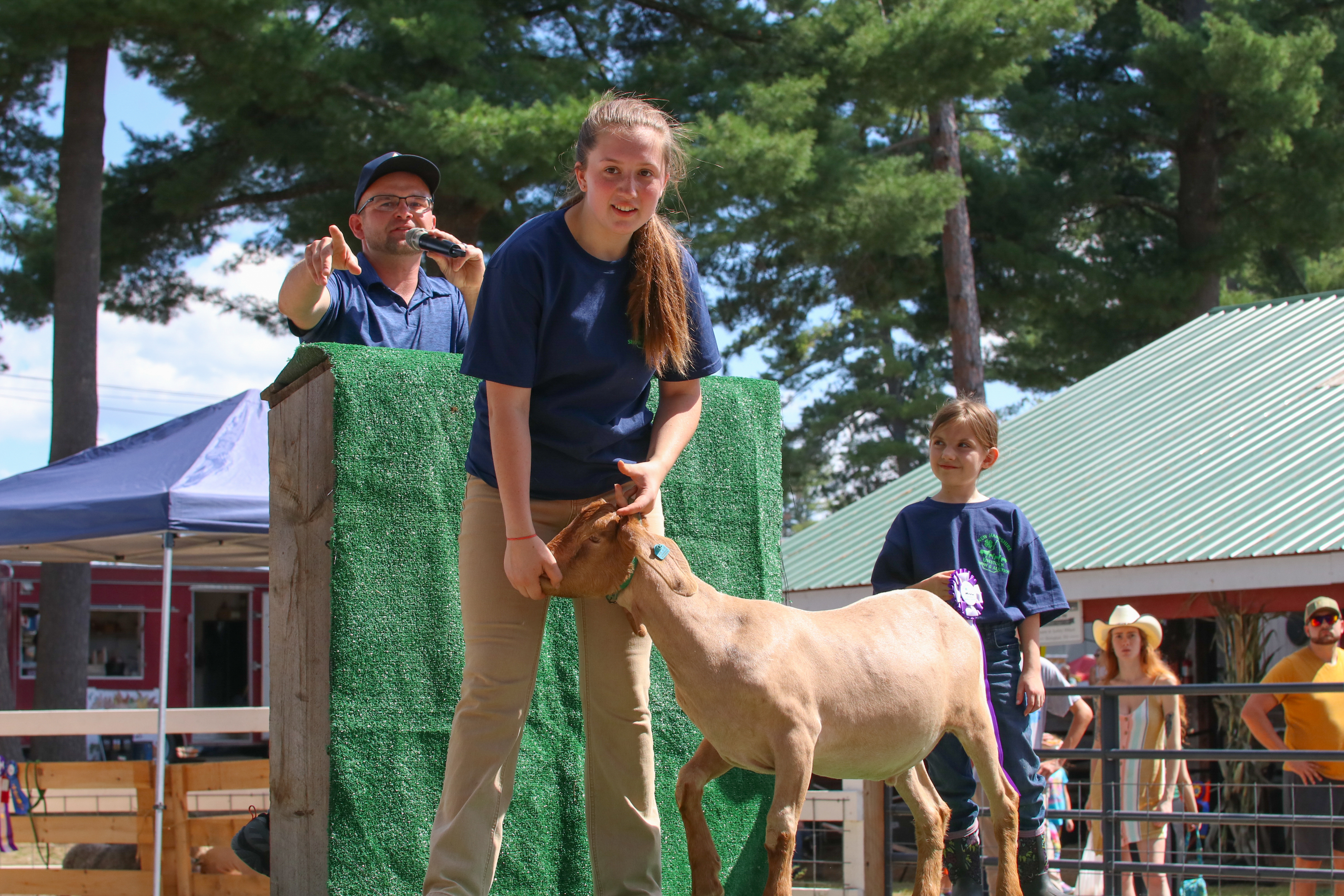
Lauren Gardner of Loudon leads her goat as Autumn Smith of Barnstead holds a ribbon and auctioneer Dan Chute calls for bids at the 2023 NH 4-H Livestock Auction. (Courtesy of UNH Extension)
The traditional school experience alone isn’t preparing the next generation’s workforce to be successful in the jobs that are available. According to the Kauffman Foundation, 77% of employers today are looking for candidates with real-world skills, opposed to traditional school competencies. At just 8 years old, the 4-H members participating in the Livestock Auction are doing their part to fill the gap to become high-functioning and effective employees.
Businesses and employers have an opportunity to be early investors in their future teams. By supporting this program, local employers are getting a preview of candidates who are already equipped with skills including financial literacy and data management, and who can make business decisions. These are transferable skills to all sectors of industry including manufacturing, healthcare and finance, in addition to agriculture.
In the shorter term, there are still opportunities for businesses to reap the benefits of supporting the 4-H Livestock Auction. While purchasing an animal in the auction isn’t a tax-deductible donation, buying the animal and donating it to a food pantry is a tax-deductible donation. Locally raised meat also makes a great employee appreciation gift.
Business owners are constantly called on to invest in their communities with monetary contributions or in-kind donations to a spectrum of events and efforts.
Supporting this event doesn’t just have to mean sponsorship. Bidding in the NH 4-H Livestock Auction directly contributes to the development of future employees while taking a stance in support of local agriculture and addressing food insecurity.
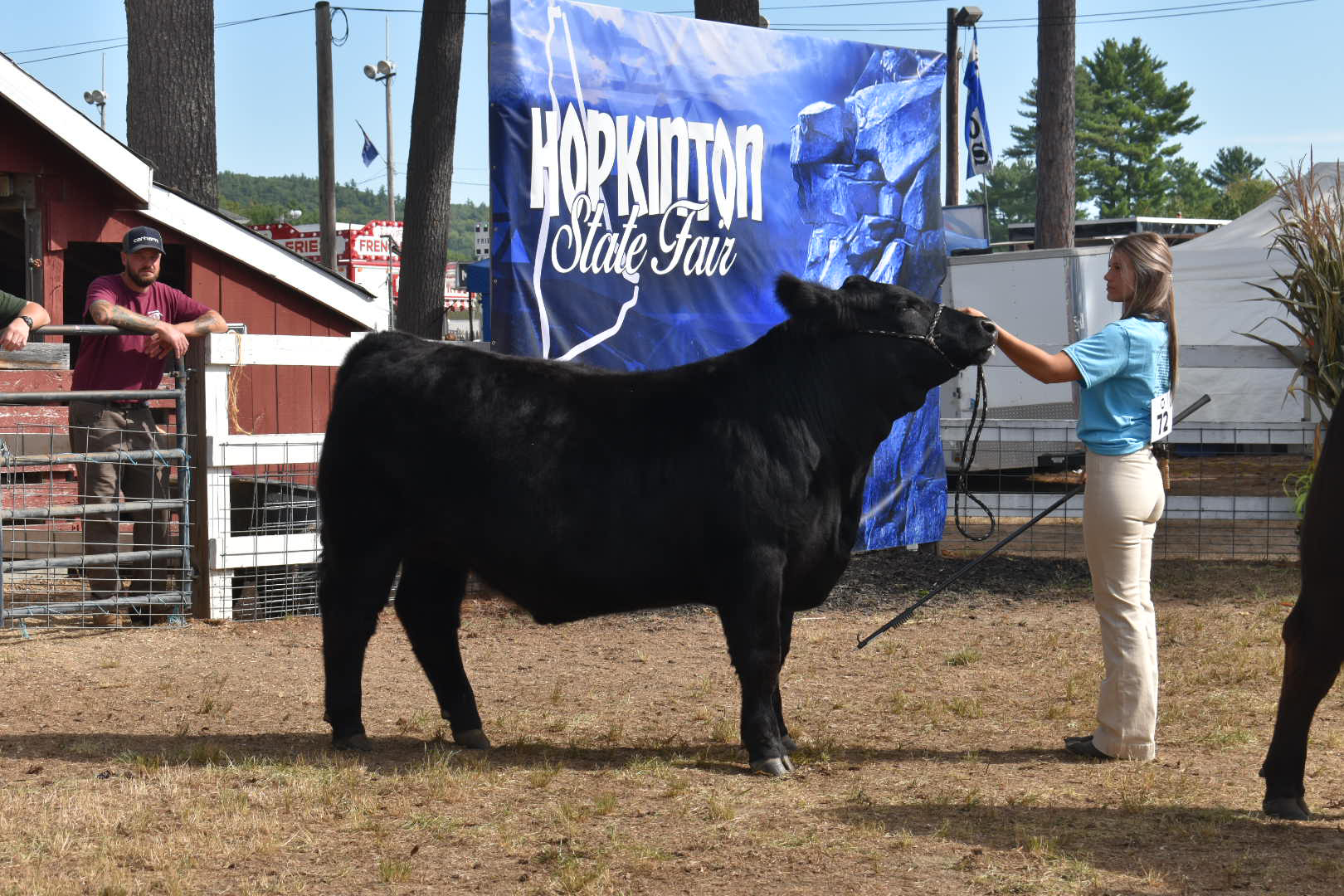
Olivia Mock from Webster leads her market steer in September 2025 at the Hopkinton State Fair. (Courtesy of UNH Extension)
Workforce challenges in New Hampshire are not going to disappear overnight, but a key part of the solution is waiting in the show ring at the state fair. For 10 years, the NH 4-H Livestock Auction has produced youth who are determined, business-minded and passionate about their work.
Solving the workforce pipeline crisis will take time, but New Hampshire businesses have the opportunity to preview their future workforce on Labor Day. Bid high and bid last at the NH 4-H Livestock Auction to invest in local food, in local youth and in New Hampshire’s future workforce.
Hannah Majewski, MPA, works for UNH Cooperative Extension as the animal science field specialist for NH 4-H. She is based in Durham.
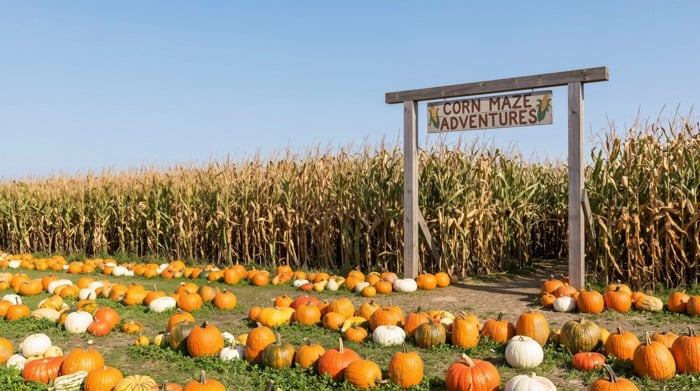
Agritourism has become an important business option for many farms in New Hampshire and across the country. Exactly what is agritourism?

The Honor Summit, a four-day commemoration of the 25th anniversary of the Sept.11, 2001, terrorist attacks, features dual towers of light designed to be visible from as far as 135 miles away from Mount Washington.
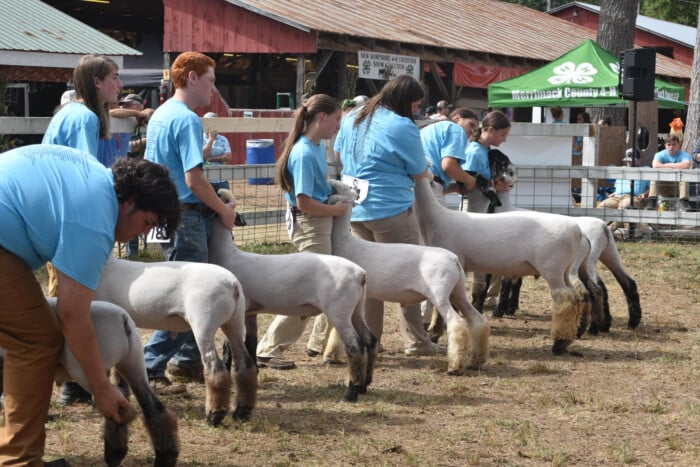
New Hampshire employers are seeking polished professionals with real-life experiences, but they may have to look beyond the traditional recruiting methods to find them. One example of an overlooked workforce development program is the NH 4-H Livestock Auction.
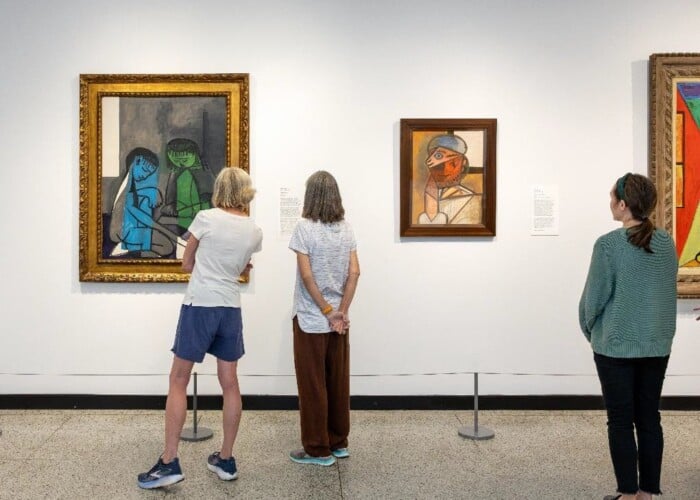
Two paintings by Pablo Picasso made their debut at a public institution this month in New Hampshire. On loan from private collections, “L’Homme au béret basque” and “The Two Children” are now on view at the Currier Museum of Art in Manchester through the end of October.
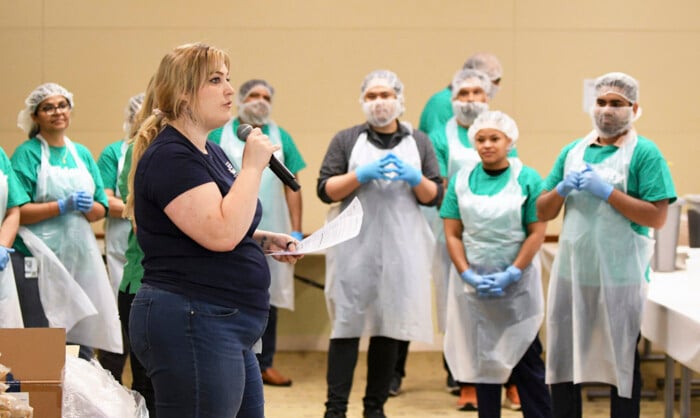
Hybrid and remote work models continue to boom in the Granite State

The Currier Museum of Art is expanding ArtLab, its hands-on, after-school STEAM partnership with Nashua Public Schools, after a pilot year that reached 58 students at four schools and connected classroom learning with art on view at the museum.
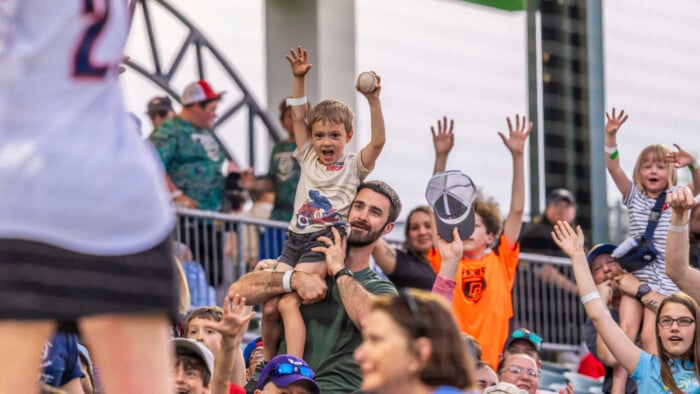
When New Hampshire Fisher Cats General Manager Taylor Fisher was hired on Halloween of 2024, his bosses at Diamond Baseball Holdings (DBH) advised him to use his first year on the job to observe and evaluate the organization, and figure out what needed to be tackled.
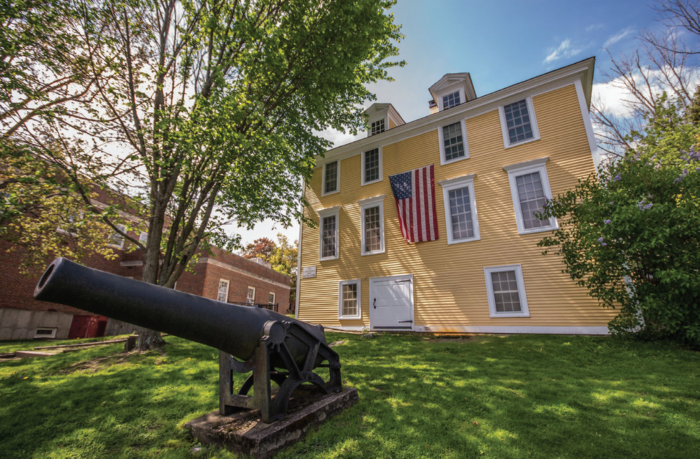
Awards include properties that remain in active use after restoration
Vibrant downtowns are vital to New Hampshire’s economy, helping to attract and retain workers and fuel the cultural experiences that drive tourism. It is typified by a mix…