NH home buying slowed down in October, but affordability remains a challenge
Home buying activity slowed in October, and the median price of a single-family house continued to decline from July’s historic high.

Home buying activity slowed in October, and the median price of a single-family house continued to decline from July’s historic high.
 Best of Business Awards 2027
It’s time to put New Hampshire’s best businesses in the spotlight! The NH Business Review Best of Business (BOB) Awards are back for 2027, and we’re searching for the Granite State’s biggest business rockstars! Cast your votes, cheer on your favorites, and help us crown the businesses that truly deserve to be called the Best of Business!
Ballot closes on December 31, 2026.
 NH Business Review proudly presents our ninth annual Powered by Women conference, an inspiring event that will showcase the drive, conviction and persistence of women leaders in the Granite State. Powered by Women serves to connect female leaders through these stories that will leave them feeling empowered and informed to succeed in their endeavors.
Join the event on Thursday, November 12, 2026.
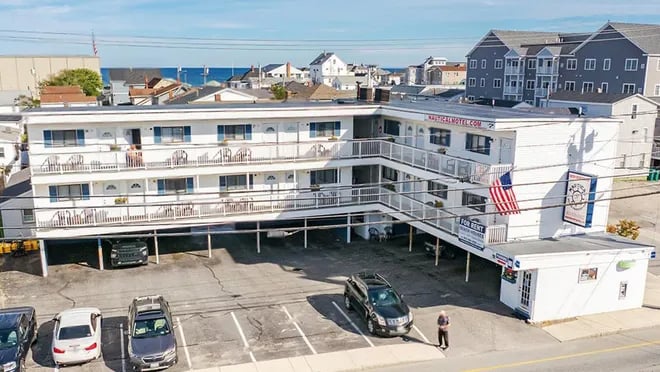
Nick Riccio — the “M Street Millionaire” — and his wife, former White House press secretary Karoline Leavitt, are putting several of their Hampton Beach properties up for auction, hoping the move will attract a partner for a sweeping redevelopment vision.
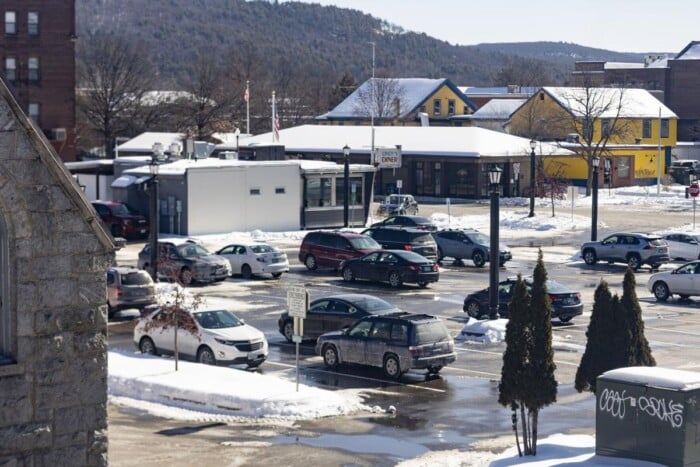
Keene residents and city officials have spent the past several years envisioning ways to transform Gilbo Avenue.
The residents of three manufactured-home communities in New Hampshire recently celebrated the purchase of the land and infrastructure under their homes, securing their future security and affordability as resident-owned communities (ROCs).
The redevelopment of the Hampton Casino complex — with expanded gaming, a new hotel, condominiums and a larger concert venue — has been granted another year to meet the 44 conditions tied to its Planning Board approval.

Dartmouth Provost Santiago Schnell has resigned and is leaving the university after a faculty-led committee found he used artificial intelligence in his writing without properly disclosing it.
New Hampshire’s process for crafting a new two-year state budget reached a milestone in October.

Dartmouth College opened its “AI at 70” conference Thursday morning, Oct. 29, with a session called “The Future Worth Building is Human.”

On Nov. 26, 2015, heavy wet snow was falling, with a forecast warning of an impending storm for days. The phone rings, and before I answer it, I already know what the reporter is going to ask.
New Hampshire has more than 10,000 miles of rivers, many of which flow through downtowns.
The nationwide youth mental health crisis has seen marked improvements in New Hampshire since 2021, but the problem is still far from fixed. Indeed, while the measured outcomes are getting better compared to the worst years of the COVID-19 pandemic, the figures today are still historically concerning compared to a decade ago.
New Hampshire employers spend considerable time and resources trying to find dependable employees who want to work. Yet there is a segment of our population that is too often overlooked: adults with intellectual and developmental disabilities (IDD).
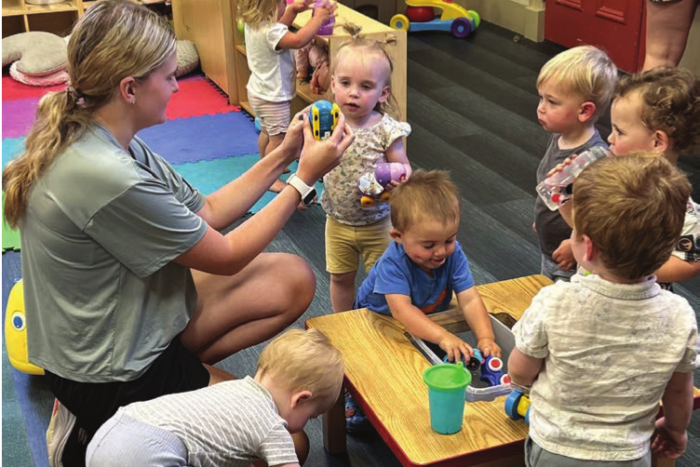
Reliable, accessible childcare is an economic advantage that helps New Hampshire businesses attract and retain employees, strengthen their workforce and support long-term growth.

Identifying growing and grace as my top two values helped me focus on who I want to be and how I want to show up. Revisiting these six years later, I am pleased that these ideas still ring true.

To many people, prediction markets and sports gaming are a distinction without a difference. Which begs the question: Should New Hampshire be regulating prediction markets, especially as they apply to sports, the same way it regulates — and draws revenue from — sports betting via DraftKings?

Over the course of my career, I have attended my share of ribbon-cuttings that were the result of a lot of effort to recruit a new company into the state.

New Hampshire’s public four-year colleges and universities are increasingly offering noncredit workforce-focused certificate programs, professional skills development and industry-specific courses, both on campus and online.