Nottingham data center proposal withdrawn after backlash
A proposal to build a data center in Nottingham has been withdrawn just hours before it was slated to be discussed by the town’s planning board on Wednesday, May 27.
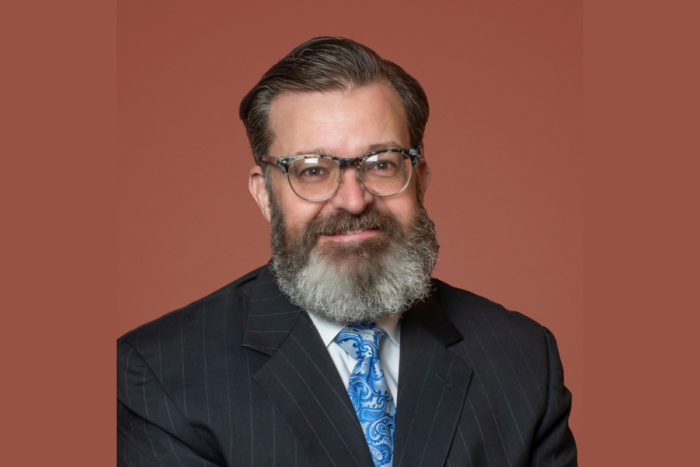
Opponents had organized a protest against the proposal ahead of the meeting Wednesday, with the planning board anticipating “a significant turnout,” according to Drew Stevens, chair of the planning board, who confirmed it was withdrawn.
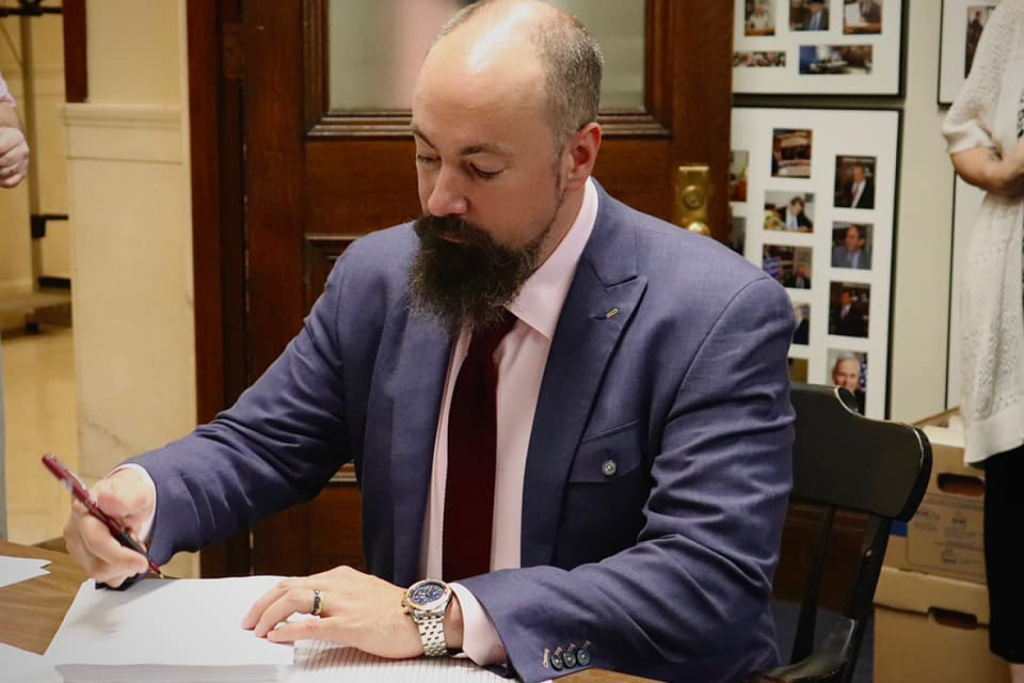
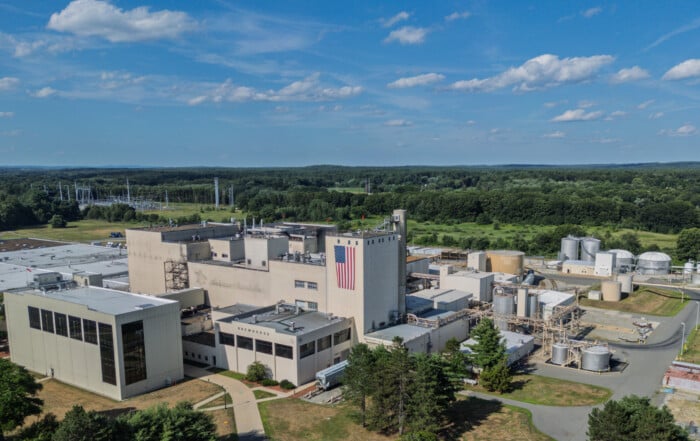
The discussion scheduled for Wednesday was an initial conversation between the board and Thomas Moulton, the Seacoast entrepreneur who was proposing converting a vacant warehouse on Route 4 into a data center. Prior to the meeting, Stevens told NH Public Radio that the board would be learning more about the plan alongside with the community.
“A preliminary conceptual consultation is very high-level in nature, and is focused on procedural aspects of a potential application,” Stevens said in an email.
The plan ignited statewide backlash, with a petition against it garnering more than 25,000 signatures as of Wednesday afternoon.
It cited concerns over water usage, energy costs and noise pollution caused by a data center. “The proposed site on Route 4 contains roughly 30 to 40 acres of wetlands, making development of this scale a major ecological concern,” it said. “Building a high-density complex here directly threatens the Lamprey River Watershed, a federally designated Wild and Scenic River system.”
Moulton notified the town of his withdrawal around 1:30 p.m. Wednesday, via a letter sent by his lawyer. The letter said the proposal was being withdrawn to “allow the applicant to conduct additional research, further evaluate the property and the proposed use, and determine whether this is an appropriate use for this site.”
In an interview with NHPR, Moulton said there was misinformation about the plan on social media, so he wanted to return with more information before potentially reintroducing the project in the future.
“Before everybody jumps to conclusions, we want to address noise. We want to address water, we want to address air concerns of the environment,” he said. “And frankly, if we can’t reasonably address these things to make everybody satisfied in the community, then we got to look and do something else. It’s as simple as that.”