(Sustainability Spotlight) From data to action
At Coca-Cola Beverages Northeast (Coke Northeast), sustainability means creating shared value by operating responsibly today while building a resilient tomorrow.
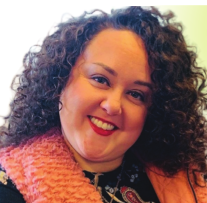
Sunny Noelle Naughton
As organizations continue to expand their definition of sustainability, there is growing recognition that long-term success depends not only on environmental and financial health, but also on the well-being of people. One emerging and actionable approach within this broader framework is mental health literacy (MHL) — the knowledge, skills and confidence needed to recognize, understand and respond to mental health challenges.
Workplace mental health is often addressed reactively through benefits packages or crisis response protocols. While these supports are essential, they are only part of the picture. According to the World Health Organization, depression and anxiety cost the global economy an estimated $1 trillion each year in lost productivity.
In the U.S., the Centers for Disease Control and Prevention reports that mental health conditions are a leading cause of absenteeism and reduced workplace performance. A sustainable workplace culture requires a proactive, preventative approach. One that equips employees at all levels to engage in everyday conversations that support mental well-being before challenges escalate.
Mental health literacy offers a practical pathway forward. Rather than positioning mental health as the responsibility of HR or leadership alone, MHL embeds shared responsibility across an organization. Employees learn how to recognize early signs of stress or distress, engage in supportive conversations and connect colleagues to appropriate resources when needed. This approach mirrors other sustainability efforts: small, consistent actions taken across a system to create meaningful, long-term impact.
The business case for this shift is clear.
Research shows that for every $1 invested in mental health treatment, there is a $4 return in improved health and productivity (World Health Organization). At the same time, employee expectations are shifting. A 2023 report from Deloitte found that nearly 60% of employees consider mental health support a key factor when choosing an employer. Organizations that invest in these areas are more likely to retain talent, foster innovation and build resilient teams.
Importantly, mental health literacy is not about turning employees into clinicians. It is about building a shared language and set of skills that normalize conversations around mental health and reduce stigma. Data from the National Alliance on Mental Illness indicates that, while 1 in 5 U.S. adults experience mental illness each year, many do not seek support due to stigma or lack of awareness.
When individuals feel more comfortable checking in with one another, whether a colleague seems overwhelmed, disengaged or simply “not themselves,” they help create an environment where support is accessible and early intervention is possible.
Implementation can take many forms, from integrating MHL into existing professional development to offering standalone trainings or workshops. Some organizations are adopting frameworks that emphasize four core actions: recognizing signs of mental health challenges, engaging in supportive dialogue, reducing stigma and supporting individuals in accessing help. These models are adaptable across industries and can be scaled based on organizational size and capacity.
For workplaces already investing in diversity, equity, inclusion and belonging (DEIB) initiatives, mental health literacy can serve as a natural extension. Mental health experiences are shaped by identity, culture and access to resources. By increasing awareness and building inclusive communication practices, organizations can better support employees from diverse backgrounds while strengthening overall workplace culture.
As the conversation around sustainability evolves, so too must the strategies organizations use to support their people. Mental health literacy is a low-cost, high-impact initiative that aligns with broader goals around employee well-being, organizational resilience and social responsibility.
By embedding these skills into the fabric of daily work life, businesses can move beyond reactive models and toward a more sustainable, human-centered future.
To learn more about mental health resources for employees, join the NHBSR webinar “Tending to the Whole Employee,” by Sunny Noelle Naughton on May 19. Sign up here: https://lp.constantcontactpages.com/sv/OT8fsTq.
Sunny Noelle Naughton is a nonclinical psychology and communications strategist and founder of Sunshine Silver Lining, a consultancy firm focused on mental health literacy, leadership and storytelling. She works with organizations across sectors to build practical, sustainable approaches to workplace well-being. New Hampshire Businesses for Social Responsibility produces “Sustainability Spotlight” monthly for NH Business Review.
At Coca-Cola Beverages Northeast (Coke Northeast), sustainability means creating shared value by operating responsibly today while building a resilient tomorrow.
Small businesses drive New Hampshire’s economy, accounting for roughly 97% of all state enterprises and generating the majority of its jobs, according to the U.S. Small Business Administration.
At Northeast Delta Dental, our mission guides us to prioritize social impact, essentially the good we can do in our community with the resources we have available.
Sustainable investing has undergone a reset. The excitement and lofty promises that accompanied the rise of ESG have given way to skepticism, political debate and a healthy demand for accountability.
Small and medium-sized enterprises (SMEs) make up the majority of businesses in NH and play a vital role in driving economic growth, innovation and job creation.
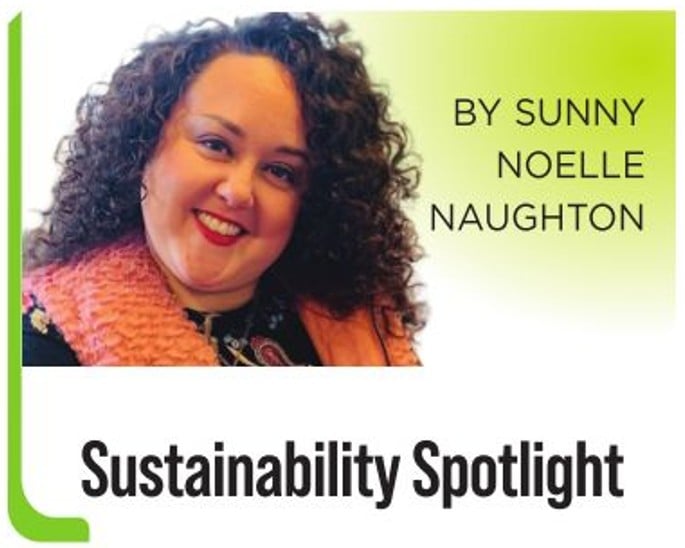
Mental health literacy as a workplace sustainability strategy
New Hampshire should be a place where businesses have every structural advantage to compete and grow — built on the workforce, infrastructure and policies that make it the best state in the nation to…
In construction, sustainability is still too often defined by project type, certification or client mandate. If a job is labeled “green,” we assume the contractor is sustainable by default. But that framing misses the point.
When the path forward isn’t clear and feelings of overwhelm or despair are near, finding anchors in gratitude, horizon and context can steady our leadership through almost anything.