Navigating New Hampshire’s new solid waste site evaluation committee
Anyone who has taken a transmission line or a wind farm through New Hampshire’s Site Evaluation Committee knows the process is long, expensive and can be fraught with complication.

The NH Senate has approved a bill that would set the state on a path to reducing fossil fuel usage by instructing state agencies to lay plans for switching the state fleet over to electric vehicles.
Senate Bill 448, which was unanimously approved by the Senate on Thursday, had bipartisan support out of committee. The bill stipulates that all new leased state vehicles and purchased light-duty trucks and passenger vehicles should be non-emitting “as soon as it is feasible and cost effective.”
Transportation is the single-greatest source of greenhouse gas emissions in New Hampshire, a kind of pollution that is driving climate change.
Proponents of electric vehicles have pointed out that their efficiency is more than four times greater than conventional combustion engines, and electricity can be produced using renewable sources of energy that don’t pollute the environment.
The bill will now head to the Senate Finance Committee.

Anyone who has taken a transmission line or a wind farm through New Hampshire’s Site Evaluation Committee knows the process is long, expensive and can be fraught with complication.

Evan Clements and Precia Harthcock of Jaffrey love their 1926 home, but they acknowledge the drawbacks of houses built in that era. The room that is now their sitting room, for example, was once a porch that had been enclosed and is noticeably colder than other parts of the house. The second floor was much hotter than the first floor, and their kitchen was drafty.

Energy reliability and affordability are of paramount importance in New Hampshire.

With gasoline near $4 a gallon and healing oil prices expected to jump this winter, U.S. Energy Secretary Chris Wright on Thursday said clean energy initiatives are partly to blame for high prices of energy. Wright, the founder and former chief-executive of a Denver-based oil-services and fracking company, spoke within eyesight of a small solar array at the Raymond district office of the New Hampshire Electric Co-op.
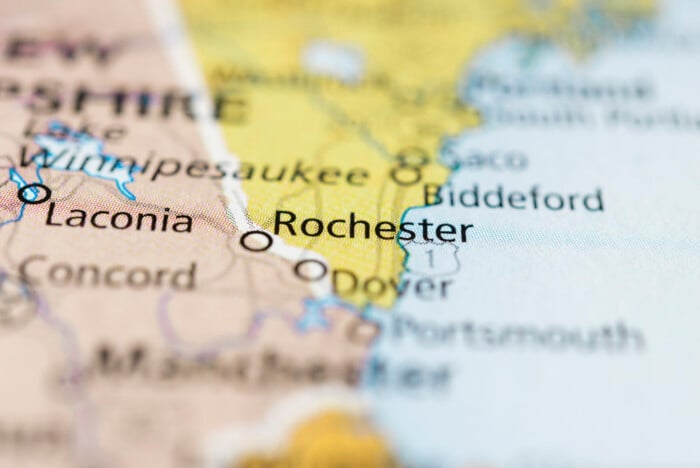
City officials are taking steps they hope will prevent data centers from locating in Rochester.

With a new state law set to go into effect with the dawn of a new year in 2027, Granite Staters will be able to install so-called “balcony solar” panels for home use.

House Bill 707, signed into law by NH Gov. Kelly Ayotte, promotes expanding existing landfills, rather than building new ones, and also establishes a seven-member committee to evaluate landfill sites.
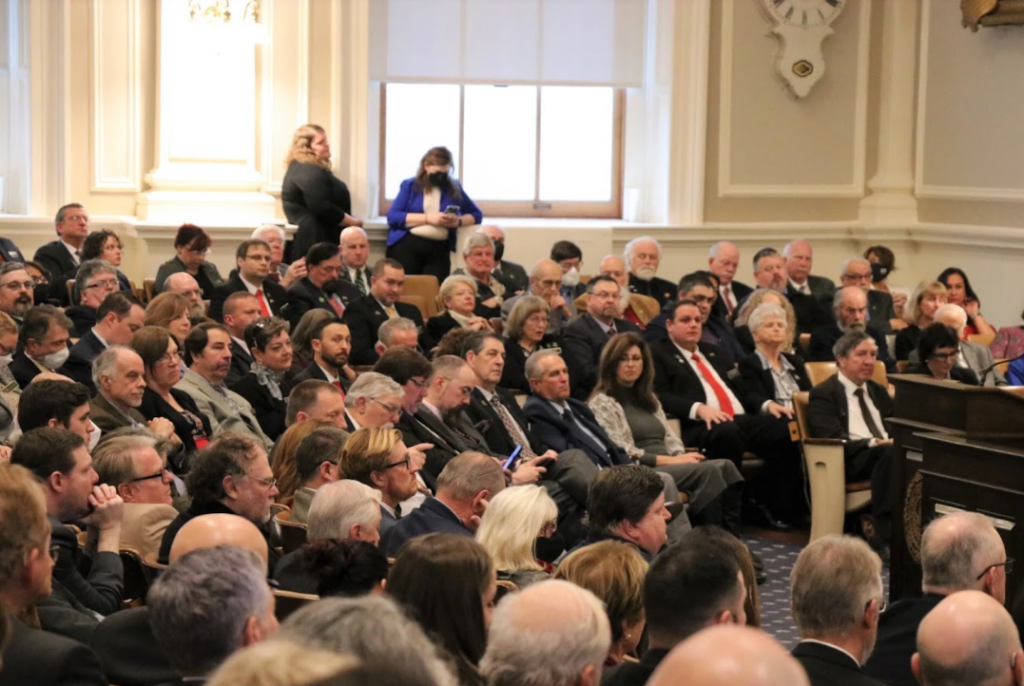
The recently formed New Hampshire Forum has been whittling down — from 18 to four to one or two — important issues that will be addressed in the 2027 session of the state Legislature.

Upcoming legislation may provide (somewhat) smoother permitting process for developers