Dartmouth provost resigns over undisclosed AI use
Dartmouth Provost Santiago Schnell has resigned and is leaving the university after a faculty-led committee found he used artificial intelligence in his writing without properly disclosing it.
Teacher recruitment pressures are growing in New Hampshire as fewer Granite Staters complete education degrees, more school employees approach retirement age, and teacher pay and affordability challenges make it harder to attract and retain educators, according to a report from the New Hampshire Fiscal Policy Institute.
The new analysis, “New Hampshire’s Educator Workforce Faces Growing Recruitment, Retirement, and Affordability Pressures,” draws on data from the New Hampshire Department of Education, New Hampshire Employment Security, the U.S. Census Bureau, federal higher education data, and national wage and salary research to understand changes in the state’s educator workforce. The analysis examines how an aging workforce, a shrinking pipeline of potential new teachers, recruitment activity, teacher compensation, and New Hampshire’s high housing and child care costs may affect schools’ ability to recruit and retain educators.
The analysis finds that New Hampshire schools may face a growing gap between the number of teachers they need to hire and the pool of new educators available to fill those positions. New Hampshire Employment Security projects 1,114 annual openings for kindergarten, elementary, middle, and secondary school teachers through 2034, while education bachelor’s degree completions at New Hampshire colleges and universities fell from 567 in 2015 to 283 in 2025. At the same time, a growing share of the state’s school workforce is approaching traditional retirement age, which could further increase the need to replace departing educators.
Key findings from the analysis include:
“New Hampshire schools may be serving fewer students, but projections suggest they will still need to recruit more than a thousand teachers each year as educators retire, leave the workforce, or transition to other careers,” said Ben Reynolds, Senior Policy Analyst at the New Hampshire Fiscal Policy Institute and author of the report. “At the same time, fewer Granite Staters are completing education degrees, teacher pay is falling further behind other professions competing for the same talent, and high housing and child care costs can make it harder for educators to build a life in New Hampshire.”
“New Hampshire’s ability to recruit the next generation of teachers will depend both on whether enough people are entering the profession and whether they can afford to stay in it,” said Reynolds. “With teachers facing lower pay than other college graduates alongside rising housing and child care costs, the state’s ability to recruit and retain educators may become increasingly challenging.”
The full report, “New Hampshire’s Educator Workforce Faces Growing Recruitment, Retirement, and Affordability Pressures,” is available at https://nhfpi.org/resource/new-hampshires-educator-workforce-faces-growing-recruitment-retirement-and-affordability-pressures/.
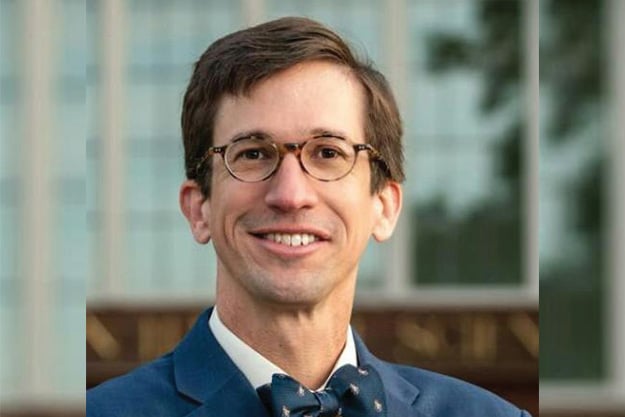
Dartmouth Provost Santiago Schnell has resigned and is leaving the university after a faculty-led committee found he used artificial intelligence in his writing without properly disclosing it.
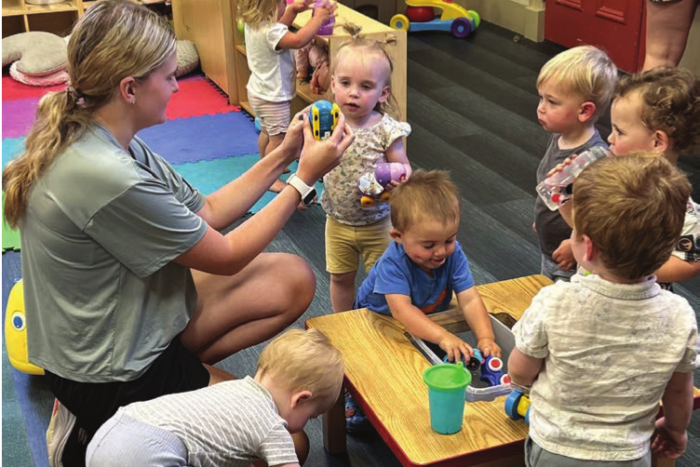
Reliable, accessible childcare is an economic advantage that helps New Hampshire businesses attract and retain employees, strengthen their workforce and support long-term growth.

New Hampshire’s public four-year colleges and universities are increasingly offering noncredit workforce-focused certificate programs, professional skills development and industry-specific courses, both on campus and online.

The two-day Space, Technology, Trade and Research expo on Oct. 28-29 in Durham convened innovators, producers, scientists, engineers, investors, bankers, students and representatives of the U.S. Space Force and Department of War. The goal: Increase networking, collaboration and awareness of what’s happening here, including on the campus of UNH, which provides tools, expertise and facilities for product development and testing.

Driven by a need for specially educated supervisors at police departments, Great Bay Community College has introduced a certificate program to help create the next generation of law enforcement supervisors

NH schools projected to have more than 1,100 teacher openings each year over next decade, with 95 percent of vacancies driven by educators leaving the workforce or changing careers
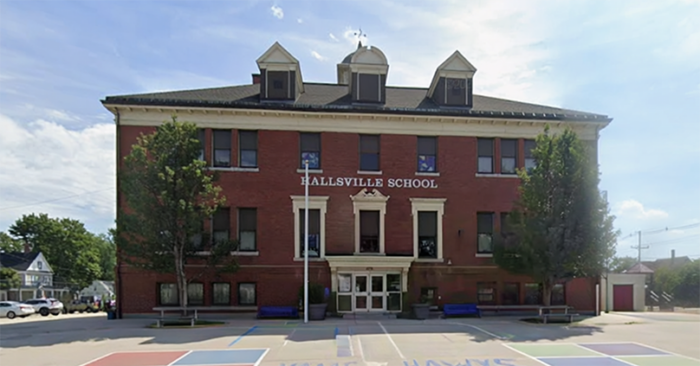
The project will transform the vacant 1891 elementary school into a 36-unit, mixed-income residential community
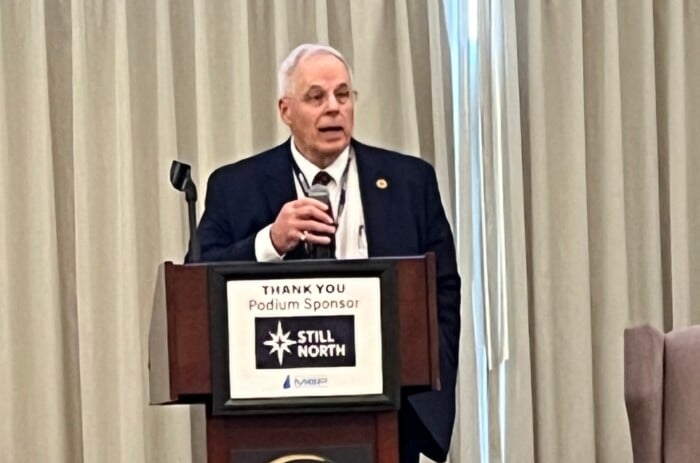
This year’s Advanced Manufacturing and High Technology Summit kicked off with a topic universal to all employers: how to build the workforce of tomorrow. The 24th annual event organized by the New Hampshire Manufacturing Extension Partnership on Oct. 9 featured a keynote panel discussion featuring representatives from the state’s university and community college systems.
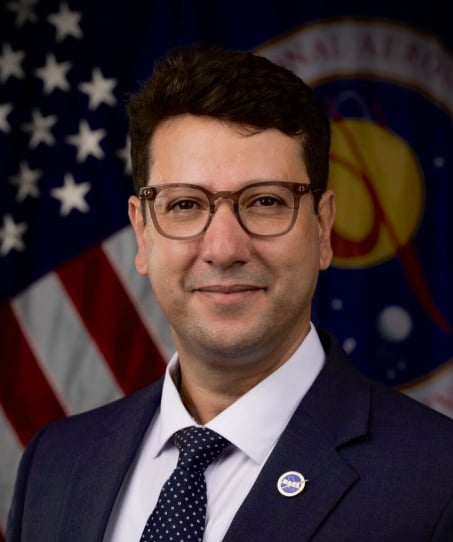
Ramy Rahimi is the new vice president for research and development at the University of New Hampshire.