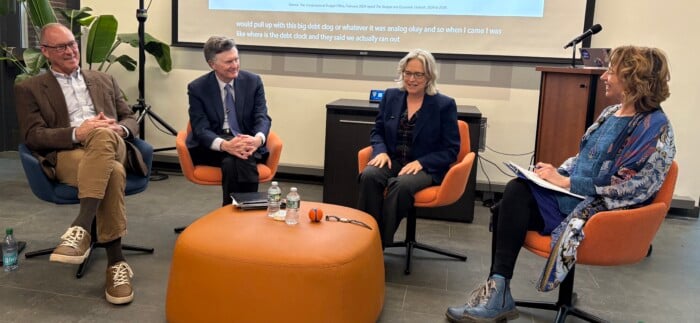
The preliminary rounds are over
Now it’s time to take on the business of governing
Now it’s time to take on the business of governing
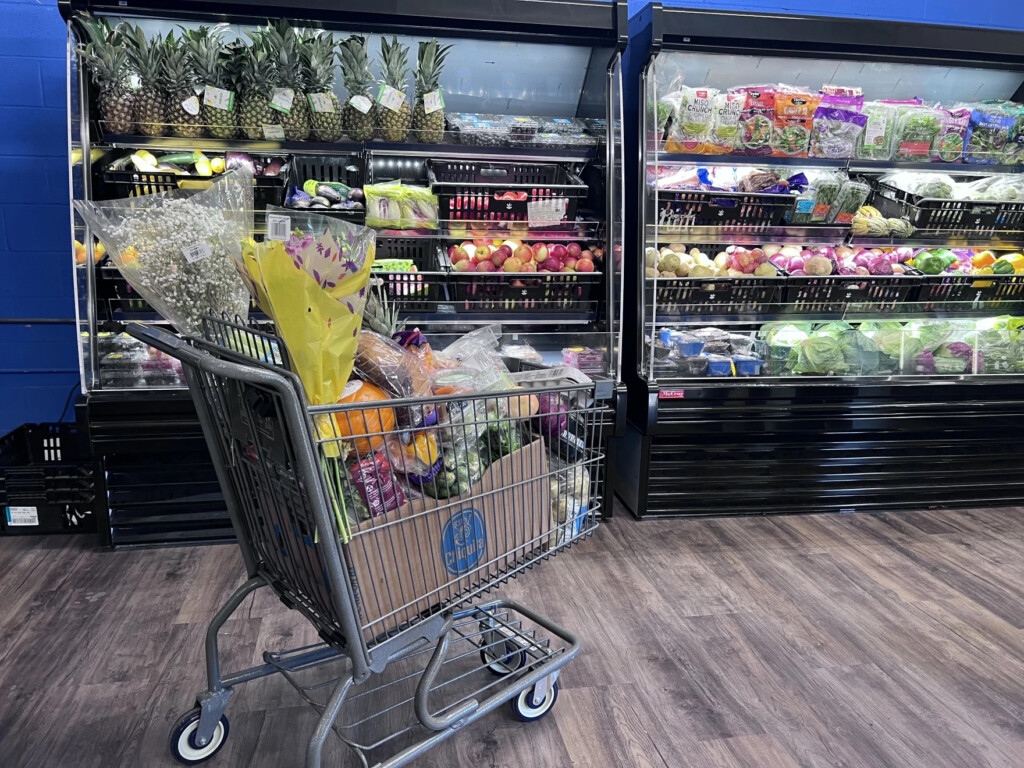
There is less food and much more people in need

USDOL returns to a more traditional approach to independent contracting rules
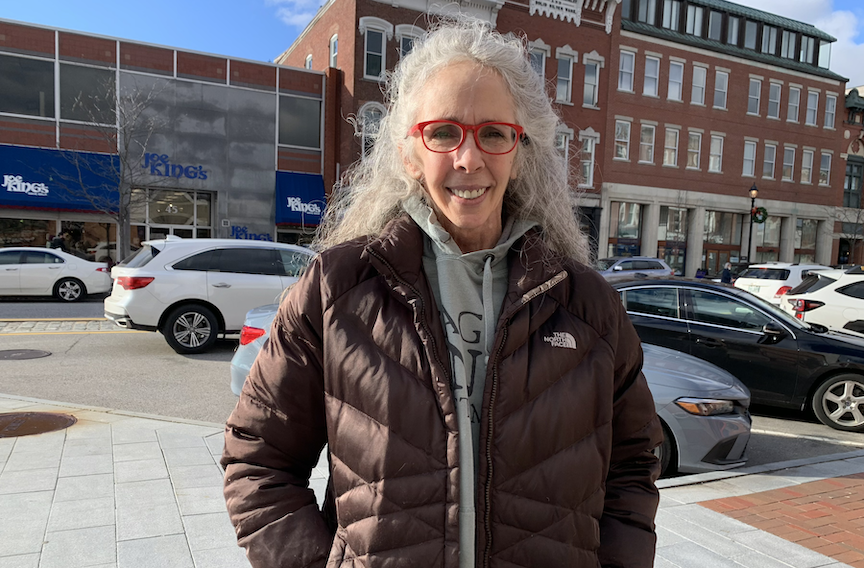
For the political elite, there’s a lot at stake, but voters are ambivalent

While there’s still turbulence, the numbers are trending in the right direction

In rapidly aging state, towns take steps to be more ‘livable’

Troves of information, financial transactions can present tempting targets to hackers
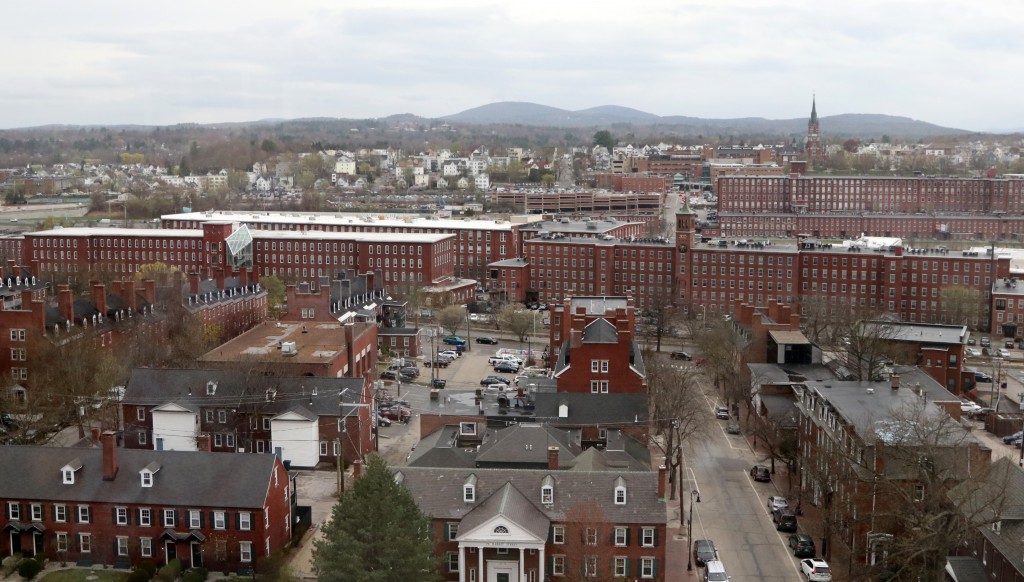
City officials seeking bids from agencies on how to shape the Queen City's brand

$65M in federal funds slated to improve the state’s broadband infrastructure

NH GRANIT to receive funds to collect broadband data in mapping efforts

The state owes its population growth, and some of the benefits it can bring, to its Bay State neighbor, according to a number of reports and analyses
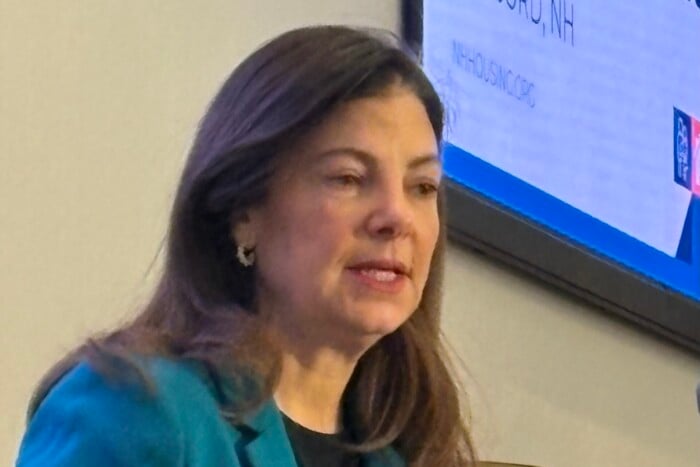
Gov. Kelly Ayotte suggests leasing surplus state land for residential development to help curb New Hampshire's housing shortage and attract more workers to the state.
Wilmington Trust's Meghan Shue talks macro economic and investment strategy trends in today's current climate

Check out photos from the 2026 BOB Awards celebration, which was held on Thursday, March 12, 2026 at the Grappone Conference Center in Concord.
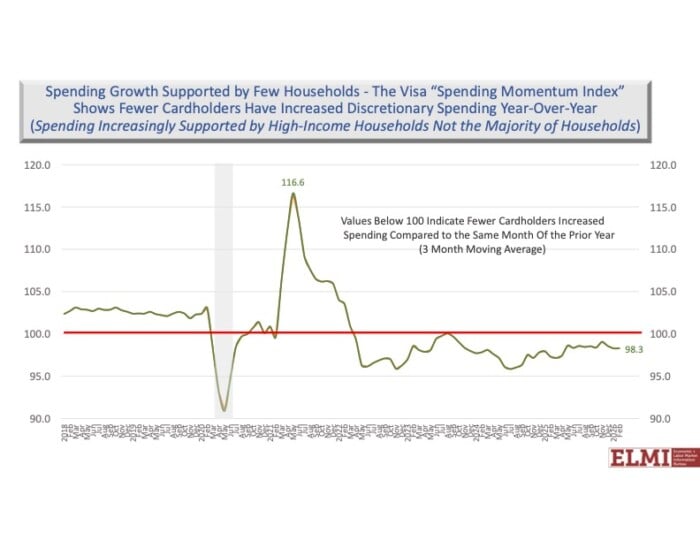
A key New Hampshire economist has trimmed down to 2.2% his forecast for the growth in the state's economy this for 2026, citing lackluster consumer confidence and the uncertainty of the U.S. war against Iran.
A roundup of news updates from public companies in NH and nationwide

NH Business Review's biweekly snapshot of business and industry statistics

Business and event happenings around the state of NH

The Latest is a roundup of the comings and goings of the movers and shakers in NH's business community