NH’s new comprehensive privacy law
On March 6, Gov. Chris Sununu approved Senate Bill 255-FN, a comprehensive privacy law designed to protect consumers’ personal data. The law will take effect on Jan. 1, 2025.

On March 6, Gov. Chris Sununu approved Senate Bill 255-FN, a comprehensive privacy law designed to protect consumers’ personal data. The law will take effect on Jan. 1, 2025.
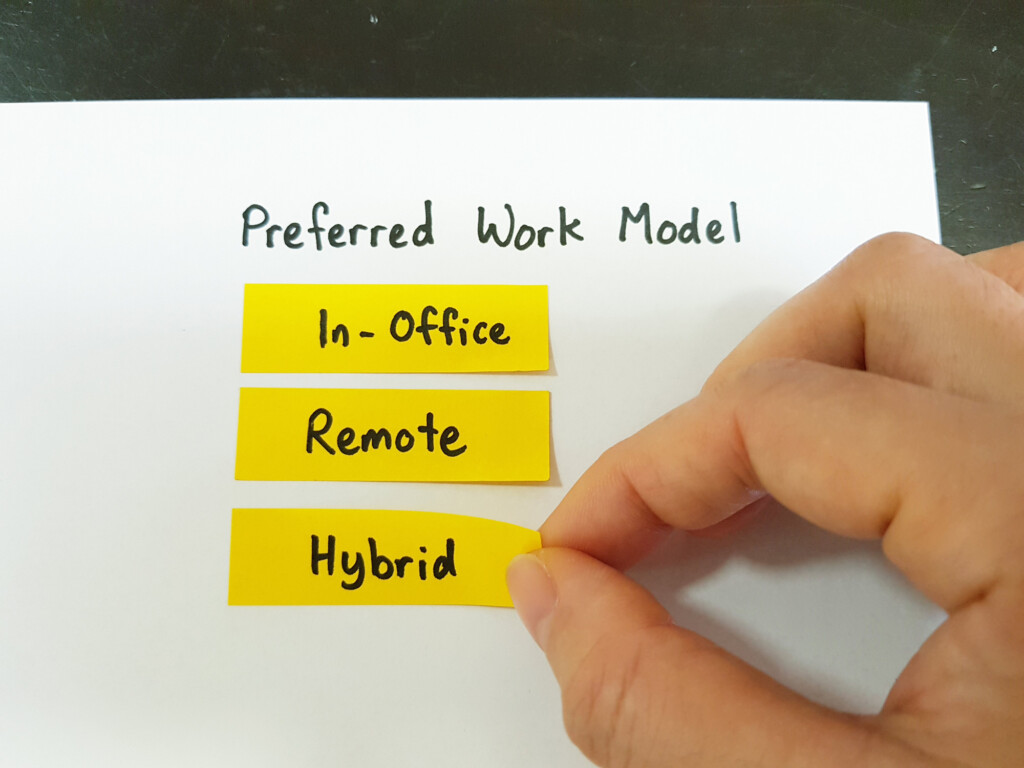
Where and how businesses operate is undergoing a huge shift. Some workplaces that transitioned to remote positions during the pandemic have found that continues to work best for them, while others see fully in-person as their way forward. Some are finding a middle ground with hybrid options. What they all share is a need for flexible options in a changing office space market.
A number of hot-button issues like immigration, gun control and reproductive rights dominate the cable news shows and social media comment sections. With so much political strife, how can employers avoid politically motivated conflict in the workplace?

New law creates broad new rights for individuals and duties for businesses concerning personal information

Surely, you’ve seen it — drivers on the roads going crazy, crazy fast. You might even be guilty of it. “Yes, we have absolutely seen it,” said New Hampshire State Police Lt. Christopher Storm.

Before anyone gets too enthusiastic because Congress avoided yet another default in the federal budget and claims that somehow that was an indication that bipartisan action works, consider the facts.
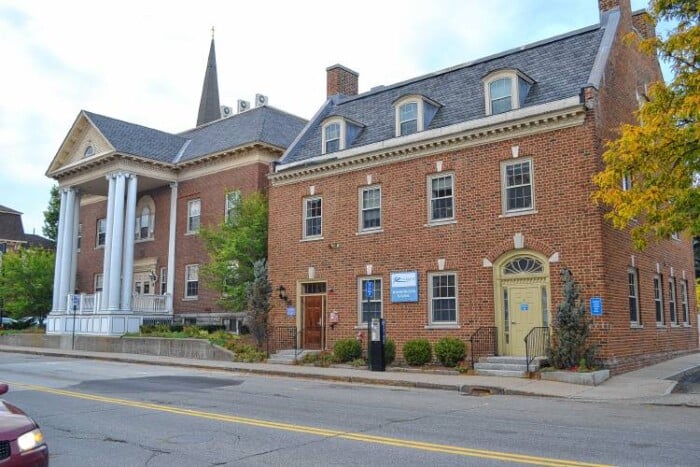
A lack of housing options forces many adults with intellectual disabilities to live at home with family, while others wait for a spot at a group home to clear. But what’s exceedingly rare and hard to find is independent living.

The NH Community Behavioral Health Association (CBHA), representing the state’s 10 community mental health centers, has very serious concerns about the increased suicide rates and increased reporting of suicidal ideation we have seen in recent years, particularly among LGBTQ+ youth.

Limited access to affordable child care creates significant challenges for New Hampshire’s families, economy, and state efforts to support a robust workforce. While Granite State families requiring child care experienced challenges with availability, affordability and quality of care before 2020, the COVID-19 pandemic exacerbated these challenges and highlighted the severity of barriers to child care.
Imagine undergoing training led by people whose sole mission in life is to do everything they can to ensure you fail, to push you to your limits until you break.

Dartmouth College opened its “AI at 70” conference Thursday morning, Oct. 29, with a session called “The Future Worth Building is Human.”
On Nov. 26, 2015, heavy wet snow was falling, with a forecast warning of an impending storm for days. The phone rings, and before I answer it, I already know what the reporter is going to ask.
New Hampshire has more than 10,000 miles of rivers, many of which flow through downtowns.
The nationwide youth mental health crisis has seen marked improvements in New Hampshire since 2021, but the problem is still far from fixed. Indeed, while the measured outcomes are getting better compared to the worst years of the COVID-19 pandemic, the figures today are still historically concerning compared to a decade ago.
New Hampshire employers spend considerable time and resources trying to find dependable employees who want to work. Yet there is a segment of our population that is too often overlooked: adults with intellectual and developmental disabilities (IDD).
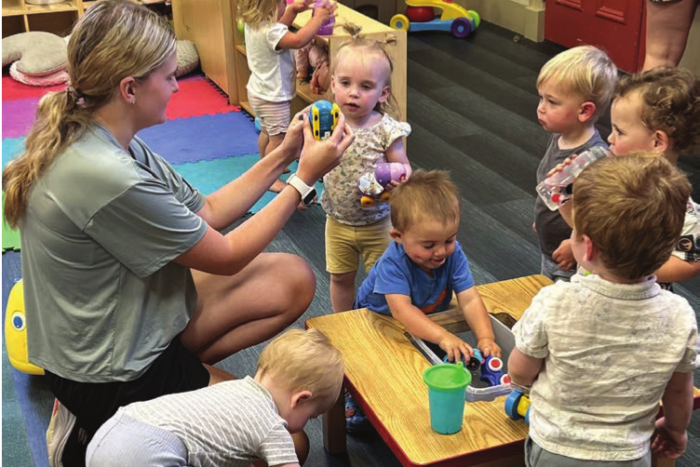
Reliable, accessible childcare is an economic advantage that helps New Hampshire businesses attract and retain employees, strengthen their workforce and support long-term growth.

Identifying growing and grace as my top two values helped me focus on who I want to be and how I want to show up. Revisiting these six years later, I am pleased that these ideas still ring true.

To many people, prediction markets and sports gaming are a distinction without a difference. Which begs the question: Should New Hampshire be regulating prediction markets, especially as they apply to sports, the same way it regulates — and draws revenue from — sports betting via DraftKings?

Over the course of my career, I have attended my share of ribbon-cuttings that were the result of a lot of effort to recruit a new company into the state.