Ask the Experts: Navigating New Hampshire’s volatile energy market
As the push for cleaner, more resilient energy sources continues, solar and other renewables are transforming the way New Hampshire powers homes and businesses. One industry expert shares what’s next in energy innovation, policy and adoption across the state.
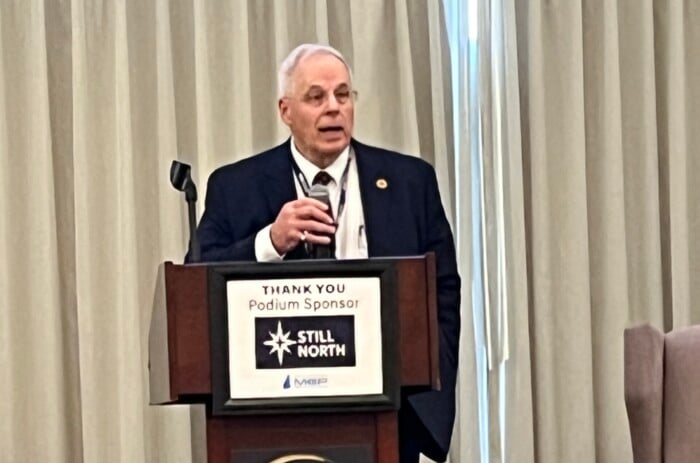
The expert: David Pickens, director, Natural Gas Sales, Sprague Operating Resources LLC, spragueenergy.com
New England’s limited natural gas pipeline can spell supply chain trouble during bitterly cold winters.
When prices swerve wildly, it’s important to have a strategy. That means understanding the benefits of working with a competitive supplier.
New Hampshire’s deregulated energy market offers businesses the chance to modify their utility rates by picking their own energy supplier, adding that companies do have a choice.
What is the state of energy costs in New Hampshire right now?
Energy costs have been volatile for several years. Both electricity and natural gas prices have moved sharply, often without warning. For example, utility cost-of-gas rates in New Hampshire moved from around 30 cents per therm in summer to over $1.75 per therm by the peak of this past winter, when one utility was approved for an increase in March. Businesses planning around any single utility rate are planning around a moment in time, not a stable cost.
Why are energy costs so volatile in New Hampshire?
Electricity and natural gas prices are linked, because natural gas powers much of the region’s electricity generation. New England has a limited natural gas pipeline capacity, which means supply gets tight during cold snaps and high-demand periods. Aging infrastructure adds pressure, since repairs and upgrades take time and money. And demand keeps rising as the region electrifies more of its economy. None of these factors are quick to fix. The result is energy markets that can move significantly in either direction.
How often do utility rates change?
New Hampshire utilities reset their default rates on six-month cycles. A default rate is what a business pays when it buys energy directly from the utility instead of from a competitive supplier. Natural gas cycles run from May to October and November to April.
Electricity cycles run August to January and February to July. Electricity default rates are set on those six-month cycles, though how they are structured can vary by customer class. Natural gas works differently. The cost of gas charges can change mid-period if market conditions shift, which is what happened this past winter when prices jumped above $1.75 per therm for one utility.
With that kind of volatility, is there anything a business can do?
The biggest misconception is that businesses are stuck with whatever rate the utility sets. They are not. New Hampshire has a deregulated energy market, which means companies can choose their own energy supplier instead of taking the utility’s default supply. When prices can swing from 30 cents per therm to over $1.75 in the same year, having a strategy matters. Competitive supply gives businesses the option to lock in pricing or create a custom procurement strategy. The point is choice, and it is a lever most businesses do not realize they have.
What are the benefits of working with a competitive supplier?
The default utility rate is a one-size-fits-all approach.
A competitive supplier like Sprague works with you directly to build something different. That can mean fixed pricing for budget certainty, flexible contract structures for businesses that want to time the market, or blended.