'From the Battlefield to the Boardroom' with Robert Campbell
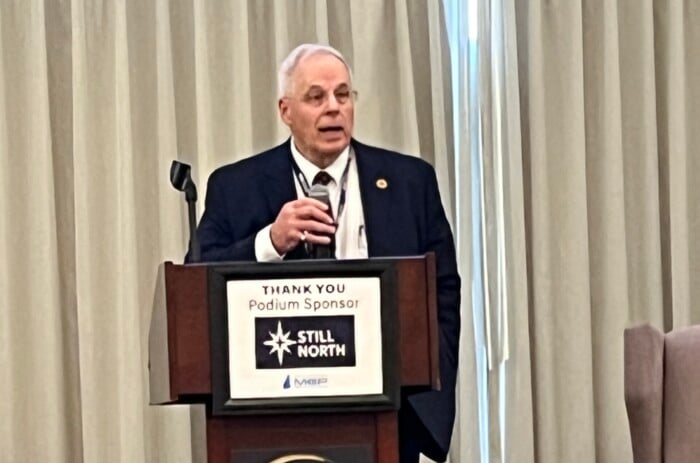
Author, leadership coach and veteran of 27 years in the Army, Robert Campbell speaks on his 'Battlefield to Boardroom' book series and how companies can become veteran-ready

Businesses are being sought to take part in the Peter T. Paul College of Business and Economics Entrepreneurship Internship course this fall.
The course, now in its 14th year, places senior-level entrepreneurship students from the University of New Hampshire’s Paul College in entrepreneurial ventures at various stages of business development and with firms that serve the entrepreneurial sector.
The program is designed to give students experience in a variety of areas, including real estate, marketing, sales, finance, human resources and management.
The students work at their internship company for eight to 10 hours a week for the fall semester. They are unpaid internships, but there is a fee for companies to participate in the program that ranges from $500 to $750 per student intern. The fee helps offset some of the students’ travel expenses and administrative costs associated with the program.
For more information, contact Laura Hill, educational program coordinator, at 603-862-3341 or laura.hill@unh.edu. by Aug. 1.

Author, leadership coach and veteran of 27 years in the Army, Robert Campbell speaks on his 'Battlefield to Boardroom' book series and how companies can become veteran-ready
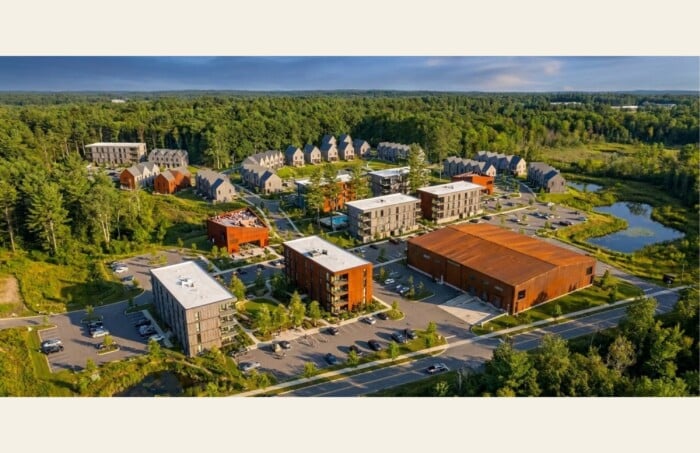
A tech-entrepreneur turned venture capitalist is eyeing one of the largest undeveloped tracts in Manchester for a community where tech- and startup-minded people would live and work. Freedom Village would be located on 250 acres of mostly wooded land at Hackett Hill, which is located in the northwestern corner of Manchester.
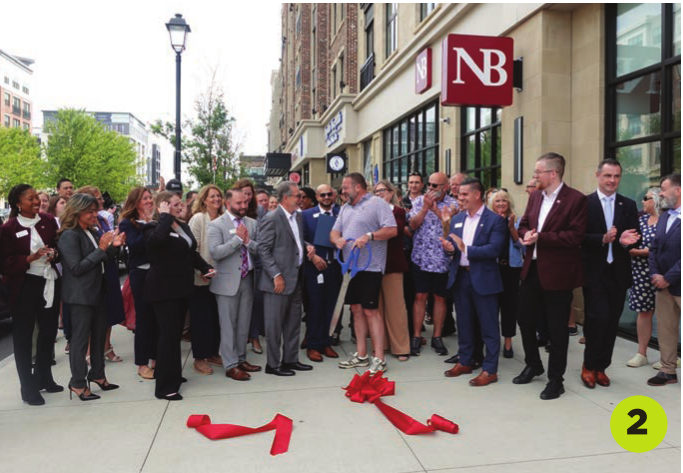
Business and event happenings around the state of NH
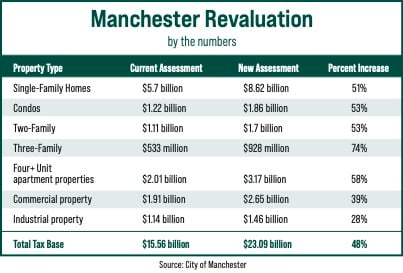
The value of all property in Manchester increased by almost half — 48% ‑ over the past five years, according to preliminary data released by city officials on Oct. 13 The valuations, compiled due to a citywide revaluation, add up to $23.09 billion. The current value of city properties is $15.56 billion, which was based on assessments made during the city's last revaluation.

The Latest is a roundup of the comings and goings of the movers and shakers in NH's business community

Anyone who has taken a transmission line or a wind farm through New Hampshire’s Site Evaluation Committee knows the process is long, expensive and can be fraught with complication.

Artificial intelligence has moved from pilot project to daily practice inside many HR departments.

When Richard “Dick” Levy’s wife, Susan, received a terminal diagnosis of a progressive brain disorder a decade ago, he became her primary caregiver. Doctors estimated Susan had between three and five years left to live.

Interest rates affect nearly every business decision — from expansion plans to asset acquisition to operational budgeting.