The drive no one should have to make — and the effort underway to end it
If you live in Manchester or Concord, you probably don’t think twice about finding a doctor. There is a specialist within a few miles for almost anything you need. But if you live in Colebrook, or Lancaster, or any one of dozens of small communities spread across New Hampshire’s North Country, the picture looks very different, and the gap between those two realities is wider than most people realize.
For hundreds of thousands of Granite Staters, getting healthcare often means driving an hour or more. Sometimes in winter weather on roads that close without warning. Sometimes without a reliable car. Sometimes while managing a condition that makes a long trip not just inconvenient but genuinely dangerous.
When the distance becomes too great, people delay. They put off the follow-up appointment. They skip the specialist referral.
They decide the symptom probably isn’t serious enough to justify the trip, and sometimes they are wrong. Delayed diagnoses can lead to worse health outcomes, higher rates of late-stage disease, and preventable hospitalizations that cost patients, families, and the healthcare system far more than early intervention ever would have. In rural healthcare, geography shapes outcomes in ways that most people in urban communities never have to think about.
The workforce crisis layered on top makes everything harder. When a rural physician retires or relocates, the patients they served don’t disappear. They just lose their doctor. Recruiting a replacement requires overcoming real obstacles: lower reimbursement rates, scarce housing, and the challenges of practicing in communities with limited resources. The human cost lands hardest on those who can least absorb it: older residents on fixed incomes who can’t afford a day off for a two-hour round trip, working parents who can’t find childcare for a specialist visit, and patients managing multiple chronic conditions who simply run out of capacity to keep making the drive.
And yet there are real reasons for optimism. Across New Hampshire, efforts are underway to address the challenges facing rural communities: expanding access to specialty care, strengthening healthcare infrastructure, and developing the workforce needed to sustain it.
New Hampshire is receiving federal funding through the Rural Health Transformation Program, and the state’s first-year budget has been approved by the Centers for Medicare & Medicaid Services, allowing implementation to move forward. The effort followed a statewide planning process that engaged more than 300 stakeholders.
These are investments reaching underserved rural communities that have waited far too long for equal access to care and services.
Meaningful examples of progress already exist across the North Country.
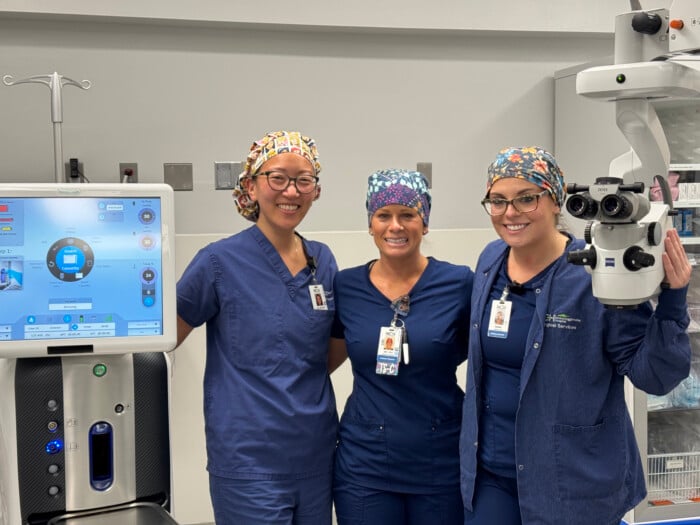
Last month, a patient in Berlin became the first in years to receive cataract surgery in the North Country, a milestone performed at Androscoggin Valley Hospital through a physician-led partnership with North Country Ophthalmology, a board-certified MD ophthalmology practice that has been conducting biweekly clinic days at AVH since January 2026. In that time, NCO physicians have treated nearly 500 patients for glaucoma, macular degeneration, diabetic retinopathy, and other serious conditions that once sent North Country residents hours down the road for care.
The New Hampshire Society of Eye Physicians and Surgeons has recognized the model as a template for returning specialty medicine to rural communities. Its success rests on a principle that is simple in theory and difficult in practice: bringing care to patients rather than asking them to come somewhere else.
Healthcare access also extends beyond the doctor’s office.
At Ammonoosuc Community Health Services, the Portable Teaching Kitchen brings a “Food Is Medicine” approach directly into communities across Grafton and Coös counties, traveling to schools, clinics, community centers, and local events. Through hands-on cooking, affordable recipes, and nutrition education, the program helps families build healthier habits while making the most of their food dollars and having fun.
The long-term solution runs through the next generation of healthcare professionals.
We need students and early-career providers to choose rural practice, understand its demands, and commit to the communities they serve. On September 12, 2026, at Dartmouth Hitchcock Medical Center in Lebanon, NERHA is hosting its third annual Rural Health Student Summit, a day of learning, connection, and honest conversation about what rural health careers look like and why they matter. The summit runs from 8:30 a.m. to 3:00 p.m. Registration is available at nerha.org. This event is made possible with the generous help and support of DHMC and the Dartmouth Geisel School of Medicine.
The access gap in rural New Hampshire is real, and the people living inside it feel it every day. But the momentum is building, the funding is moving, and the leadership is there. That is not a small thing.
Andy Lowe is executive director for the New England Rural Health Association, and an instructor for the UMass Chan Medical School Dept. of Family Medicine and Community Health.