Q&A with Executive director of NeighborWorks Southern New Hampshire Robert Tourigny
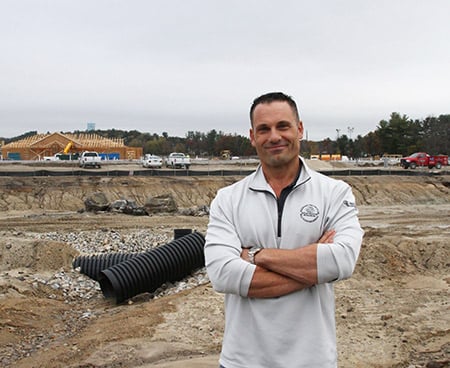
Robert Tourigny has been leading NeighborWorks Southern New Hampshire for more than 20 years, but he’s still chasing the big ones.
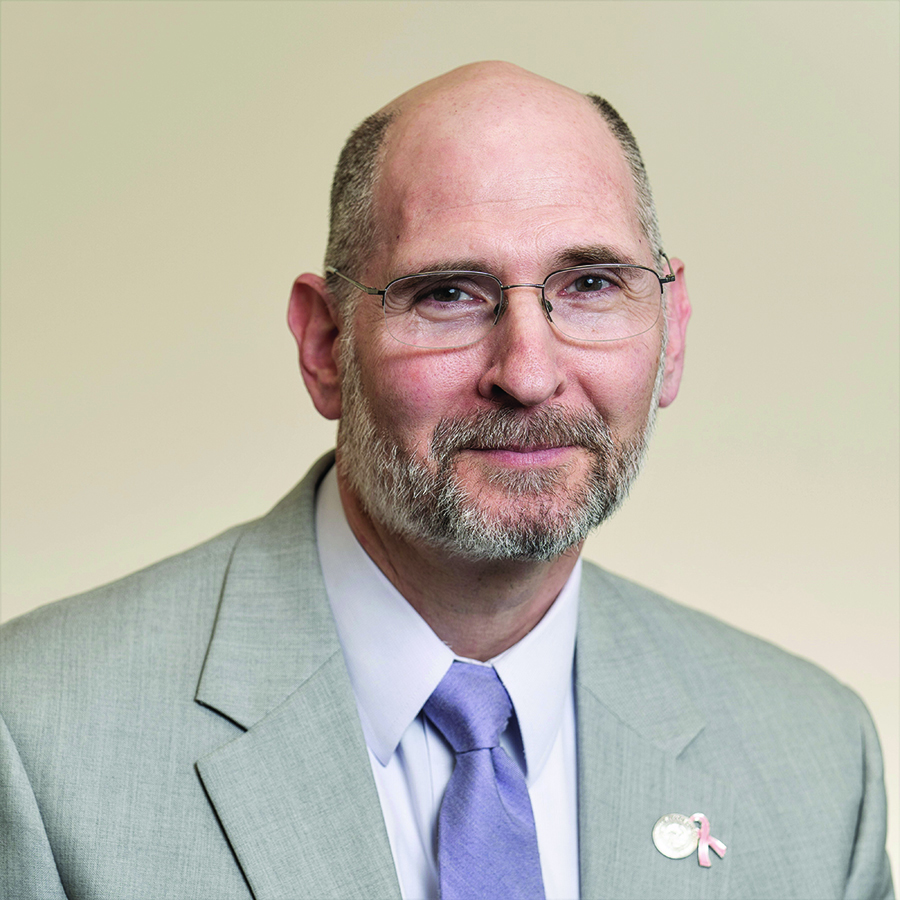
‘There are careers and opportunities available to students today that none of us dreamed about 10 or 15 years ago, and there are going to be opportunities 10 or 15 years into the future that we don’t yet know about.’
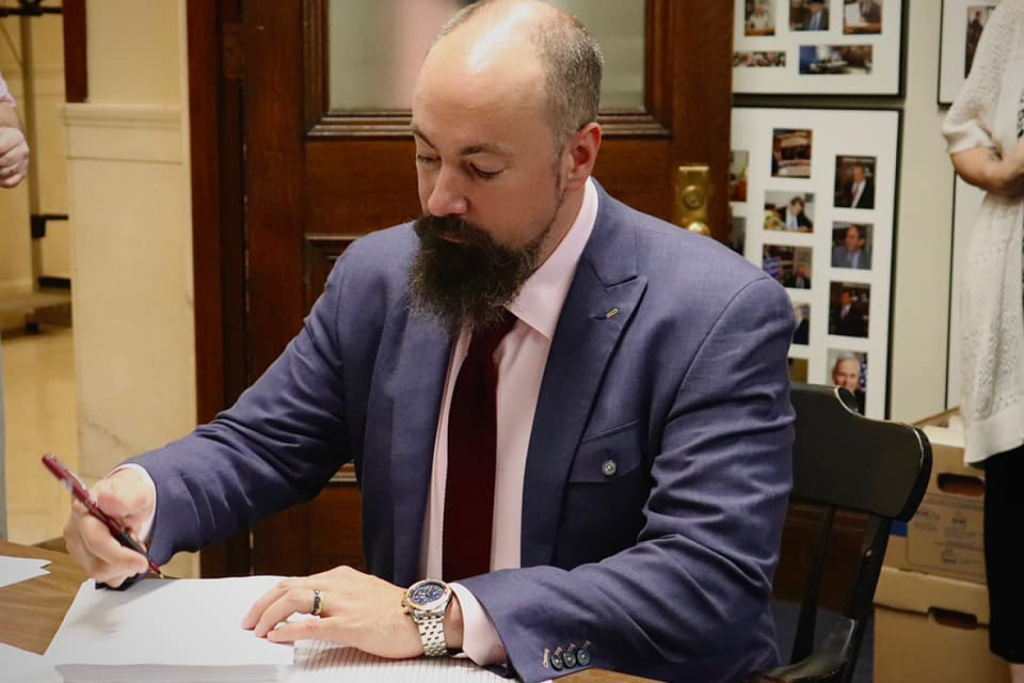
While you shouldn’t rule out Mark Rubinstein taking on a post-retirement role at some point, don’t expect that to happen any time soon: He and his wife will be busy celebrating the birth of their first grandchild in the state of Washington.
Rubinstein, who has served as the chancellor of the Community College System of New Hampshire since 2021, announced his plan to retire before the start of the 2026-27 academic year, capping a career in education that spans more than four decades.
Rubinstein became the system’s sixth chancellor when he was appointed to the position by the CCSNH board of trustees in 2021. Prior to that, he served as president of Granite State College (now known as the College of Professional Studies), part of the University System of New Hampshire. He first came to New Hampshire in 1998 after educational positions in Pennsylvania and Florida.
Rubinstein recently visited the offices of NH Business Review to appear as a guest on the “Down to Business” podcast from which this story is adapted. Listen to the interview at nhbr.com or via your favorite streaming service, including Spotify and Apple Music.
Q. How has CCSNH adapted to the state’s evolving needs?
A. This happens to be the 80th anniversary for both Great Bay Community College and Manchester Community College. They were the first community colleges, originally technical schools, in New Hampshire.
Their creation coincided with the end of the second World War to provide training opportunities for military personnel coming out of the service, helping them to capitalize on skills they already had and preparing them for opportunities in what was then becoming increasingly industrialized workforce here in New Hampshire.
Over the course of our history, we have grown to seven institutions throughout the state. Our programs have evolved. We have developed strong programs in technical areas, particularly in health care, but also automotive and automated manufacturing.
We also have transfer opportunities for students who are interested in business or liberal arts, and virtually any discipline a student can get — the foundational opportunities in those first two years that prepare them for continuing post-secondary education.
Q. How has the Early College program made an impact?
A. A growing portion of the work that we’ve done over the last 10 or 12 years has been in Early College, working with students in high school to the extent that families have become concerned about the cost of post-secondary education. High school students have the ability to complete a course, a semester, a year, even an associate’s degree while still in high school. And with significant support from the state, they have the ability to do that while avoiding the cost and the obligations of debt that often accompany post-secondary education, making it more affordable for students and families.
In the past year, the state made a $3 million investment in that work. Students and families who participated in our early college programs, whether in their high schools, on our campuses or online, realize the benefit of over $15 million of savings and debt avoidance, and that’s at our tuition rates.
If you look at that in the context of the cost of a semester or a year at other public four-year institutions or private institutions, you can double or triple that savings and see the value that students and families have received through that partnership between the state and the community college system.
Q. What changes have you seen during your tenure as chancellor?
A. Post-pandemic, there’s been concern about the value of post-secondary education as well as the cost. Our work with early college is an effort to remove the growing obstacles for students and families to pursue post-secondary education.
We have also seen a growing demand for innovation, such as in biofabrication. I often say that when I was in high school, my guidance counselor never told me that I could make a 3D print of a pancreas. There are careers and opportunities available to students today that none of us dreamed about 10 or 15 years ago, and there are going to be opportunities 10 or 15 years into the future that we don’t yet know about.
One of the acute needs that the state has as a relatively slow-growing but aging state is obviously health care. I’m proud to say the community college system is one of the five hubs that were identified to contribute to the state’s effort (through the federal Rural Healthcare Transformation program) to expand the frontline health care workforce through a paraprofessional academy, expanding our work already underway with our RN and LPN programs, radiologic technicians, dental hygienists and dental assistants.
We’re remaining aware of what’s going on around us, responsive to the needs of the state, and making our work accessible to students throughout New Hampshire.
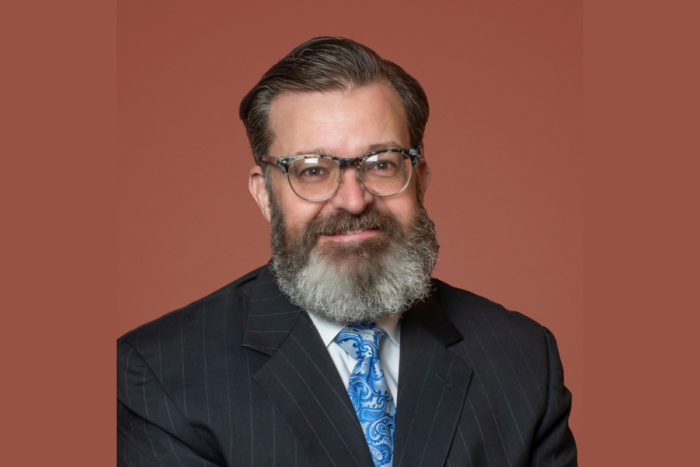
Robert Tourigny has been leading NeighborWorks Southern New Hampshire for more than 20 years, but he’s still chasing the big ones.

Don Gregori’s journey to become chief operating officer for a multinational technology company began with earning a liberal arts degree.
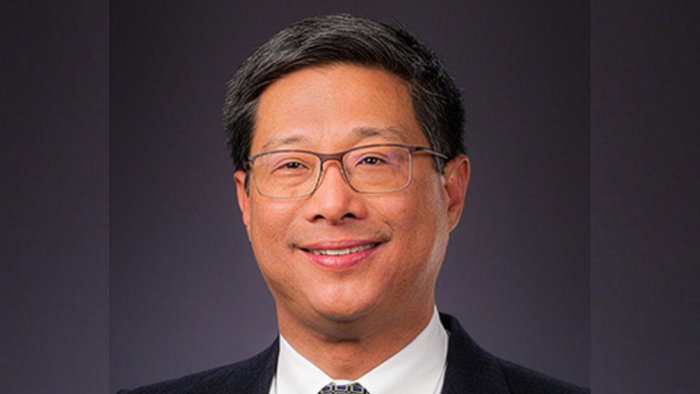
Since 2022, Ken Woo has been the president of Marmon Utility, an advanced manufacturing firm based in Milford that produces polymer insulators and underground cables, including the Hendrix and Kerite brands, for the electric utility industry.
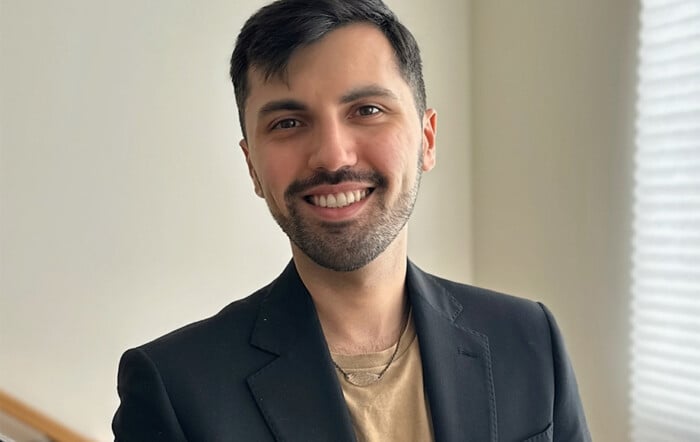
Kyle Moschen, a senior media relations manager at Weber Shandwick based in Seattle, was this year’s commencement speaker at Nashua Community College.
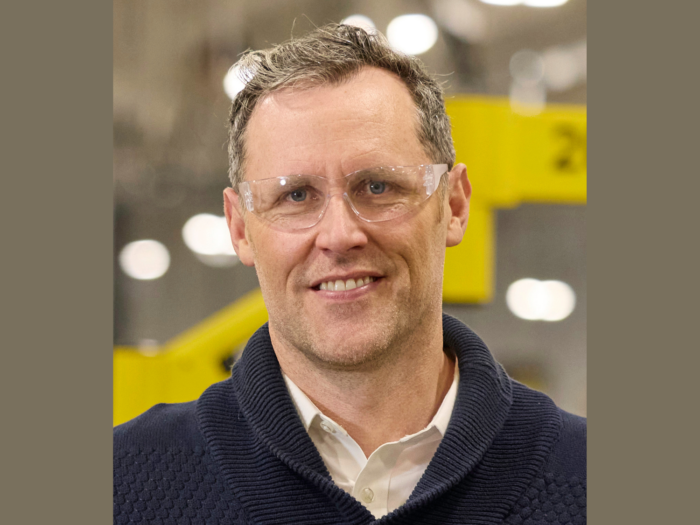
A company whose products are essential to manufacturing and food production worldwide is headquartered in a former Walmart building in Bedford, New Hampshire.
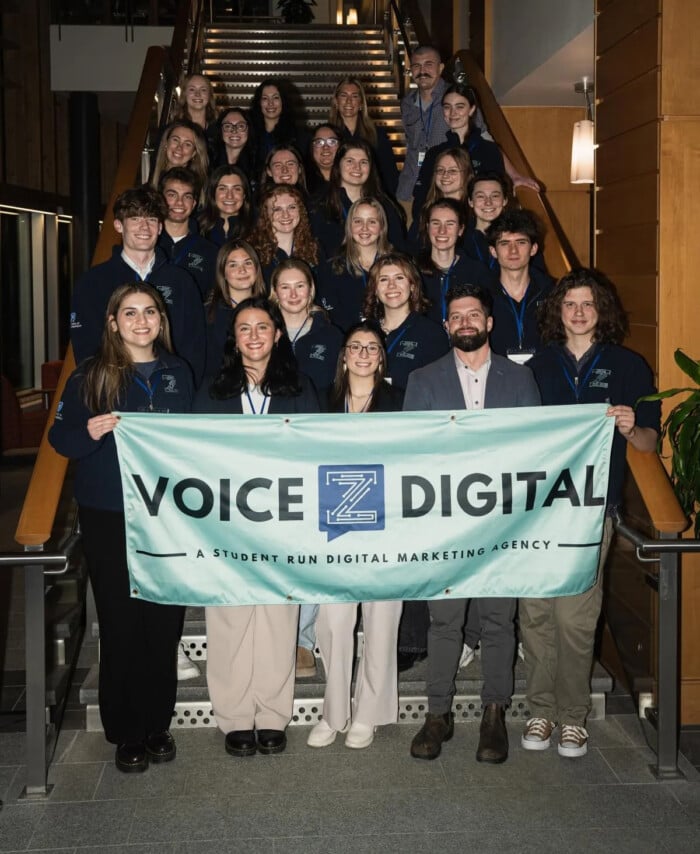
Voice Z Digital, a digital marketing agency run by students at the University of New Hampshire, recently celebrated working with its 100th client.
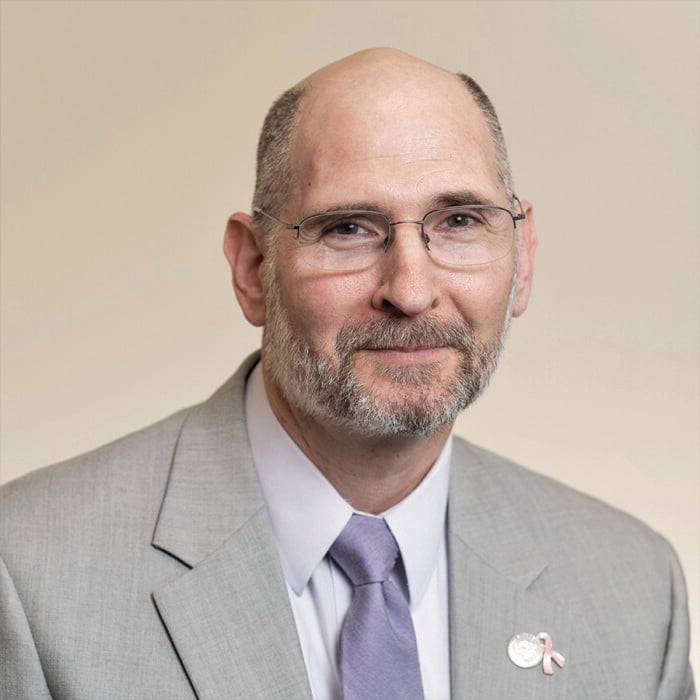
Rubinstein, who has served as the chancellor of the Community College System of New Hampshire since 2021, announced his plan to retire before the start of the 2026-27 academic year, capping a career in education that spans more than four decades.

Eastern Bank entered the New Hampshire market in 2015, when it acquired Centrix Bank in Bedford. The Boston-based bank operates seven branches in New Hampshire and more than 125 in its overall footprint in eastern Massachusetts and Rhode Island.

Rob Whitten and Jane Lo want to speed up that line of cars that snakes around a coffee shop. With P!ng, they’re updating the traditional drive-thru model by replacing human servers with robotic automation and moving orders from speaker boxes to smartphone apps.