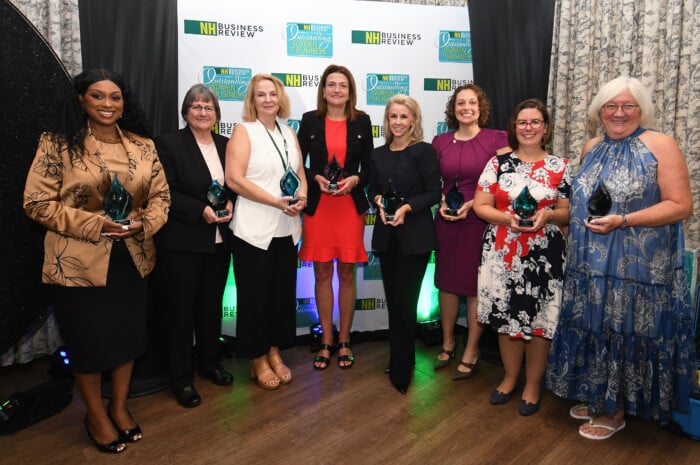
2026 Outstanding Women in Business Event Photos
The 2026 Outstanding Women in Business event was held on September 15, 2026, at LaBelle Winery in Derry.
Sections
Extras
Connect With Us
There were literally hundreds of roadside attractions located along the nation’s blue highways years ago. These promised everything from the world’s largest ball of string to a Redstone rocket. Most travelers were unaware that a treasure trove of significant cultural artifacts was a day’s drive from where they were passing.
One organization that has worked tirelessly to share an authentic part of the state’s legacy is the Black Heritage Trail of New Hampshire (BHTNH). Founded as a Portsmouth entity in 1996, under the leadership of Valerie Cunningham, the organization exists to raise public awareness and appreciation of the vital role African-American culture has played in shaping New Hampshire.
As JerriAnne Boggis, present executive director of BHTNH tells us, “The organization’s goal is to use increased dialogue to open the hearts and minds of the public, thereby creating a deeper understanding of who Blacks are collectively, and how they occupy a place in America’s heritage.”
Despite the fact that black and white Americans have intermixed to create American society in a multitude of ways, this narrative has not fit comfortably into the prevalent story being told by authors of history textbooks and others. While Boggis and her BHTNH colleagues are very effective in researching the past and present accomplishments of New Hampshire’s black community, a contradiction remains between the black and predominantly white histories of the state and nation.
BHTNH hopes to counter misperceptions about disparate black and white societies by sharing the personal histories of countless black residents of the state — in their roles as free laborers, as runaway slaves and as people who contribute significantly as educators, entertainers and civic leaders. The heritage of these early Americans is fascinating and should be of utmost interest to everyone who values the state’s history.
Given the significant presence of black people in New Hampshire during the last 300 years, it is truly disappointing that today’s public school children (and their parents and grandparents) are unaware that black children and young adults were once sold on the wharf in Portsmouth, that Governor Langdon supported the efforts of George Washington to recover his “runaway property,” that Richard Potter was one of the most popular entertainers in America 200 years ago, or that Harriet Wilson was the first African-American woman in North America to publish a book.
The question is, what are the best methods for BHTNH to make their “corrective narrative” known to the general public? Despite the number of scholarly efforts, the knowledge gap has not been bridged. Perhaps the answer lies in travel and tourism.
The organization has created a series of bronze plaques that highlight black community activities dating from the colonial era to the civil rights movement. Their excellent website (blackheritagetrailnh.org) provides historical background information and identifies a wealth of events and conferences.
The Portsmouth component of the Black Heritage Trail contains 27 sites that can be visited as a whole, or by following a number of themes, including “Enslavement and Emancipation,” “Work” and “Resistance and Civil Rights.” Guided walking tours and trolley tours, led by well-prepared guides, also are available by request to residents and visitors.
A recently expanded Black Heritage Trail will connect the stories of New Hampshire’s African heritage by documenting and making visible many more historic sites statewide that testify to this rich history.
Recognition and acceptance of certain cultural minorities has not had a smooth path in this country. This is an issue that should be of concern to all Americans. BHTNH has done a remarkable job of collecting and organizing materials that tell the documented history of Africans in America. Change in the perceptions of African-American culture and its future place in society, will only occur by understanding the real story.
Tourism can play a vital role in ensuring that this story achieves a proper conclusion. Toward that end, I am asking readers to contact me at info@markokrant.com to share new ideas about the ways tourism can facilitate dissemination of BHTNH’s message.
Mark Okrant is an author and professor emeritus of tourism management at Plymouth State University. This article originally appeared at IndepthNH.org, New Hampshire’s nonprofit news website published online by the NH Center for Public Interest.
The 2026 Outstanding Women in Business event was held on September 15, 2026, at LaBelle Winery in Derry.

Annual summit scheduled as NH welcomes company from Massachusetts
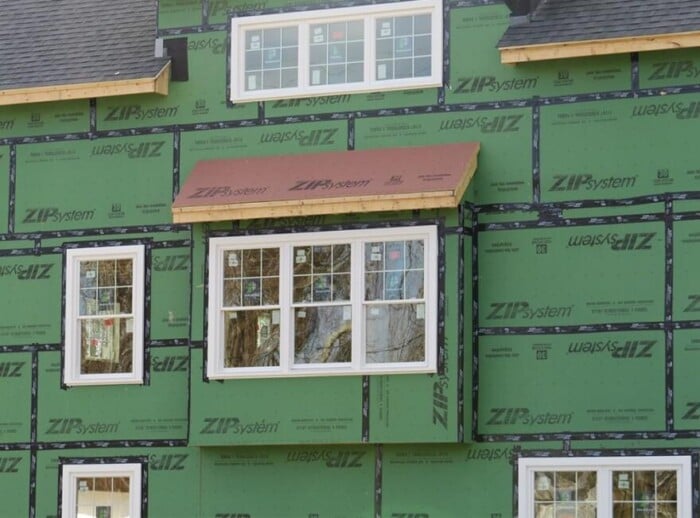
Data from a NH Housing report focused entirely on New Hampshire dispels the notion that affordable housing development in a community depresses the property values of nearby residences

When most people think about New Hampshire’s seafood industry, they picture the quintessential fishing village with commercial boats landing lobster or cod.
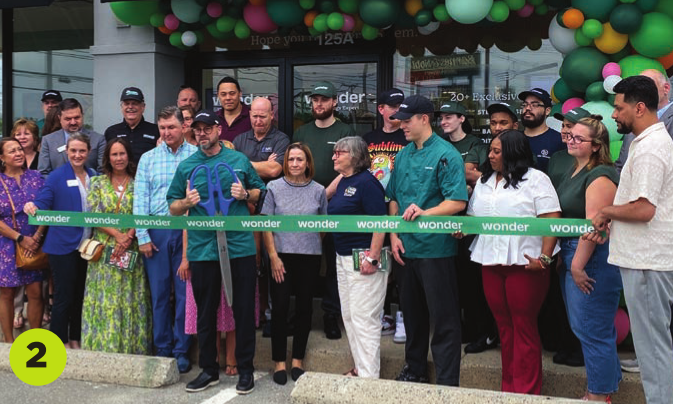
Business and event happenings around the state of NH

The Latest is a roundup of the comings and goings of the movers and shakers in NH's business community

If you live in Manchester or Concord, you probably don’t think twice about finding a doctor. There is a specialist within a few miles for almost anything you need. But if you live in Colebrook, or Lancaster, or any one of dozens of small communities spread across New Hampshire’s North Country, the picture looks very different, and the gap between those two realities is wider than most people realize.
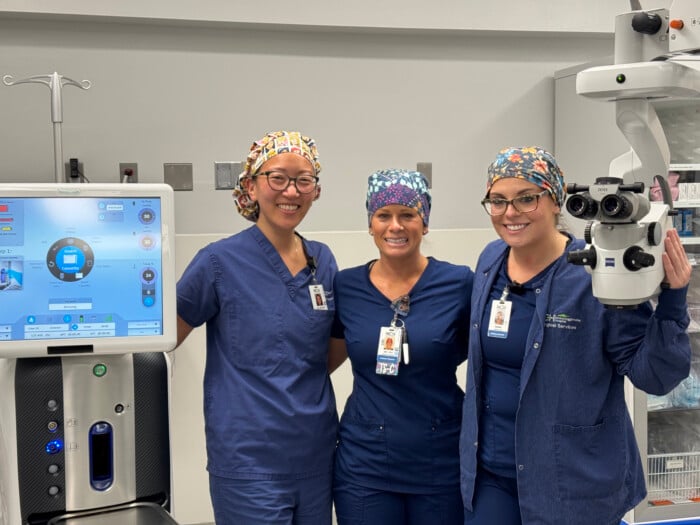
Androscoggin Valley Hospital (AVH), a member of North Country Healthcare in Berlin, performed its first cataract surgery in recent memory on August 20, 2026, a milestone made possible through the hospital’s partnership with North Country Ophthalmology, a physician-led alliance of board-certified MD ophthalmologists that began seeing patients at AVH in January.

Evan Clements and Precia Harthcock of Jaffrey love their 1926 home, but they acknowledge the drawbacks of houses built in that era. The room that is now their sitting room, for example, was once a porch that had been enclosed and is noticeably colder than other parts of the house. The second floor was much hotter than the first floor, and their kitchen was drafty.