Panel: Prioritize mental health wellness at work
Helping employees deal with stress, grief and depression can improve performance and retention
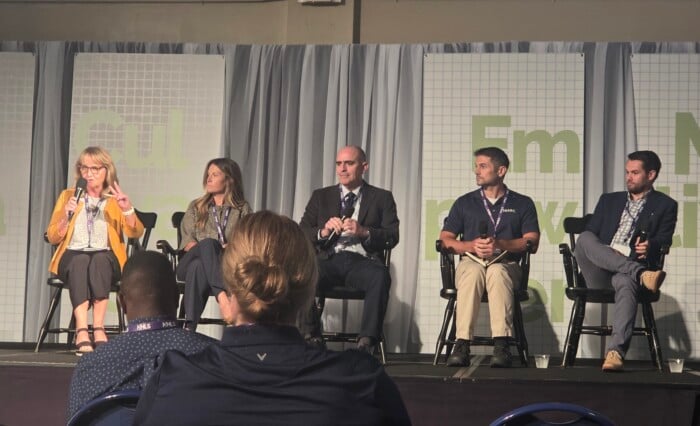
Mental health wellness is an important element in the workplace, according to a panel of experts convened by the NH Business Review in an April 16 webinar.
Anticipating and making accommodations for mental health issues — including depression, posttraumatic stress, even grief — can go a long way toward employee retention and prevention of potential legal issues involving the Americans with Disabilities Act (ADA) or the Family Leave and Medical Act (FMLA), they noted in their presentations.
“Letting somebody know that they’re going to be heard can make all the difference in the world, in retention, productivity and well-being for everyone,” said Madeline Hutchings of the Sheehan Phinney law practice (whose firm sponsored the talk).
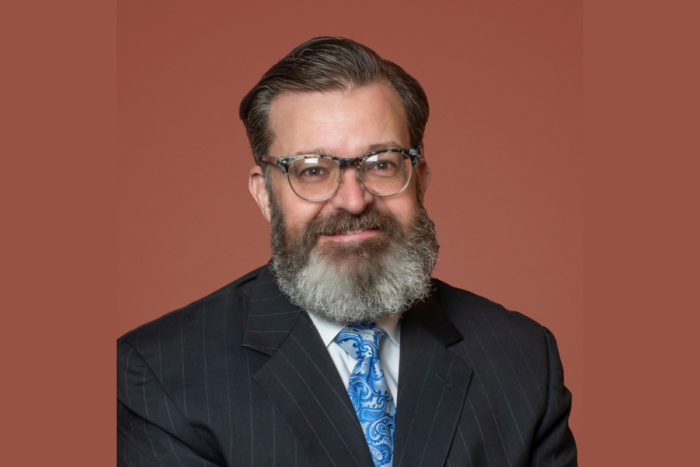
Hutchings, a lawyer as well as a psychotherapist, was joined in the forum by Cheryll Andrews, executive director of the Dismas Home of New Hampshire, and Jennifer Landon, a certified grief educator and coach.
Survey data presented by NHBR show that 1 in 3 employees say they’re merely surviving; 1 in 4 say their mental health declined in the past year; 1 in 2 report trouble staying focused or engaged at work, impacts that can affect a company’s culture and its bottom line.
Given her perspective as both a lawyer and psychotherapist, Hutchings talked extensively about “proactive accommodation” when it comes to knowing a workforce’s mental health needs, as well as tips on how to have conversations about mental wellness topics and responses to issues that might arise.
Andrews talked about the uniqueness of the Dismas Home, a structured recovery environment in Manchester (and soon Rochester) for justice-involved women, and how leadership there deals with workforce mental wellness as the workforce itself deals with the sometimes challenging mental wellness of the nonprofit organization’s clients.
Landon pointed out that the symptoms of grief — sleep disruption, weight loss, change in appetite, and increased substance use, to name a few — can overlap with mental health symptoms and greatly affect workplace performance.
Unlike a generation or two ago, today’s workforce is very aware of their mental and emotional temperature, one influenced by the COVID pandemic along with the pressures and expectations of acceptance amplified by social media, according to Hutchings.
“Think what you want about Gen Z, but the fact is that we have a generation entering the workforce, and in their backpacks, they carry the anxiety of lockdown, dramatically reduced opportunities to gain comfort with in-person social skills, and a public dialog where people are stressing over how unprepared they are,” said Hutchings.
She encouraged employers to anticipate mental wellness needs through what she called “proactive accommodation” — what can bosses look for, how they can talk about mental health issues, and what accommodations can be made for an individual to address a mental health concern.
“Good mental health prevents things like absenteeism, reduced productivity, employee turnover, lack of engagement and reduced quality of work,” she said.
Have a list of resources at the ready, Hutchings advised, and, if needed, be flexible enough to adjust the workspace for an individual.
“Look at the direct environmental condition that’s making those symptoms difficult in your workplace,” she said. “That’s your space, and it’s what you have control over, and really the kind of things you could and should be making recommendations over.”
For instance, she noted: “Distracting work areas can be modified with space enclosures, sound absorption panels or uninterrupted work time. If your employees work better with white noise or music, let them wear those headphones. Natural or full spectrum lighting can benefit everyone in the office with ADHD and concentration difficulties.”
Andrews stressed that managers at the Dismas Home try to lead by example when it comes to mental health wellness.
“It reinforces that it’s OK to take care of yourself without guilt or fear of judgment, and breaking the do as I say and not as I do barrier,” she said. “And that’s huge, because in the nonprofit world, we’re all going at warp 10 trying to cram in as much work as we possibly can.”
She gave an example of a personal experience when a jarring email she recently received threw her for an emotional loop. She closed her laptop, went outside, and took a 10-minute walk. She didn’t vent inside her office, take out her issues on others.
“When leadership consistently demonstrates the importance of good mental health through their own behavior, whether it’s by taking mental health days, or setting healthy boundaries or prioritizing self-care, it sends a powerful message that this is a priority at all levels of the organization, and it reassures staff that leadership not only talks about mental health, but practices what they preach,” Andrews said.
Landon reminded webinar participants that grief can come from a variety of sources: death of a loved one (including a pet), divorce, job loss, natural disasters, medical diagnosis and just the general state of the world.
“And the list goes on and on, and it’s so much bigger than we are actually aware,” Landon said. “We carry a lot of this grief into our workplace, and oftentimes what happens is that employers may see a performance issue when it could actually be related to grief.”
She cited an example of an employee whose performance had deteriorated. Rather than automatically getting the employee on a performance improvement plan, the company listened and learned that an employee’s parent had received a serious medical diagnosis.
“The employer actually worked with the employee and was able to provide different accommodations,” Landon said. “When you look at this as a recruitment and retention strategy, they did the right thing in helping this employee.”
Grief, as a wellness issue, can have the same negative impacts as depression or ADHD or posttraumatic stress.
“Grief leads to higher turnover, higher rates of absenteeism, weakened morale, costly on the job errors,” she said, noting another factor: presenteeism.
“Presenteeism is when I am here, physically. You can see me, I’m working. But I’m not here, emotionally, psychologically. I’m distant, and that can cause really significant errors, accidents and injuries,” she said. “So when an employee returns to work, it doesn’t mean that they’re returning to normal.”
The full webinar video is available at:
https://www.nhbr.com/mental-health-in-the-workplace-4-16-26/