The compliance trap in lead-generation services
This article outlines key considerations for U.S.-based companies that offer lead-generation services — i.e., selling lists of contact information for use in marketing or direct outreach.
A Keene electrical company has been fined over $18,000 after being cited by the Occupational Safety and Health Administration with several “serious” violations in connection with an employee’s death at Keene’s wastewater treatment plant in North Swanzey last August, OSHA records indicate.
Michael Knicely, an Alstead resident and employee of Hamblet Electric, died by electrocution when reaching into an energized switch gear operating at 480 volts, according to the records.
OSHA initially fined the Keene company $27,680 on Jan. 19, but informal settlements on Feb. 25 reduced the total to $18,500. The agency reported the case closed on April 26, and U.S. Department of Labor public affairs specialist Ted Fitzgerald said the company paid the fines in full.
In total, OSHA records list four “serious” violations found in the agency’s investigation.
The records cite the corresponding regulations, and include the initial and settled fines to the company, but don’t otherwise elaborate on OSHA’s findings.

This article outlines key considerations for U.S.-based companies that offer lead-generation services — i.e., selling lists of contact information for use in marketing or direct outreach.

Workforce reductions are never easy. Whether driven by economic uncertainty, industry shifts or strategic restructuring, layoffs can be some of the most difficult decisions business leaders face. At the same time, workforce reductions carry legal obligations that are easy to overlook, particularly under state law. In New Hampshire, one of the most misunderstood of those obligations is the state’s WARN Act.
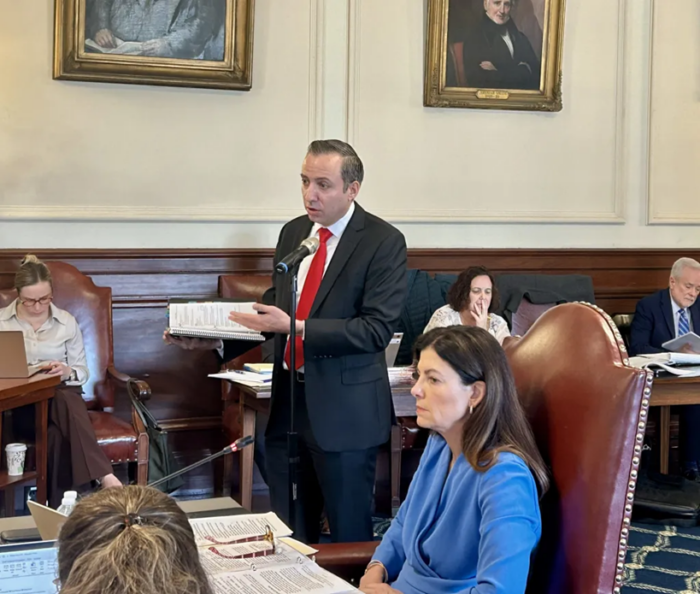
Nearly nine months after a controversial change to the Youth Development Center abuse claims process pushed the administrator from his job and stalled the proceedings for survivors, the fund now has a new leader.
A federal judge exceeded her authority by ordering the state to continue its mandatory vehicle inspection program after it was repealed, NH Attorney General John Formella argued in a legal filing Thursday, March 19, with the 1st U.S. Circuit Court of Appeals.
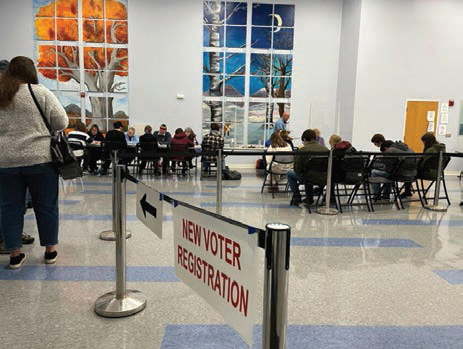
A federal judge heard opening arguments Monday, February 9, in a lawsuit challenging the constitutionality of a 2024 state law that requires first-time voters in New Hampshire to show proof of U.S. citizenship when they register.
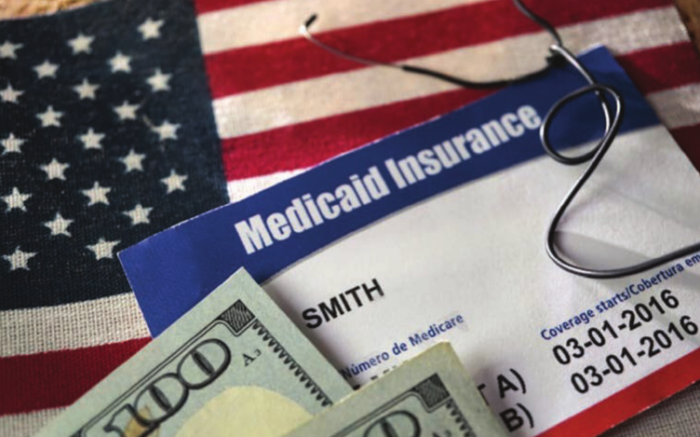
Some state officials and lawmakers are concerned that New Hampshire’s incoming Medicaid premium system may conflict with provisions in Congress’ One Big Beautiful Bill Act.

A judge has dismissed a lawsuit filed by more than 70 Hampton taxpayers who argued the town’s 2024 revaluation — which led to increased tax bills — was conducted unfairly and unlawfully.

Now that 2026 is underway, New Hampshire employers should turn their attention to the state’s new Parental Medical Leave law (PML). Effective January 1, 2026, most employers with 20 or more employees are required to provide unpaid leave to allow employees to attend childbirth-related medical appointments, postpartum care and pediatric visits during a child’s first year.

In 2024, computer programmers from DeepMind won the Nobel Prize in chemistry for developing an AI that predicts protein folding. If AI that is advanced enough to simulate protein folding (and allow programmers to win the world’s top chemistry prize) has arrived, is the law any more complicated? Why should lawyers invest time learning about various facets of the law to draft briefs or contracts, when they can task AI?