Does technology liberate you or enslave you?
When you can organize and manage things properly, it’s amazing how much you can accomplish without living at work
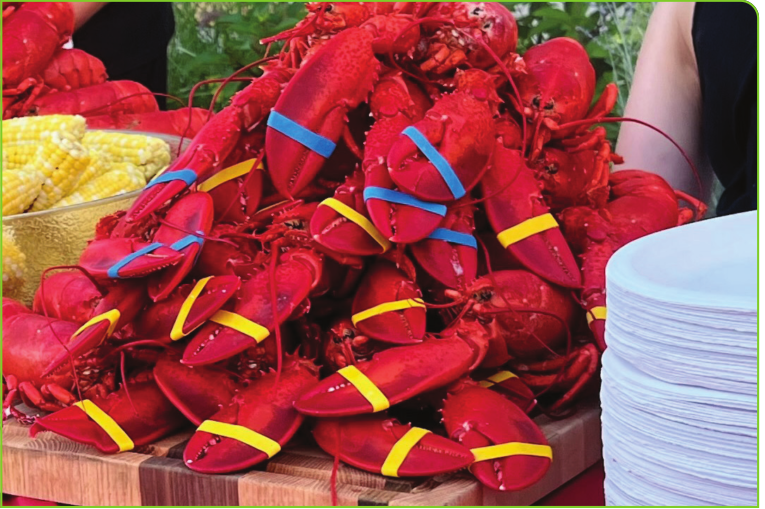
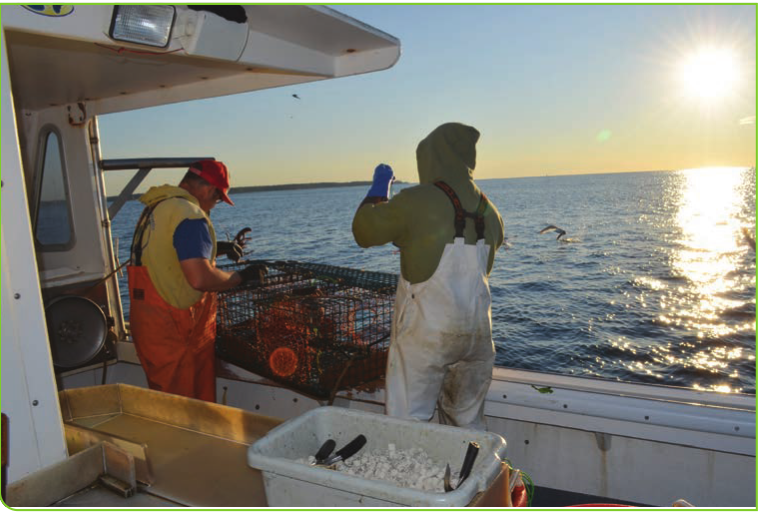
When most people think about New Hampshire’s seafood industry, they picture the quintessential fishing village with commercial boats landing lobster or cod. While fishing is certainly part of the story, New Hampshire’s seafood economy is much larger, more modern and more interconnected than many realize.
New Hampshire’s seafood sector is comprised of commercial and recreational wild-capture fisheries, aquaculture businesses, seafood distribution and handling, working waterfront businesses, seafood retail markets, restaurants and the broader network of businesses that support them.
These businesses extend across the state, though they are most concentrated in the Seacoast Region. While modest in size compared to neighboring coastal states, the sector is an important driver of New Hampshire’s economy, employment and cultural identity.
Economic Impact Data for 2023 from the National Marine Fisheries Service’s annual commercial fisheries landing database showed that New Hampshire’s seafood sector supported more than 3,700 jobs, generated nearly $222 million in annual sales, contributed over $110 million in additional value-added economic activity, and provided almost $88 million in wages, salaries and earnings by people working in these industries.
In 2024, NH Fish and Game reported that commercial fishermen landed approximately 11.3 million pounds of seafood, while recreational fishing contributed additional economic activity through tourism, outdoor recreation and related spending.
Beyond the boat
These numbers tell an important story: Local seafood is not a niche commodity. Rather it is a working economic sector that produces food, supports businesses, creates jobs and contributes to the vitality of not only our coastal communities but the state as a whole.
Our seafood economy is a connected system of businesses, infrastructure, people, partnerships and markets. Every pound of seafood harvested in our waters generates economic activity that has ripple effects beyond the boat. From the dock to the table, seafood supports a network of dealers, processors, wholesalers, retailers, restaurants, transportation providers and consumers. Marine mechanics maintain vessels. Fuel providers service fleets. Ports and harbors support both commercial and recreational users. Researchers work alongside industry partners to address challenges, improve efficiency and develop new opportunities.
Consumers seek access to fresh, locally harvested seafood.
Our fishing and seafood industries attract tourists and residents alike while our ports and working waterfronts are critical economic and community assets. New Hampshire’s ports and harbors support commercial fishing, aquaculture operations, recreational boating, tourism, marine transportation, public access and emergency-response activities.
While important for the seafood, tourism and outdoor recreation economy, waterfront infrastructure faces increasing pressures from aging facilities, different perspectives on use of coastal areas, rising costs, and changing storm and flooding impacts.
As we know from other states, once working waterfront access is lost, it can be difficult or impossible to replace. Protecting and investing in these waterfront assets is therefore essential to sustaining New Hampshire’s seafood economy, coastal communities and maritime heritage.
Seafood belongs in New Hampshire’s food economy
Only about 3.1% of the food consumed in New Hampshire is produced locally, underscoring both the state’s dependence on imported food and the opportunity to strengthen local and regional food production.
In 2025, the NH Food Alliance published the first-ever New Hampshire Food and Agriculture Strategic Plan — an actionable road map to increase farm, fish and food business viability and foster equity across the state’s food system. At a time when conversations about local food systems continue to grow, seafood has rightly assumed a more prominent place in the discussion.
Seafood harvested from New Hampshire waters and farmed by local aquaculture businesses represents a food production sector with the potential to expand regional supply while connecting consumers directly to locally produced products. As consumers increasingly seek local products and transparent supply chains, seafood offers an opportunity to strengthen both economic resilience and regional food security.
A sector worth seeing and supporting
New Hampshire’s seafood economy might not be on everyone’s mind, but its contributions are significant and extensive. The sector supports thousands of jobs, generates hundreds of millions of dollars in economic activity, provides locally harvested food and sustains the working waterfronts that help define the state’s cultural identity.
The seafood sector is not simply an industry of the past; it is an active, productive and innovative part of New Hampshire’s present and future. Investing in seafood means investing in jobs, food production, coastal infrastructure, community resilience and the future of New Hampshire’s economy, both on the coast and statewide.
The opportunity is on the table to ensure that investment, policy and public awareness reflect its true value to our state. And while we might not all spend time at the coast or out on a boat, one of the simplest ways to invest in this sector is by choosing NH seafood and spreading the word about the role of seafood in our state.
Every purchase supports local fishers, seafood farmers, seafood businesses and working waterfronts that help to build a healthy and resilient seafood economy for New Hampshire.
Dr. Gabriela Bradt leads UNH Extension and NH Sea Grant’s Sustainable Fisheries and Aquaculture team, which supports the state’s fishing and seafood sectors.
When you can organize and manage things properly, it’s amazing how much you can accomplish without living at work

Cyber and payment fraud losses are board-level risks for every organization, escalating the need for strong, modern security systems
At Coca-Cola Beverages Northeast (Coke Northeast), sustainability means creating shared value by operating responsibly today while building a resilient tomorrow.

It’s October and as the leaves fall, town budget committees, school boards and select-boards are beginning the process that will culminate in Town Meeting as snow starts to melt in March. The famous quote is that “all politics is local,” but in New Hampshire so are budgets.

Preliminary data indicates that nonfarm employment in New Hampshire rose by 1.1% from January through July 2026, but fell short of a full recovery from job losses during 2025.

Leadership isn't measured by the title you hold or the deals you close. It's measured by the doors you open for others - especially for the next generation.

When most people think about New Hampshire’s seafood industry, they picture the quintessential fishing village with commercial boats landing lobster or cod.
It’s not often that an institutional leader embarks on a mission to eliminate their job. That is the proposal of Cathy Provencher, the current chancellor of the University System of New Hampshire.

“It’s a shallow life that doesn’t give a person a few scars.” — Garrison Keillor Change is a fundamental aspect of growing as a person, but sometimes it can be pretty difficult.