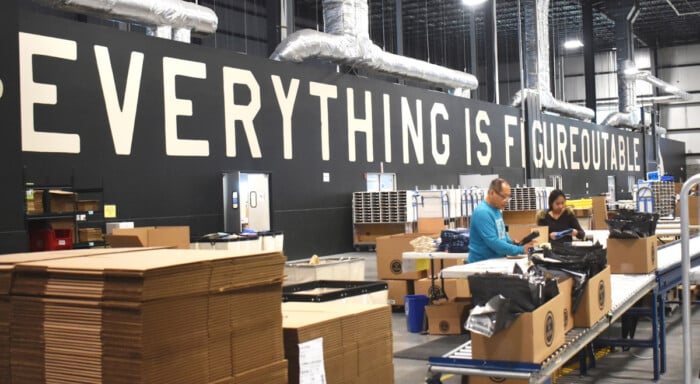
The Latest: Week of January16, 2026
The Latest is a roundup of the comings and goings of the movers and shakers in NH's business community
Sections
Extras
Connect With Us
The Southern NH HIV/AIDS Task Force, 111 Locke St., Suite 101, is looking for donations to start a quilting project for individuals and families living with or affected by HIV.
The idea is to provide an on-site quilting studio where members can learn to make quilts for themselves or others in the community.
As well as providing a creative outlet, the studio will give people an opportunity to focus on something other than illness; to be together for a positive purpose.
The task force is in need of a few working sewing machines, fabric, batting and thread, as well as general sewing and rotary cutting supplies.
For a delivery time for donations, call 595-8464. Monetary contributions are also welcome, and can be earmarked for quilting.
The Latest is a roundup of the comings and goings of the movers and shakers in NH's business community
Cyberattacks now threaten organizations of every size and industry. Preventive security measures remain the strongest defense, but even the most sophisticated safeguards cannot guarantee immunity. Our panelist looks at what your organization should do if it’s been the victim of a cybersecurity breach.
When it comes to building and preserving wealth, most investors understand the importance of asset allocation — determining the right mix of stocks, bonds and other investments based on their risk. But there’s another layer of strategy that often gets overlooked: asset location.
How leaders can use January to set their organization up for a successful year
Three policy decisions from 2025 that will shape life in New Hampshire in 2026 and beyond
The federal government will give with one hand and take with another when it comes to New Hampshire’s rural health care system in 2026.
As of April 2024, roughly 30% of New Hampshire workers were over 55, and more than 210,000 residents are expected to reach traditional retirement age in the coming decade.
When New Hampshire called for more housing, the Lakes Region answered, and development in several central cities and towns took off fast. Then, the gas ran out.
Loss of manufacturing jobs contributed to our housing crisis