Managing shadow AI: a 10-point governance road map
Unapproved and unmonitored AI use is spreading inside businesses faster than leadership teams know, and it may be one of the biggest privacy and security blind spots companies have today.

Unapproved and unmonitored AI use is spreading inside businesses faster than leadership teams know, and it may be one of the biggest privacy and security blind spots companies have today.

Supporters of fewer restrictions on cannabis in NH see glimpse of a possible future

Londonderry’s Town Council is at odds over legal matters pertaining to hiring outside law firms to handle complaints and allegations of misconduct against the town manager.

On May 28, 2026, the U.S. Department of Labor’s Wage and Hour Division (DOL) published four new opinion letters addressing a variety of Fair Labor Standards Act (FLSA) questions.

As Service Credit Union (SCU) seeks a new chapter of federal bankruptcy for an unfinished senior living campus in Littleton, it filed a lawsuit in state court last month against the owners and lenders, whom it accuses of coordinated fraud and embezzlement involving a $30 million SCU construction loan.
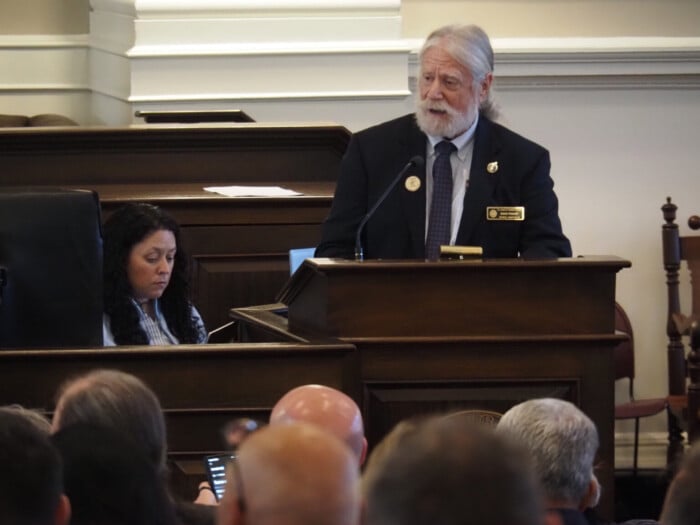
The New Hampshire House and Senate sent three bills to Gov. Kelly Ayotte intended to enable more housing construction, overcoming opposition from the New Hampshire Municipal Association and others.
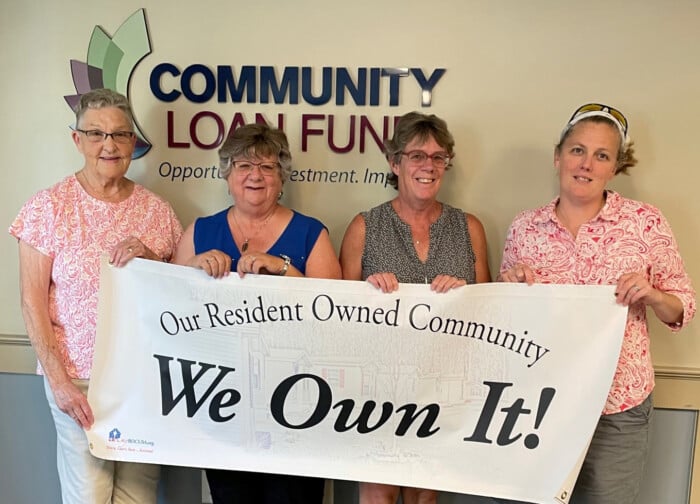
Landmark legislation that originated in New Hampshire 43 years ago is being put to the test today as for-profit investors snap up manufactured home communities here and across the country.

When a public charity is formed, the focus is often on the organization’s purpose, the application for 501(c)(3) tax-exempt status and board structure.
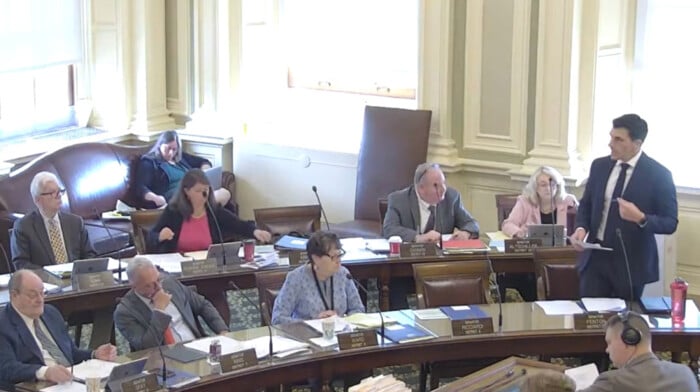
A bill that would have allowed New Hampshire employers to set their own minimum pay policy for workers, skirting the state’s two-hour requirement, died in the state Senate after passage by the House two months ago.

This article outlines key considerations for U.S.-based companies that offer lead-generation services — i.e., selling lists of contact information for use in marketing or direct outreach.