What employers need to know about new workplace rule interpretation
NLRA guidance contains a more employer-friendly view
Bottomline Technologies Inc.’s top two executives received nearly 30 percent more in total compensation in fiscal year 2005 from the previous year, according to a proxy statement filed Oct. 20 with the Securities and Exchange Commission.
The Portsmouth company, which specializes in payroll technology, paid CEO Joseph L. Mullen a total compensation of $1.3 million fiscal year 2005, which ended June 30, including options valued at more than $825,000. That’s an increase of 28 percent from the previous year.
CFO Robert A Eberle, who also took over Mullen’s title of president in August of 2004, took more than $1.18 million, including options valued at more than $732,000, a 30 percent increase over the previous year.
The filing noted that the compensation package reflected company performance goals.
A performance graph showed that the company’s stock — which had been performing below both Nasdaq and the Nasdaq Computer and Data Processing indexes — had roughly caught up to those indicators in June 2005. — BOB SANDERS

NLRA guidance contains a more employer-friendly view

This article outlines key considerations for U.S.-based companies that offer lead-generation services — i.e., selling lists of contact information for use in marketing or direct outreach.

Business and event happenings around the state of NH

The Latest is a roundup of the comings and goings of the movers and shakers in NH's business community

Planning for the future, particularly as a business owner, requires more than a simple will. Our panelist of professionals explore the fundamentals of estate planning, from choosing between wills and trusts to preparing for incapacity and business succession. Their insights highlight how thoughtful planning can protect assets, reduce legal complications, maximize financial benefits and ensure your wishes are carried out for both family and business interests.

Workforce reductions are never easy. Whether driven by economic uncertainty, industry shifts or strategic restructuring, layoffs can be some of the most difficult decisions business leaders face. At the same time, workforce reductions carry legal obligations that are easy to overlook, particularly under state law. In New Hampshire, one of the most misunderstood of those obligations is the state’s WARN Act.
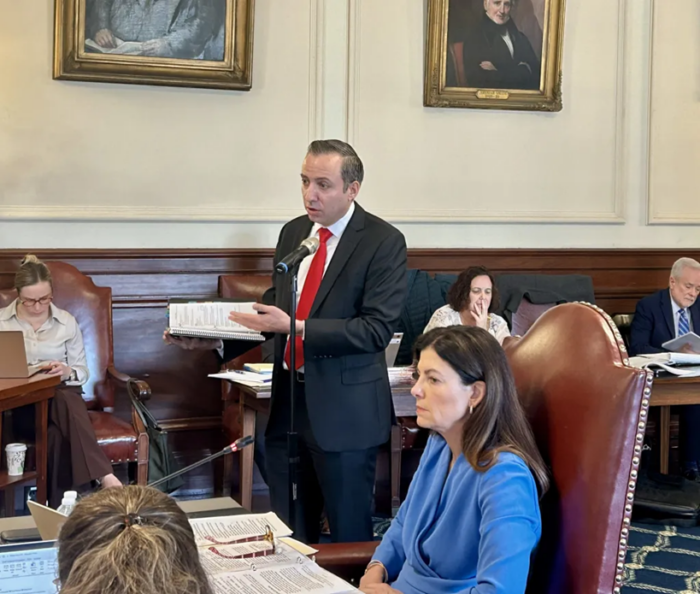
Nearly nine months after a controversial change to the Youth Development Center abuse claims process pushed the administrator from his job and stalled the proceedings for survivors, the fund now has a new leader.

With the permanent passage of the One Big Beautiful Bill Act this past summer, Opportunity Zones (OZ) are being reset, and with it, an opportunity for New Hampshire to shape what comes next. The question is whether we’re ready and whether municipalities, developers and state leaders are aligned to act.
April is National Child Abuse Prevention Month. New Hampshire Children’s Trust (NHCT), in collaboration with our national partner, Prevent Child Abuse America (PCAA), uses this month as an opportunity to spread awareness about ways to stop child abuse and neglect before it happens.