Zone in on change: potential implications of HB 631
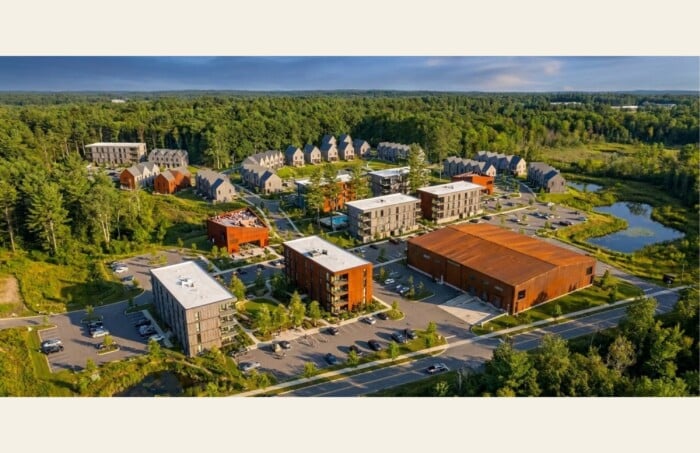
The 2023 New Hampshire Statewide Housing Needs Assessment predicted the state needs roughly 60,000 additional housing units by 2030 to keep up with its growing population.

The 2023 New Hampshire Statewide Housing Needs Assessment predicted the state needs roughly 60,000 additional housing units by 2030 to keep up with its growing population.

Driven by a need for specially educated supervisors at police departments, Great Bay Community College has introduced a certificate program to help create the next generation of law enforcement supervisors

Melissa represents developers, landlords, and tenants in the transactions that shape commercial real estate, with a particular focus on retail and mixed-use development and leasing

Anyone who has taken a transmission line or a wind farm through New Hampshire’s Site Evaluation Committee knows the process is long, expensive and can be fraught with complication.

Artificial intelligence has moved from pilot project to daily practice inside many HR departments.

Published annually, “The Best Lawyers in America®” is an exhaustive search for the country’s top attorneys. Here is a compilation of the top attorneys who practice in New Hampshire in dozens of legal specialties related to the needs of businesses,…

SB 482, which goes into effect in December, sets a daily conversion limit of $2,000 per digital transaction kiosks.

Most privately held companies view legal counsel as an expense that arrives after a dreaded event. A contract dispute surfaces, an employee threatens a claim, a deal stalls in diligence, and only then does the phone call to outside counsel get made.

Lakefront property owners should understand their rights to the water

New Hampshire is wading into the fight over federal hemp regulation.