Citizens Bank picked a most opportune time for a session on how people can cope in today’s challenging economy.
It occurred Nov. 3, the day after the mid-term elections where the issue of affordability played a major role in Democratic sweeps of elected positions up and down the ballot both here in New Hampshire and across the country.
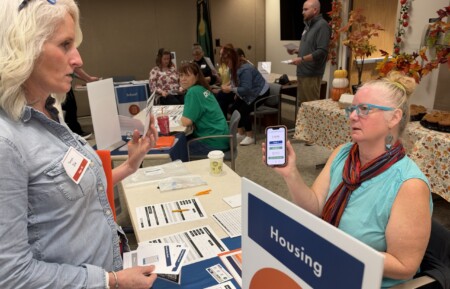
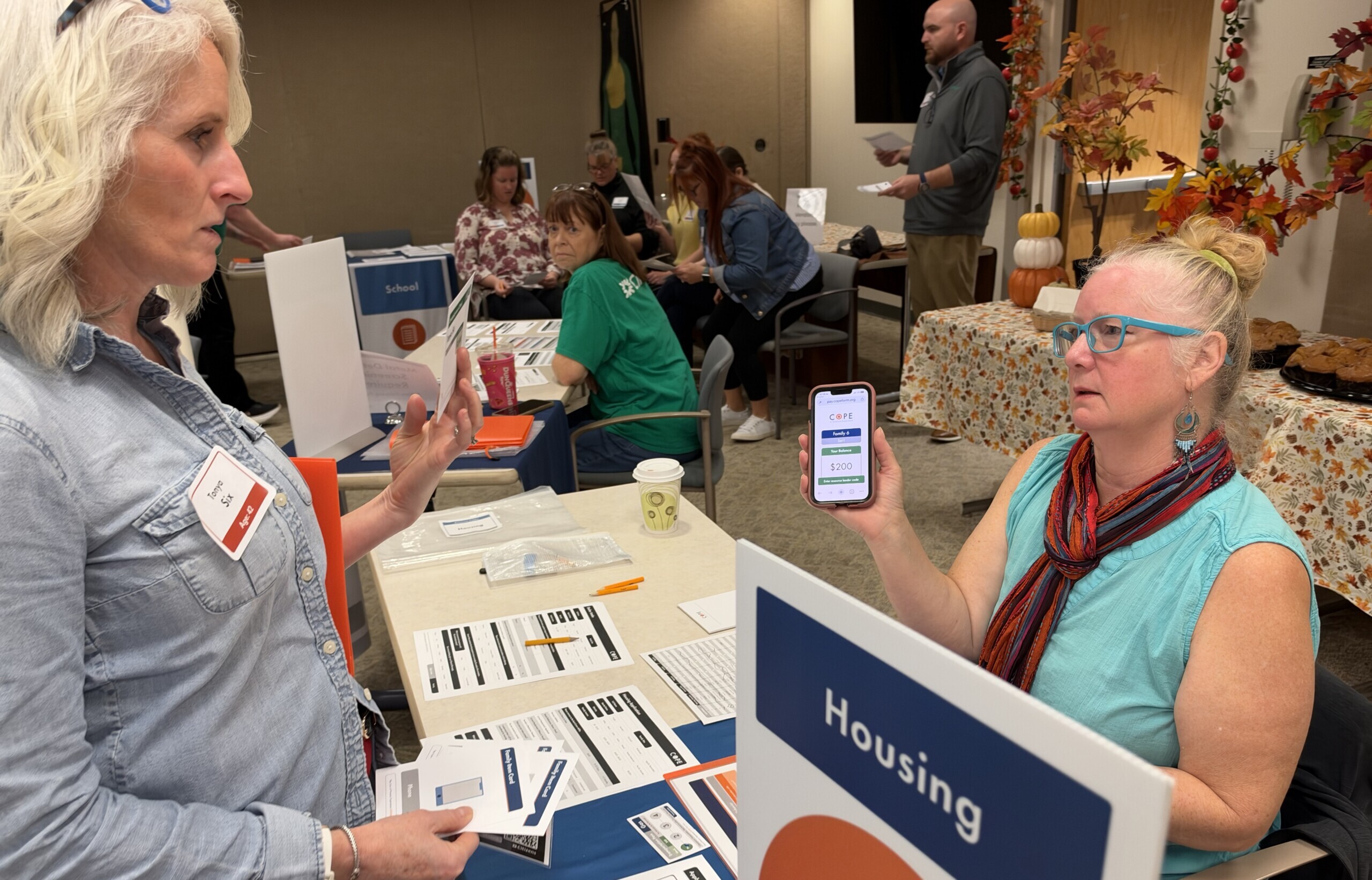
CUTLINE: An immersive exercise in poverty and affordability took place in Manchester, put on by Citizens Bank and Elliot Health Systems to give participants a sense of the financial struggles faced by families and individuals. (Courtesy photo)
Citizens, partnered with Elliot Health Systems, brought business and community leaders together in Manchester for COPE, the Cost of Poverty Experience, described as an immersive simulation in which participants navigate the financial decisions and barriers faced by real families with limited resources.
“Coming the morning after Election Day, the conversation felt particularly timely and brought a very human perspective to the broader affordability and economic issues we discussed,” said Laura Ruiz, corporate communications manager at Citizens.
The idea was this: Take the real-life situations of families facing certain financial hardships and simulate how they might deal with those situations. Participants from a number of businesses and organizations had to make what amounted to a month’s worth of decisions about getting to work, paying for housing and utilities, securing food, accessing healthcare and childcare, and balancing competing needs with limited time and resources.
“Today’s experience showed how quickly one unexpected challenge can create a ripple effect for families already working with limited resources,” said Marc Lubelczyk, Citizens New Hampshire state president.
“At Citizens, COPE helps us better understand those realities and brings community leaders together to think about how we can strengthen partnerships and create greater economic opportunity for the communities we serve,” he added.
Participants included representatives from NAMI New Hampshire, Big Brothers Big Sisters, CASA of NH, the Granite YMCA, the International Institute of New England, Boys & Girls Clubs of Greater Manchester, Manchester Community College and The Mental Health Center of Greater Manchester,
They took on identities of real families facing poverty, such as single parents, senior citizens, or individuals managing health conditions without stable income.
They dealt with a number of very specific real-life scenarios, such as: a divorce forces a young mother to move in with her aging parents, a young man with an associate’s degree from a local tech school tries to find a job suited to his education while working part-time as a cook, a financially struggling parent tries to navigate the juvenile justice system that’s ensnared a child, a woman with two special needs children clings to the hope that someday things will get better.
The immersive poverty simulation program was created by the Ohio-based social justice nonprofit Think Tank Inc.
In their post-experience discussion, participants talked about the frustration, anxiety, guilt and impatience they experienced and how quickly one thing going wrong could set off a chain of additional challenges when there was little financial or logistical breathing room. Another theme that stood out was how difficult it can be to plan ahead when you’re constantly focused on getting through the immediate challenge in front of you, and how isolation can compound those pressures.
Both the real-life simulations and the debriefing afterwards helped participants relate how to shape their organizations’ response to individuals and families facing financial hardship.
This is the second year that Citizens Bank teamed up with Elliot Health Systems to hold a COPE session.
Statistics show just how many Granite Staters live on the margins of financial disaster, even those who live above the poverty line.
A report from United For ALICE, a research and action project led by the United Way of Northern New Jersey, highlights the struggles of working families across the country and in each state.
ALICE stands for Asset Limited, Income Constrained, Employed, and it assigns a ALICE Household designation to individuals and families that earn above the federal poverty level but less than what it actually costs to afford basic necessities in their local community.
In New Hampshire, according to the 2026 report, it identified 47,504 households that live in poverty but 151,962 ALICE Households. It said 35% of New Hampshire households fall below ALICE threshold.