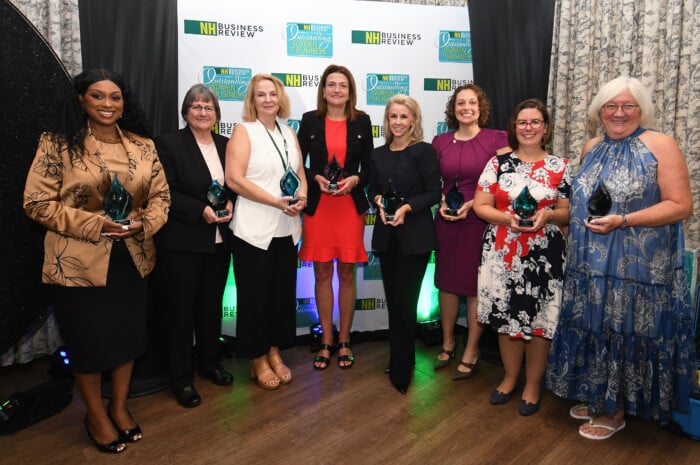
2026 Outstanding Women in Business Event Photos
The 2026 Outstanding Women in Business event was held on September 15, 2026, at LaBelle Winery in Derry.

Kris Puskar & Kelly Mulholland
Eastern Bank entered the New Hampshire market in 2015, when it acquired Centrix Bank in Bedford. The Boston-based bank operates seven branches in New Hampshire and more than 125 in its overall footprint in eastern Massachusetts and Rhode Island.
Kris Puskar, senior vice president and business banking director, and Kelly Mulholland, senior vice president and NH business banking team leader, recently appeared as guests on NH Business Review’s “Down to Business” podcast with editors Amanda Andrews and Mike Cote. This story was adapted from the interview.
Q. Let’s start with your respective career journeys. Kris, how long have you been with Eastern Bank? What’s your objective in your role?
Kris Puskar: I’ve been with Eastern since 2017. I run a couple of different groups for the bank. I’m the head of the business banking group, in which we focus on companies roughly $10 million in annual revenue and less, so small to medium-sized businesses. I also run the (Small Business Administration) team, which focuses a lot on SBA lending for our small business customers. I run the Treasury sales and service group as well.
Kelly Mulholland: I have the team that covers New Hampshire and a small portion of Northern Mass. We’re really looking to get out into the community and help businesses with the items that they’re looking for to solve any challenges that they might have.
Q. With the current economic challenges that every business is facing — inflation, impact of tariffs, high gas prices spiked by the war with Iran, workforce shortages, AI — what’s the outlook for the small businesses you’ve been working with?
Puskar: There’s a lot of uncertainty right now with small business customers. It’s a little bit of a tough time to get a read on sort of where the economic environment is headed. It’s making a lot of small business owners cautious. Do I expand now?
Do I buy that piece of equipment? Or do I just hold where I’m at and wait and see how things shake out? We see a lot of customers doing that. They’re sort of hunkering down, and I think they’re looking at things that are a little bit more within their control. They might be looking at, can I pay down some of my debt right now? Can I refinance some of my debt right now? Can I look for a better interest rate on my savings or money market account right now? We’re trying to help the small business customer navigate those conversations and provide them as many options as we can to help them in their day-to-day operations.
Q. We’re celebrating Small Business Month in May. How do you work with small businesses in your community?
Puskar: Small Business Month is really about helping celebrate small businesses and the impact they have both locally and nationally, to our communities, to our employment rates, to revenue generation. We try to get to as many events as we can. We sponsor a bunch of events. We host a bunch of events.
Mulholland: We support our small businesses in New Hampshire by showing up in person and working alongside of them. Many business owners tell us that they value our face-to-face interactions. When we come to them it gives us the opportunity to see firsthand the businesses that they’ve built … and they view us as part of their team. We’re able to gain a deeper understanding of their challenges and goals. And then we’re able to return to them with tailored solutions.
Q. What would you say the level of lending is right now compared to maybe a slightly less risky time than we are in at the moment?
Puskar: It’s a little bit of a loaded question because we’ve been in a little bit of a risky time since 2020, but that’s true. If you look at 2020 through 2022, it was a lot of focus around PPP (Paycheck Protection Program) and EIDL (Economic Injury Disaster Loan), government-sponsored programs. After that, things started to return a lit bit to more normalized states. You did see some loan demand spike a little bit in 2023 and 2024, maybe like early 2025 as well. Then, as there was just a lot of changes that were going on both at the national and local level, you started to see people later in 2025 and early 2026 here start to hunker down a little bit more again. We do see loan demand a little bit lower than we had through 2023 to early 2025.
Q. How does an environment like this affect how you lend, how you work with companies and measure whether a company is a good risk?
Puskar: There’s been a lot of loan demand since about 2022 for startup businesses and a lot of acquisitions of existing businesses. That market is great for the economy and for job creation. But they are by nature a little bit riskier loans. How do they get things started or continue along things or turn businesses around that may have been struggling? We look to leverage as many programs in the community that we have, like the Small Business Administration, and leveraging their SBA guarantees that make the bank feel a little bit more comfortable and providing that type of financing.
The 2026 Outstanding Women in Business event was held on September 15, 2026, at LaBelle Winery in Derry.

Annual summit scheduled as NH welcomes company from Massachusetts
Data from a NH Housing report focused entirely on New Hampshire dispels the notion that affordable housing development in a community depresses the property values of nearby residences
When most people think about New Hampshire’s seafood industry, they picture the quintessential fishing village with commercial boats landing lobster or cod.
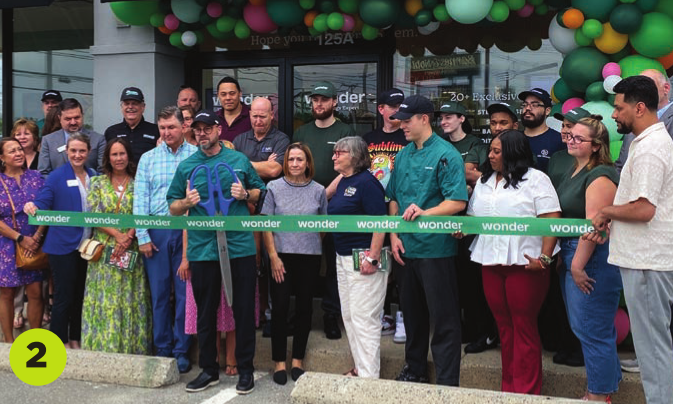
Business and event happenings around the state of NH

The Latest is a roundup of the comings and goings of the movers and shakers in NH's business community

If you live in Manchester or Concord, you probably don’t think twice about finding a doctor. There is a specialist within a few miles for almost anything you need. But if you live in Colebrook, or Lancaster, or any one of dozens of small communities spread across New Hampshire’s North Country, the picture looks very different, and the gap between those two realities is wider than most people realize.
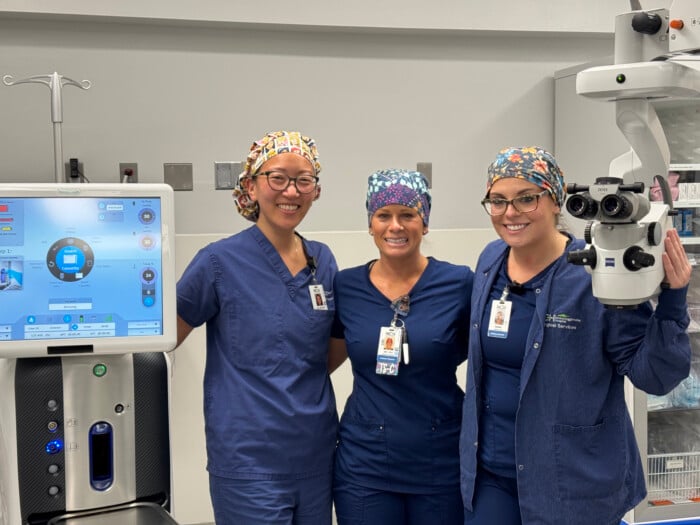
Androscoggin Valley Hospital (AVH), a member of North Country Healthcare in Berlin, performed its first cataract surgery in recent memory on August 20, 2026, a milestone made possible through the hospital’s partnership with North Country Ophthalmology, a physician-led alliance of board-certified MD ophthalmologists that began seeing patients at AVH in January.
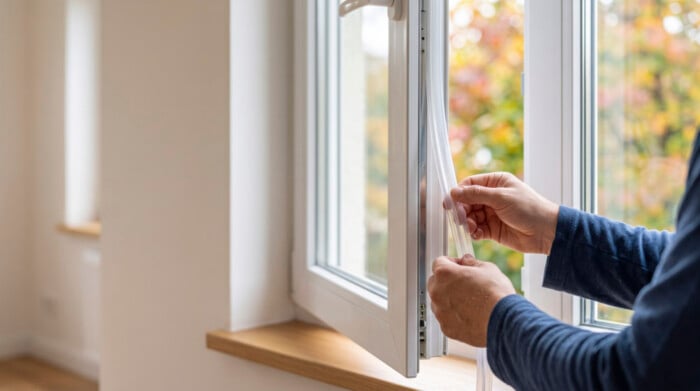
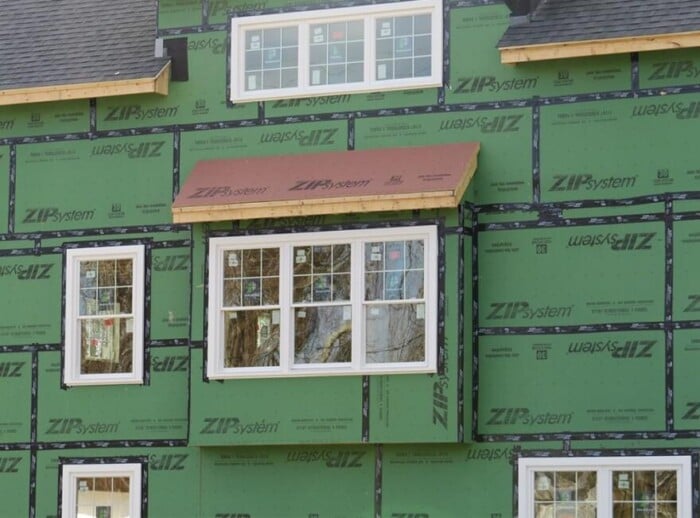
Evan Clements and Precia Harthcock of Jaffrey love their 1926 home, but they acknowledge the drawbacks of houses built in that era. The room that is now their sitting room, for example, was once a porch that had been enclosed and is noticeably colder than other parts of the house. The second floor was much hotter than the first floor, and their kitchen was drafty.