Workforce is both an opportunity and challenge for NH manufacturers
Annual summit scheduled as NH welcomes company from Massachusetts
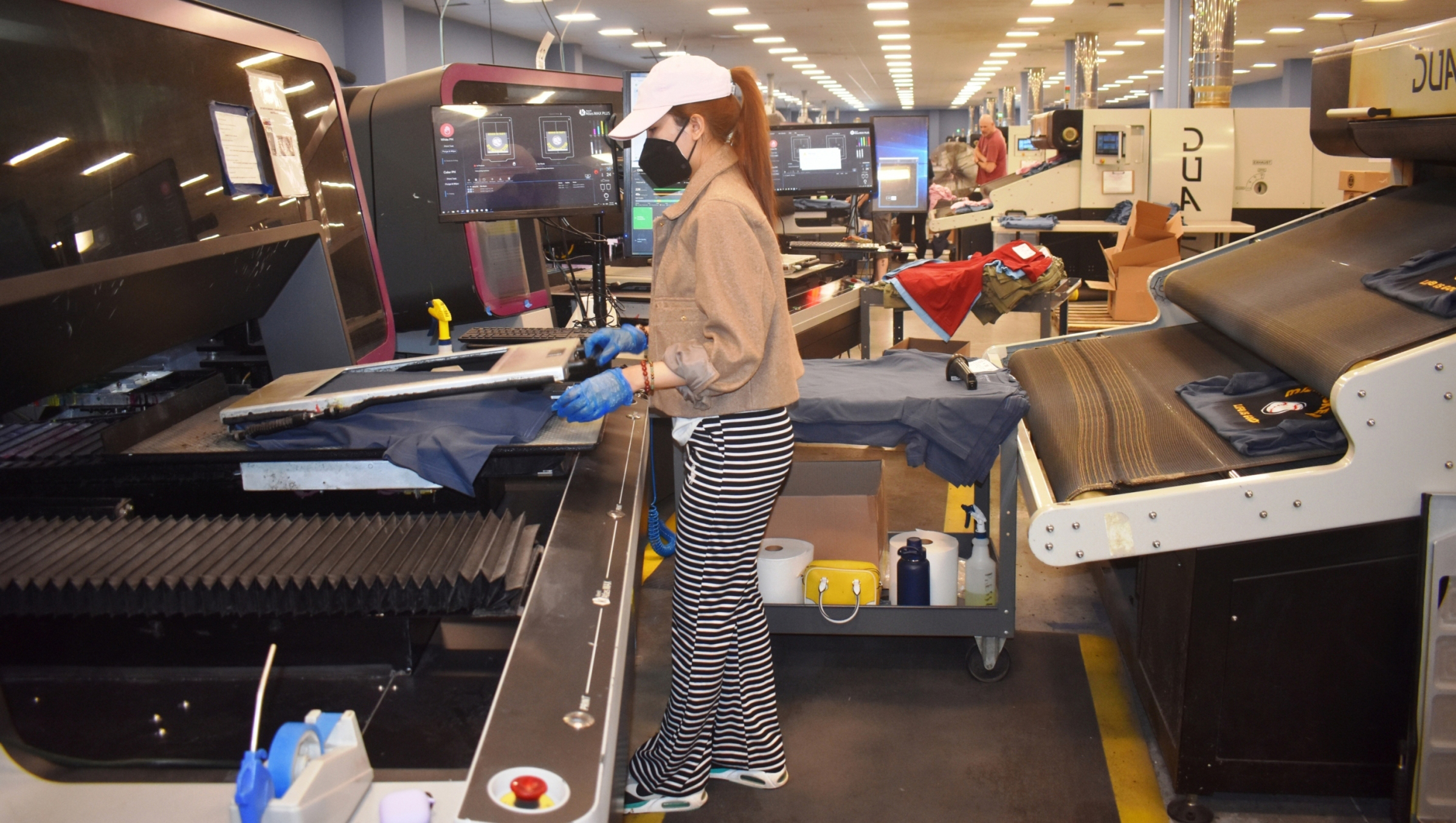
An employee of Life is Good in Hudson prints a T-shirt at the company. (Photo by John Koziol)
Life is good at Life is Good, the maker of “premium tees that radiate optimism and foster connection,” which served as host of the last Granite Outdoor economy series March 25 at its massive production and fulfillment center facility in Hudson.
Sponsored by the Granite Outdoor Alliance (GOA), The Nature Conservancy and NH Business Review, the invitation-only series looked at New Hampshire’s outdoor industry and the challenges it faces beginning with sessions at Adventure Ready Brands in Littleton and then at Badger Balm in Gilsum.
Based on feedback from attendees — who included representatives from nonprofits and state agencies, elected officials, manufacturers and business owners — GOA will create a report and action plan to present to lawmakers.
In a conference room at Life is Good’s 504,000-square-foot facility, the conversation focused around how to recruit and retain employees and how to address the need for affordable housing and child care, much as it did at the previous two sessions.
The conversation dwelt also on the relationship between businesses and the state and federal government; on building “more resilient businesses;” on how to better promote the “real” New Hampshire advantage, which is living and working in the state’s outdoor playground; and on how artificial intelligence might be a good thing for both businesses and employees.
That double benefit, said Tom Hassell, president of Life is Good, is what has happened at his company. He urged his guests to not be afraid of AI but to give it a try, even if just a little bit at a time. Embracing technology has become essential for the company during a time of uncertainty created by President Donald Trump’s imposition of varying tariffs.
“We dubbed this ‘the year of efficiency,’” said Hassell, adding Life is Good “leaned into more robots and AI,” the latter which “now has hands.”

Jake, the mascot of the Life is Good company in Hudson. (Photo by John Koziol)
“Our stance has been to protect the worker, not the work,” Hassell said. When Life is Good brought on 102 robots at its Hudson plant, no employee was let go, he said.
Asked what, if any lesson, Life is Good learned from its automation experience, Hassell replied that “building trust with the organization is key.”
When the robots came to Life is Good, most everyone working there then was afraid, with Hassell acknowledging that the employees worried that the robots would take their jobs.
“But we said, ‘We got your back,’” Hassell recalled telling employees, adding that AI, in his opinion, “will drastically shift the type of work that we’re doing.”
“The type of work that we’re doing,” he continued, “is the type of work nobody wants to do.”
He said people will get more interesting jobs because of AI and that the burden is on businesses to make that happen.
Taylor Caswell, who moderated the Granite Outdoor Economy discussion at Life is Good and is the former commissioner of the NH Department of Business and Economic Affairs, said businesses may have to individually or together do some of the job training that the state is not doing or doing robustly enough.
Speakers, among them from the NH Marine Trades Association and the NH Brewers Association, brought up that more could be done to bring high school students, via certification programs, into the jobs pipeline for their respective industries.
Andrew Harris at Burgeon Outdoor, a manufacturer of adventure clothing in Lincoln and Gorham, said that to expand, his company needs to hire more seamstresses, but there is no place where those job skills can be found in-state.
Janel Lawton, who is the director of the BEA’s Outdoor Recreation Industry Development, said the launch of the NH Business Gateway will help act as a “clearinghouse of resources” for businesses.
According to the Gateway (www.nhbusinessgateway.gov/s/), it is a centralized place with “more than 100 business-related tools and resources from across state agencies and community partners, removing the guesswork and allowing business owners to move forward with confidence and efficiency.”
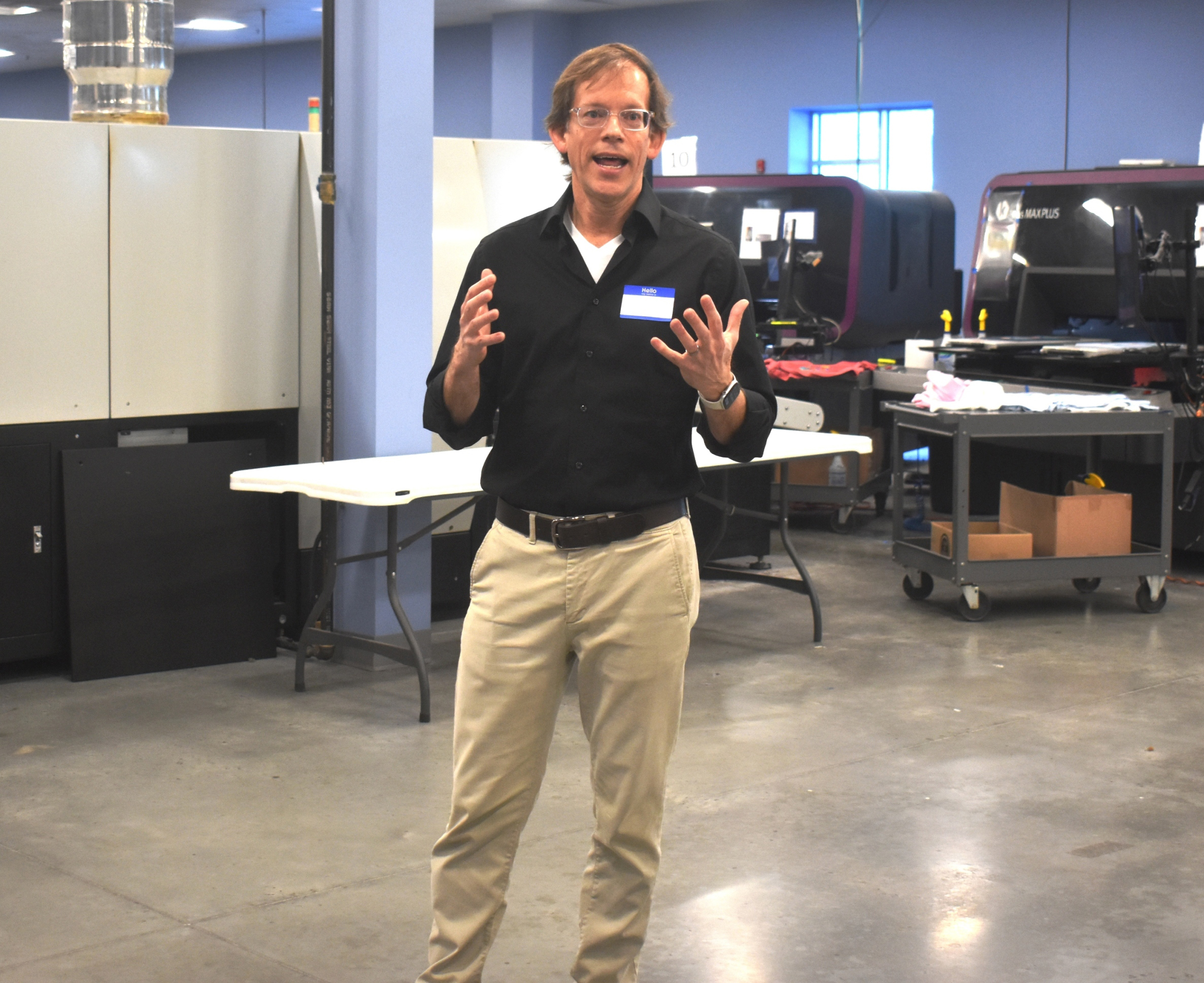
Tom Hassell, president of Life is Good in Hudson, addresses a group of visitors to the company on March 25. (Photo by John Koziol)
The site also promotes “great success stories,” Lawton said.
Caswell reminded attendees that there is both a cachet in being a “Made in NH” company and a very practical benefit, too.
The state is responsible for marketing “Made in NH” products and services, he said.
Lawton said her agency worked last year with the Granite Outdoor Alliance on an outdoor recreation lifestyle toolbox, which echoed “so much of what we said today” as to New Hampshire being a highly desirable place to live and work precisely because of the outdoor opportunities here.
Tyler Ray, the founder and director of the GOA, said the March 25 Granite Outdoor Economy Series session at Life is Good offered attendees “an incredibly insightful conversation.”
He said he was struck by how adaptable businesses are to the challenges they face and encouraged smaller companies “to get under the hoods of bigger companies” to see what they might have done in a certain situation and if that could be applicable to themselves.
”Collaborate to innovate,” Ray said. “Keep the conversation going.”
Earlier, Hassell said Life is Good has weathered several challenges since 2020, among them the coronavirus pandemic, a tripling in the price of cotton, and now, the Trump tariffs.
Contrary to some popular theories, “You can’t raise your prices” commensurately with the rise in production costs, Hassell said.
In a summary email, Ray wrote that the Granite Outdoor Economy sessions were productive and useful.
“Across industries, what we heard clearly is that long-term strength isn’t just about individual business performance; it’s about how well the system supports succession, services and shared growth. As ownership transitions, workforce evolves and markets shift, increasing connectivity between businesses, support organizations and public partners become essential. That’s how we build a more resilient and durable outdoor economy in New Hampshire,” Ray said.
The session at Life is Good showed that automation isn’t the challenge but the need to bring your workforce along with it.
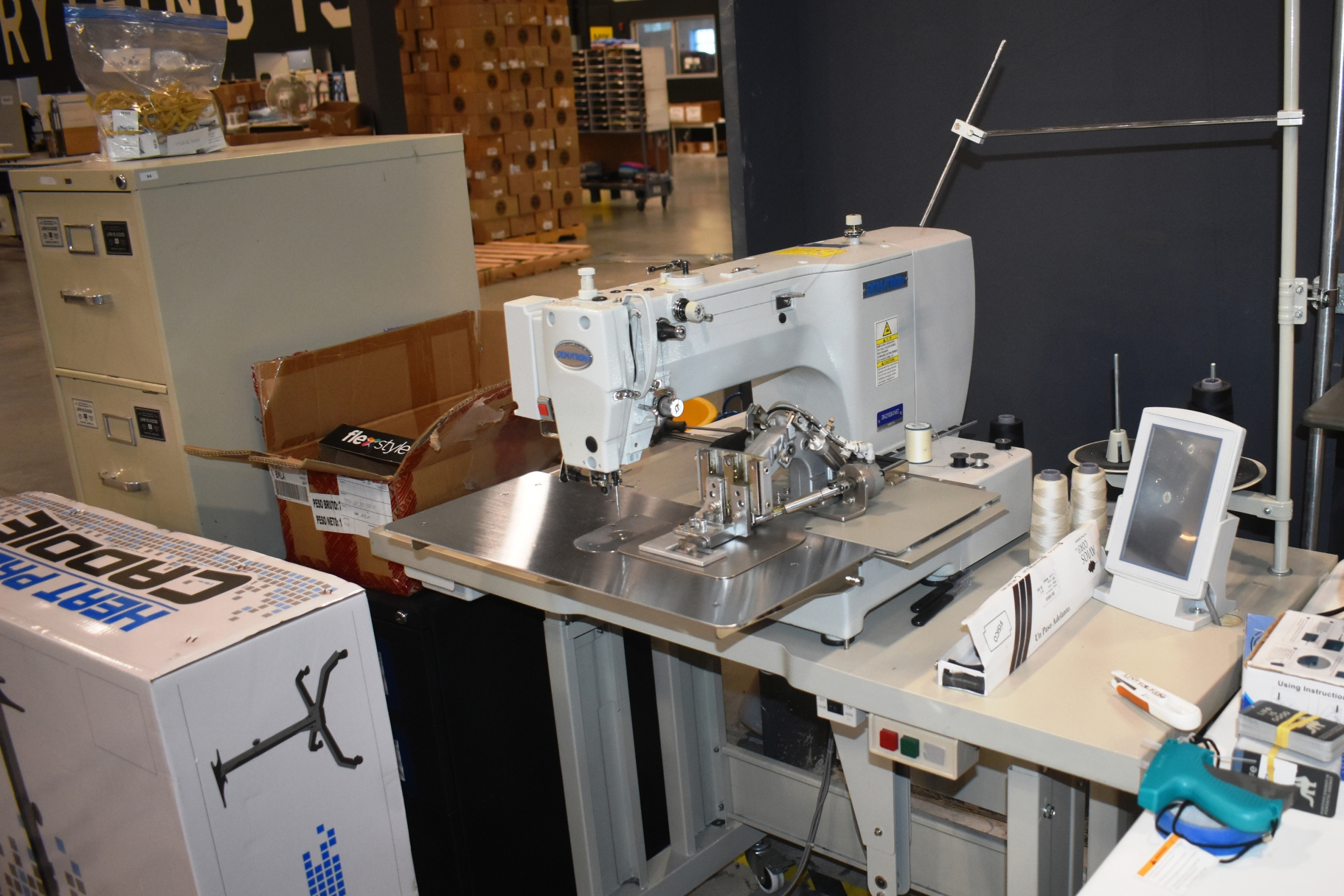
An automated sewing machine at Life is Good in Hudson. (Photo by John Koziol)
“The businesses that will lead are the ones investing in reskilling, retention and culture at the same time,” Ray said. “Life is Good showed that you can modernize operations without losing the human side of the business.”
Overall, the sessions taught that “constraint isn’t effort; it’s alignment,” Ray said. “The opportunity now is to focus where better coordination can unlock momentum across workforce, business and policy, allowing the system to work as one.”
Annual summit scheduled as NH welcomes company from Massachusetts
Data from a NH Housing report focused entirely on New Hampshire dispels the notion that affordable housing development in a community depresses the property values of nearby residences

If you live in Manchester or Concord, you probably don’t think twice about finding a doctor. There is a specialist within a few miles for almost anything you need. But if you live in Colebrook, or Lancaster, or any one of dozens of small communities spread across New Hampshire’s North Country, the picture looks very different, and the gap between those two realities is wider than most people realize.
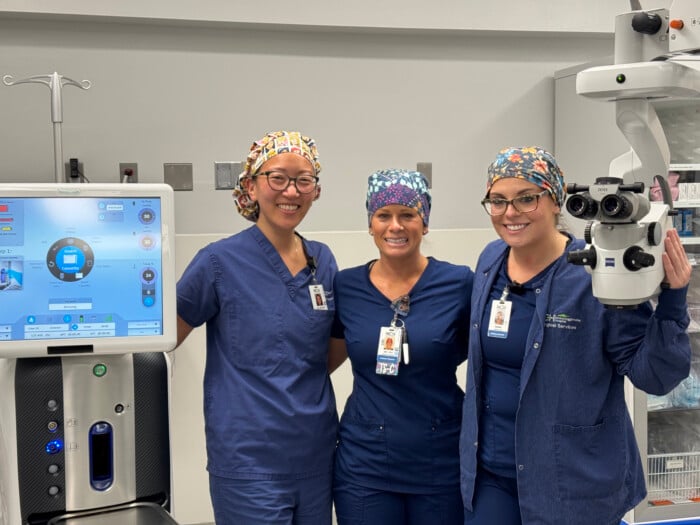
Androscoggin Valley Hospital (AVH), a member of North Country Healthcare in Berlin, performed its first cataract surgery in recent memory on August 20, 2026, a milestone made possible through the hospital’s partnership with North Country Ophthalmology, a physician-led alliance of board-certified MD ophthalmologists that began seeing patients at AVH in January.
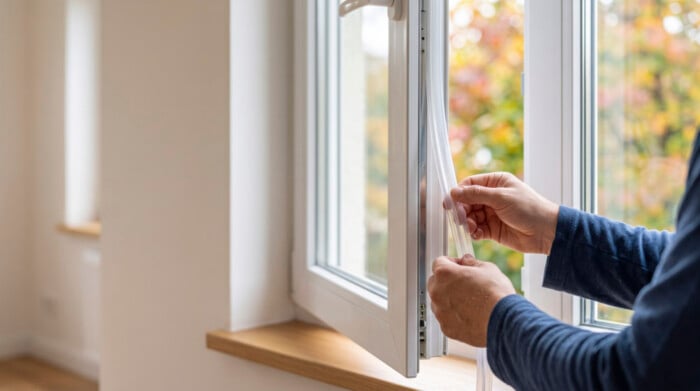
Evan Clements and Precia Harthcock of Jaffrey love their 1926 home, but they acknowledge the drawbacks of houses built in that era. The room that is now their sitting room, for example, was once a porch that had been enclosed and is noticeably colder than other parts of the house. The second floor was much hotter than the first floor, and their kitchen was drafty.
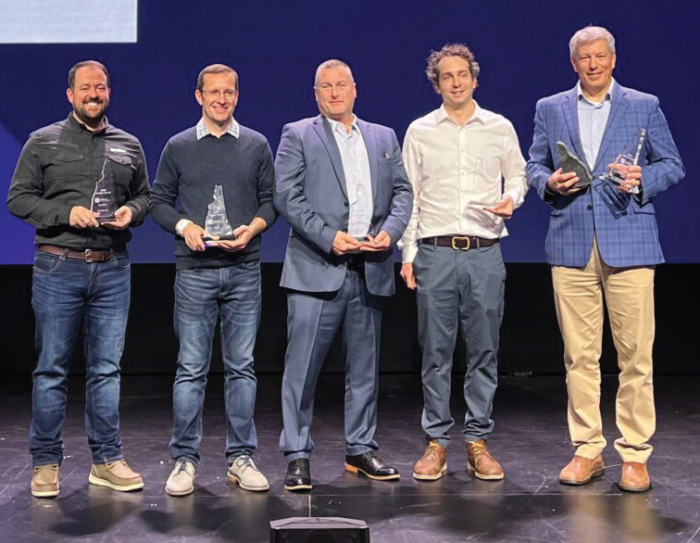
The NH Tech Alliance is seeking applications from New Hampshire technology and life sciences companies for its 20th annual Product of the Year competition, which will showcase some of the state’s most innovative new products and significant product advancements.

F.L. Putnam (FLP), a growing financial services company based in Lynnfield, Mass., is bullish on New Hampshire.

Employee co-op takes over Wilton publisher Earth Sky + Water as founder retires

New report cites Tradeport’s ‘uniquely important role in New Hampshire’s economic architecture’ as executive director looks toward ‘retooling’ for life science users