(Opinion) The state of New Hampshire’s veterans
We have a responsibility to provide services to those who served for us

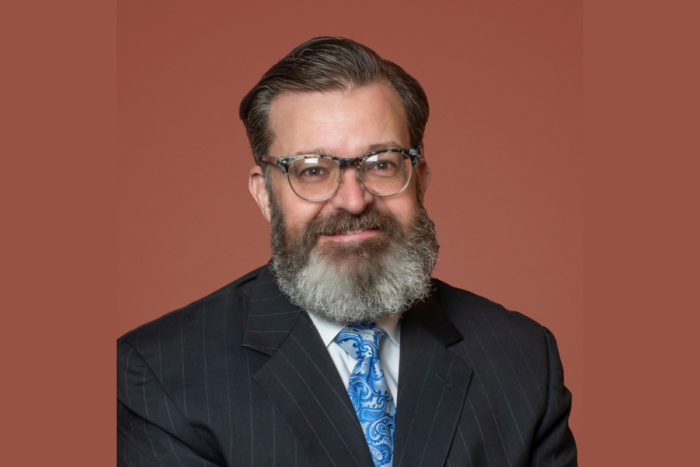
Philip and Julie Taub
VETERANS
By: Philip and Julie Taub
New Hampshire is home to 81,535 veterans, including 8,893 female veterans. They are our neighbors, co-workers, coaches, business owners, public servants, parents and friends. They have served our nation. Now the question is whether we are serving them with the urgency, coordination and compassion they deserve.
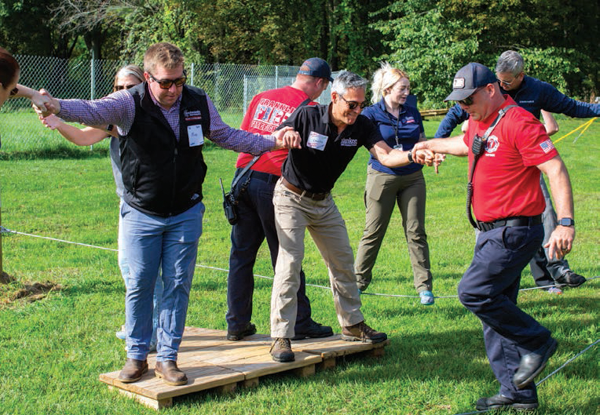
At Swim With A Mission, we recently organized our 6th annual Veterans Summit, bringing together representatives from 60 veteran service organizations, the Manchester VA, the New Hampshire Department of Military Affairs and Veterans Services, the New Hampshire National Guard, Gov. Kelly Ayotte, members of the New Hampshire Legislature and other key stakeholders.
The purpose was simple: listen, learn and collaborate. What we heard was both encouraging and sobering.
New Hampshire has extraordinary people and organizations working every day to support veterans. For the last 10 years, Swim With A Mission has helped these organizations meet each other, build trust and form partnerships.
That collaboration matters. No single organization can meet every need, but together we can do far more.
We also heard clearly what the challenges are. Summit attendees told us the top issues facing New Hampshire’s veterans are difficulty finding benefits, isolation and loss of purpose or connection, and lack of affordable housing. They told us the top issues facing veteran service organizations are lack of funding, difficulty finding staff and volunteers, and the challenge of finding veterans in need. And they told us the issues they most want to address together are improving collaboration, helping veterans find benefits and services, and reducing veteran suicide.
These concerns are not abstract. Since the attacks of 9/11, New Hampshire has lost 96 active-duty service members killed in action or killed in training. In that same period, more than 2,000 have died by suicide as a result of their service. That number should stop every one of us in our tracks.
We must reduce the stigma around asking for help and accepting help for mental health issues. Strength is not silence. Courage is not suffering alone. Veterans need to know that seeking support is not weakness; it is an act of survival, leadership and hope.
Veterans also need to hear from other veterans. Buddy checks save lives. A phone call, a cup of coffee, a text message or a knock on the door can make all the difference. Veterans understand one another in ways others often cannot. That connection is powerful, and we need more of it.
There is progress to celebrate. New Hampshire’s homeless veteran population, historically concentrated in Manchester and often around 150 people, is declining, in large part because Manchester has housed 136 formerly homeless veterans thanks to a great team led by Mayor Jay Ruais and Harbor Care. New Hampshire is also the only state in the country with a campus of affordable housing and wraparound services for veterans, located in Franklin and run by Easterseals.
But larger trends demand attention. New Hampshire’s veteran population is projected to decline to 50,000 by 2053. At the same time, the suicide rate among veterans in New Hampshire is increasing. A smaller veteran population must not become a less visible one.
Our responsibility is clear. We must help veterans find the benefits they earned. We must expand affordable housing. We must fund and staff the organizations doing the work. We must strengthen partnerships. And we must build a culture where every veteran knows they are seen, valued and never alone.
New Hampshire can be the best state in America for veterans. But it will happen only if all of us decide that service deserves service in return.
Philip and Julie Taub are co-founders of Swim With A Mission.