The compliance trap in lead-generation services
This article outlines key considerations for U.S.-based companies that offer lead-generation services — i.e., selling lists of contact information for use in marketing or direct outreach.
Workforce reductions are never easy. Whether driven by economic uncertainty, industry shifts or strategic restructuring, layoffs can be some of the most difficult decisions business leaders face. At the same time, workforce reductions carry legal obligations that are easy to overlook, particularly under state law. In New Hampshire, one of the most misunderstood of those obligations is the state’s WARN Act.
Most employers have at least heard of the federal Worker Adjustment and Retraining Notification Act, commonly known as the WARN Act. At its core, a WARN law is about notice. These statutes are designed to ensure that workers, communities and government agencies receive advance warning before significant job losses occur, giving people time to prepare, seek new employment or mobilize support services.
What often comes as a surprise, however, is that, in addition to the federal WARN Act, New Hampshire has its own version of WARN, and it applies more broadly than many business owners expect.
New Hampshire’s WARN law is enforced by the New Hampshire Department of Labor. While it shares the same general purpose as the federal WARN Act, it has important differences that can have real consequences for employers who assume federal compliance tells the whole story.
Perhaps the most significant difference is who is covered. Under federal WARN, notice requirements typically apply only to employers with 100 or more employees. New Hampshire’s law, by contrast, can apply to employers of any size if a qualifying employment action affects 25 or more employees at a single work site. That lower threshold means that many small and midsize employers, who may never have considered WARN compliance before, can find themselves subject to the statute’s requirements.
The types of events that trigger New Hampshire WARN obligations are also broader than some employers realize. The law applies to mass layoffs, plant closings and relocations that result in job loss.
Importantly, not all layoffs have to be permanent to count. Temporary layoffs that extend beyond certain time limits may qualify as an “employment loss” under the statute. Simply calling a reduction “temporary” does not automatically avoid notice requirements if the end result is that employees are out of work longer than permitted under the statute.
Timing is another area where employers can get tripped up. It is important to remember that New Hampshire’s requirements operate alongside federal law rather than replacing it. When both apply, employers must assess compliance with each statute independently. Delaying notice while internal decisions are finalized can inadvertently put an employer out of compliance, even if the delay feels operationally reasonable at the time.
Who receives notice matters just as much as when it is sent. Under New Hampshire WARN, written notice must go not only to affected employees (or their union representatives, if applicable), but also to the New Hampshire Department of Labor and local government officials, including the chief elected official of the municipality where the work site is located.
There are some common pitfalls in the New Hampshire WARN Act that savvy employers will avoid. Employers sometimes miscount employees by failing to aggregate layoffs that occur close together or by excluding workers they assume are “parttime” or “temporary.” Relocations can also be overlooked, particularly when operations move but the business itself continues. Depending on the distance of the move and whether employees are offered continued employment, a relocation can trigger New Hampshire WARN obligations even without a traditional shutdown. And perhaps most commonly, employers assume that compliance with federal WARN automatically means compliance with New Hampshire’s law, which is not the case.
The consequences of noncompliance can be significant. Employers may face liability for back pay and benefits, civil penalties imposed by the state and, in some cases, court orders requiring corrective action. Beyond the legal exposure, WARN violations often draw unwanted attention from employees, municipalities and the media, creating a potential for reputational risk to what is already a challenging business moment.
For New Hampshire employers, the takeaway is that planning matters. Evaluating WARN obligations early in the decisionmaking process, carefully counting affected employees, coordinating state and federal requirements, and documenting timelines can go a long way toward reducing risk. Seeking guidance before notices are due can make a meaningful difference.
New Hampshire’s WARN Act is also a reminder that state-specific employment laws play an increasingly important role during periods of economic change. With lower thresholds and distinct notice requirements, the New Hampshire WARN Act can apply to employers who never expected to confront WARN compliance issues at all. Understanding those obligations in advance helps protect, not only the business, but also employees and the communities in which New Hampshire companies operate.
Attorney Adam Hamel is director of McLane Middleton’s Litigation Department and vice chair of its Employment Practice Group. He can be reached at adam.hamel@mclane.com.

This article outlines key considerations for U.S.-based companies that offer lead-generation services — i.e., selling lists of contact information for use in marketing or direct outreach.

Workforce reductions are never easy. Whether driven by economic uncertainty, industry shifts or strategic restructuring, layoffs can be some of the most difficult decisions business leaders face. At the same time, workforce reductions carry legal obligations that are easy to overlook, particularly under state law. In New Hampshire, one of the most misunderstood of those obligations is the state’s WARN Act.
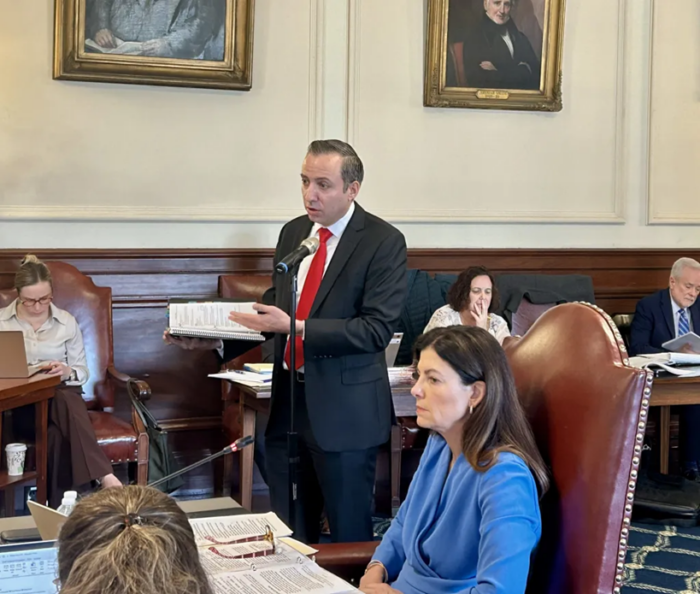
Nearly nine months after a controversial change to the Youth Development Center abuse claims process pushed the administrator from his job and stalled the proceedings for survivors, the fund now has a new leader.

A federal judge exceeded her authority by ordering the state to continue its mandatory vehicle inspection program after it was repealed, NH Attorney General John Formella argued in a legal filing Thursday, March 19, with the 1st U.S. Circuit Court of Appeals.
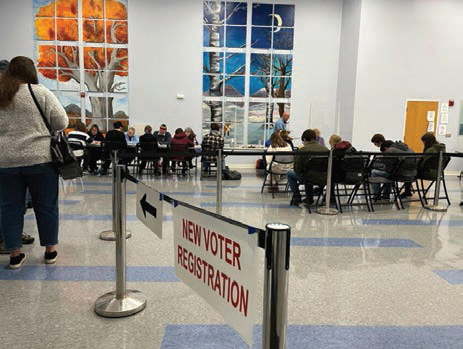
A federal judge heard opening arguments Monday, February 9, in a lawsuit challenging the constitutionality of a 2024 state law that requires first-time voters in New Hampshire to show proof of U.S. citizenship when they register.
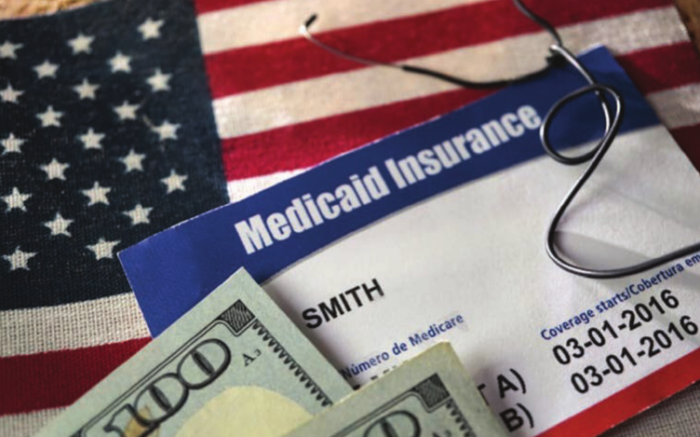
Some state officials and lawmakers are concerned that New Hampshire’s incoming Medicaid premium system may conflict with provisions in Congress’ One Big Beautiful Bill Act.

A judge has dismissed a lawsuit filed by more than 70 Hampton taxpayers who argued the town’s 2024 revaluation — which led to increased tax bills — was conducted unfairly and unlawfully.

Now that 2026 is underway, New Hampshire employers should turn their attention to the state’s new Parental Medical Leave law (PML). Effective January 1, 2026, most employers with 20 or more employees are required to provide unpaid leave to allow employees to attend childbirth-related medical appointments, postpartum care and pediatric visits during a child’s first year.

In 2024, computer programmers from DeepMind won the Nobel Prize in chemistry for developing an AI that predicts protein folding. If AI that is advanced enough to simulate protein folding (and allow programmers to win the world’s top chemistry prize) has arrived, is the law any more complicated? Why should lawyers invest time learning about various facets of the law to draft briefs or contracts, when they can task AI?