What employers need to know about new workplace rule interpretation
NLRA guidance contains a more employer-friendly view
MILFORD – As of 11:30 Saturday morning, residents were no longer asked to boil their tap water before using it, according to a news release issued by Town Administrator Katie Chambers.
The boil order was issued as a precaution Friday when a town water main broke. Town officials also recommended that drinking water be boiled to prevent any bacterial contamination that may have made its way into the system during the break. Repairs are now complete and test results indicated the absence of bacterial contamination.
“It is safe to drink the water and to use the water for all normal activities,” the release stated.
A water line broke overnight Friday and leaked roughly 1 million gallons, shutting down town schools out of concern that sprinkler systems wouldn’t work. The Milford water system serves 3,200 residential and business customers – about two-thirds of Milford, as well as a small number in southwest Amherst. The rest of Milford is served by private wells.

NLRA guidance contains a more employer-friendly view

This article outlines key considerations for U.S.-based companies that offer lead-generation services — i.e., selling lists of contact information for use in marketing or direct outreach.

Business and event happenings around the state of NH

The Latest is a roundup of the comings and goings of the movers and shakers in NH's business community

Planning for the future, particularly as a business owner, requires more than a simple will. Our panelist of professionals explore the fundamentals of estate planning, from choosing between wills and trusts to preparing for incapacity and business succession. Their insights highlight how thoughtful planning can protect assets, reduce legal complications, maximize financial benefits and ensure your wishes are carried out for both family and business interests.

Workforce reductions are never easy. Whether driven by economic uncertainty, industry shifts or strategic restructuring, layoffs can be some of the most difficult decisions business leaders face. At the same time, workforce reductions carry legal obligations that are easy to overlook, particularly under state law. In New Hampshire, one of the most misunderstood of those obligations is the state’s WARN Act.
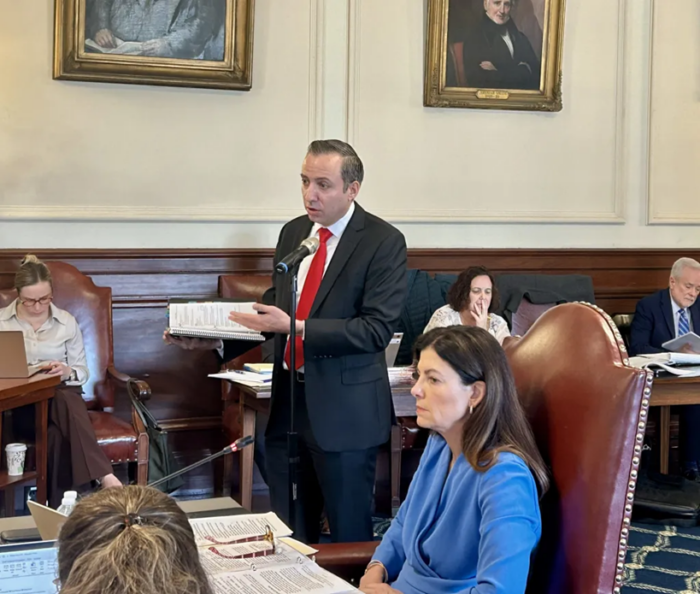
Nearly nine months after a controversial change to the Youth Development Center abuse claims process pushed the administrator from his job and stalled the proceedings for survivors, the fund now has a new leader.

With the permanent passage of the One Big Beautiful Bill Act this past summer, Opportunity Zones (OZ) are being reset, and with it, an opportunity for New Hampshire to shape what comes next. The question is whether we’re ready and whether municipalities, developers and state leaders are aligned to act.
April is National Child Abuse Prevention Month. New Hampshire Children’s Trust (NHCT), in collaboration with our national partner, Prevent Child Abuse America (PCAA), uses this month as an opportunity to spread awareness about ways to stop child abuse and neglect before it happens.