NASA veteran joins UNH to lead R&D
Ramy Rahimi is the new vice president for research and development at the University of New Hampshire.

Barry Bader
For a modern organization to be successful, it must transform into a digital workplace, with the ability to conduct business from anywhere, anytime, with anyone.
That means businesses must provide employees with technologies that allow them to stay connected to colleagues and customers while being productive, even while working remotely.
Business of all sizes can help ensure employees can work remotely without skipping a beat by augmenting these four common workplace technologies.
The internet
This is the big one, because just as an office needs strong internet service to support in-house employees, remote employees will need excellent service as well, with enough bandwidth to handle streaming connections for tasks like video conferencing.
The cloud
Employees need virtual access to the same information and tools they’d be able to access in a physical office. The solution here is the cloud, which hosts files, data and applications within a centralized server and makes them accessible from any device with connectivity. This means employees can work from anywhere on company-issued mobile devices, or their own devices.
Remember: Remote employees need virtual access to everything — not just a few applications or files. Businesses deploying a cloud strategy must provide employees with ways to share information, sync schedules, process important documents, and back everything up in real time — securely.
To be successful with both cloud and remote work, determine what tools and applications employees need to do their jobs and ensure that a cloud environment mimics the in-office experience.
The phone
It’s easy to forget about the humble telephone, but it’s still a key business tool, both inside and outside an office.
Look for a flexible phone system in which employees can use one phone number that switches seamlessly from a desk phone to a mobile device, allowing them to stay connected from wherever they are. One option for a company with remote employees is a VoIP (Voice over Internet Protocol) solution.
Collaboration tools
When all employees are in the same office, it’s easy to get together in a conference room or someone’s office to exchange ideas and present information — but when one employee, or everyone, is remote, getting together is not as simple. Collaboration platforms and unified communications systems are key for future workplaces.
For example, in addition to allowing participants to see each other as they speak, web conferencing systems offer tools to share slideshow presentations and documents, easily schedule or change meeting times, and record meetings and presentations for future viewing.
Another tool — group chat software — can make it seem like everyone is in the same room. They can also serve as a productivity tracker. Google or Microsoft Office both offer collaboration apps for chatting remotely and trading files.
As remote work becomes more common, it can introduce challenges when it comes to keeping employees connected, productive and engaged, but the right technologies make it a snap.
Barry Bader is vice president of Comcast Business for Comcast’s Greater Boston Region.

Ramy Rahimi is the new vice president for research and development at the University of New Hampshire.
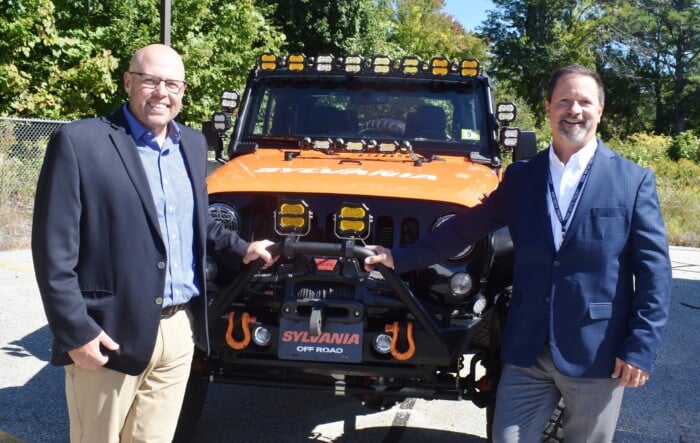
The Sylvania brand celebrated 125 years of bringing light into the world with a Sept. 24 event at its plant in Hillsborough. The plant on West Main Street, which produces automotive lighting products for original equipment manufacturers and the aftermarket, is the last major automotive aftermarket lighting plant in the country.
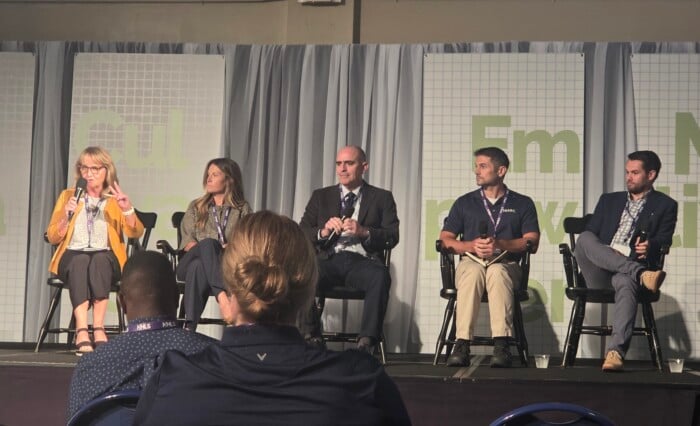
New Hampshire’s life sciences industry is expanding quickly, but the workers employers need range far beyond biomedical scientists — from manufacturing technicians and engineers to project managers, supply-chain specialists and finance professionals. At the Empower Life Sciences event hosted by…

The NH Tech Alliance is seeking applications from New Hampshire technology and life sciences companies for its 20th annual Product of the Year competition, which will showcase some of the state’s most innovative new products and significant product advancements.

The Honor Summit, a four-day commemoration of the 25th anniversary of the Sept.11, 2001, terrorist attacks, features dual towers of light designed to be visible from as far as 135 miles away from Mount Washington.
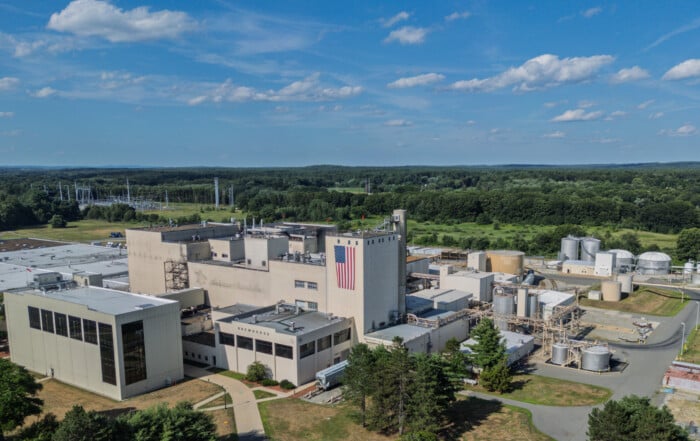
Biotechnology firm United Therapeutics Corporation has acquired the former Anheuser-Busch brewery site in Merrimack for $47 million, according to sources familiar with the matter. The transaction secures one of Southern New Hampshire’s largest industrial parcels, spanning nearly 300 acres off Daniel Webster Highway
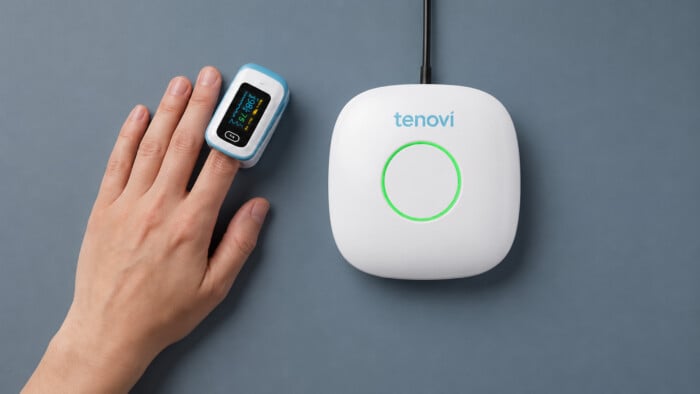
Becoming a top-ranked private company in the United States came as a bit of a surprise to the team at Tenovi, a Portsmouth-based developer of connected medical devices.

Artificial intelligence is transforming business at remarkable speed. Most discussions focus on productivity gains, cost savings or the jobs AI may eventually replace. Yet a more significant change is already underway — one that could reshape the future of nearly every profession.

Unapproved and unmonitored AI use is spreading inside businesses faster than leadership teams know, and it may be one of the biggest privacy and security blind spots companies have today.