Forum: ADUs, manufactured homes can help with NH housing crisis
But zoning, social stigma and costs can make it challenging
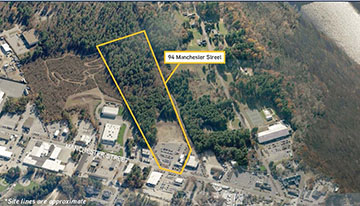
What’s being described as the last large auto site in Concord, at 94 Manchester St., has been purchased for $1.8 million by Key Auto Group. Seller was W&E Realty LLC.
According to Doug Martin of Colliers International, the 11-acre mixed-use lot was the last large auto sale site in Concord. He said the buyer plans to redevelop the site into a full-service Key Auto Group location, including relocating Key Collision of Concord to a new 20,000-square-foot facility on the site. The property adds to Key’s growing portfolio in New Hampshire, said Martin.
Martin, of Colliers’ Manchester office, represented the seller and assisted the buyer in the transaction.
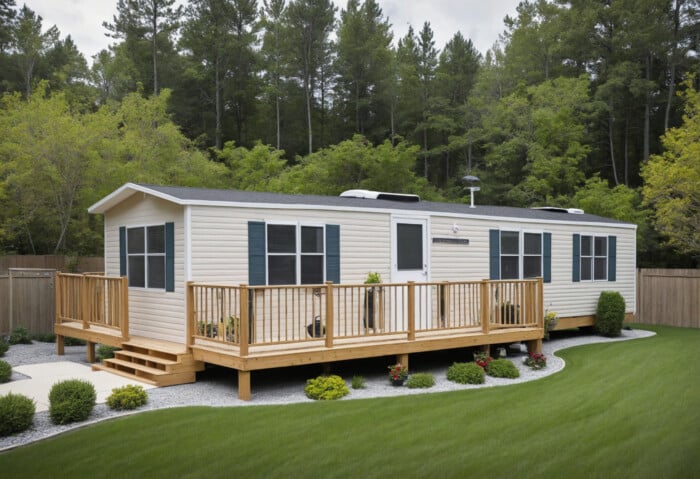
But zoning, social stigma and costs can make it challenging
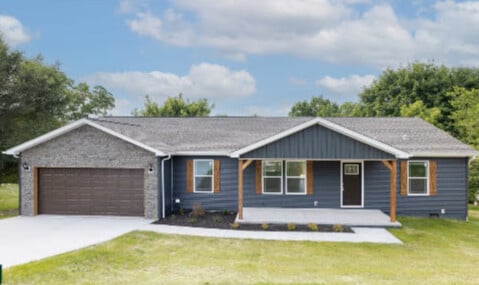
Single-family and condominium alternatives, such as manufactured homes and accessory dwellings units (ADUs), could go a long way toward helping ease New Hampshire’s housing crisis. But those options can have some obstacles, according to participants in a forum.
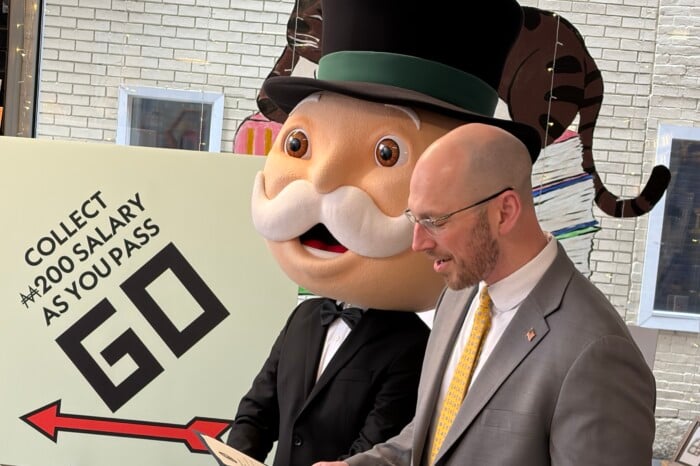
Efforts are underway in Manchester to fashion a version of the iconic board game "Monopoly" into a Who's Who and What's What of New Hampshire's largest city.
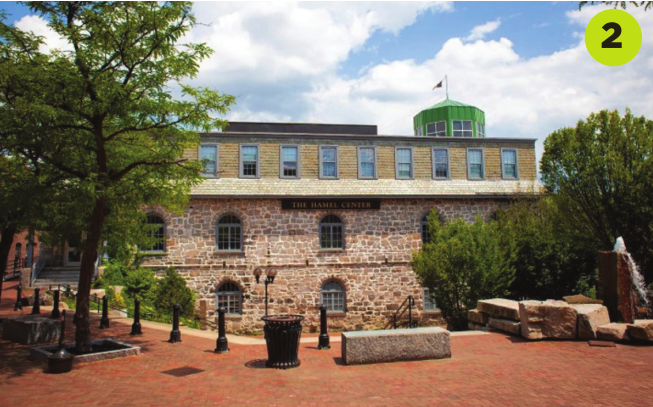
Business and event happenings around the state of NH

The Latest is a roundup of the comings and goings of the movers and shakers in NH's business community

Rising demand, transmission constraints, and the push for regional solutions

The Rugg family and the Town of Exeter have settled their long running land dispute, clearing the way for a developer to proceed with a housing development to be built on the Exeter-Newfields town line.

For nearly six decades, Paul Young has been a constant, if often understated, presence in public and government affairs, both in New Hampshire and beyond. Since founding Novus Public Affairs in 1996, Young has helped shape how businesses, nonprofits and political leaders communicate and connect with the world around them, leaving a mark on the state that is hard to measure but easy to feel.
When Emerson McCourt passed away in 2006, he left behind an extensive tool collection, meticulous instructions and a commitment to Great Bay Community College (GBCC) students that continues today.